
Understanding menopause care
Menopause marks the end of menstrual periods, usually between the ages of 45 and 55. In the years around it, many women experience hot flushes, night sweats, sleep problems, mood changes, joint aches and vaginal dryness.
Ayurveda sees Rajonivritti as a natural transition from the Pitta stage of life to the Vata stage. Symptoms are understood as signs that this transition is unsettled, with Vata causing dryness, anxiety and sleeplessness, and Pitta causing heat and irritability.
Our care aims to ease this transition with calming, nourishing therapies, diet and routine. It is supportive and complements your gynaecologist's care, including any hormone therapy or bone-health advice.
What people notice
- Hot flushes and night sweats
- Difficulty sleeping
- Mood swings, anxiety or low mood
- Joint aches and stiffness
- Dry skin and vaginal dryness
- Reduced concentration and fatigue
- Irregular periods during perimenopause
The Ayurvedic view
- Natural decline in ovarian hormones
- The Ayurvedic transition into the Vata stage of life
- Stress, irregular routine and lack of sleep
- Spicy, sour and heating foods, which may aggravate hot flushes
- Lack of exercise and weight changes
How we treat it at Athry
Assessment
Review of symptoms, menstrual and medical history, bone and heart health, Nadi Pariksha and Prakriti assessment.
Preparation
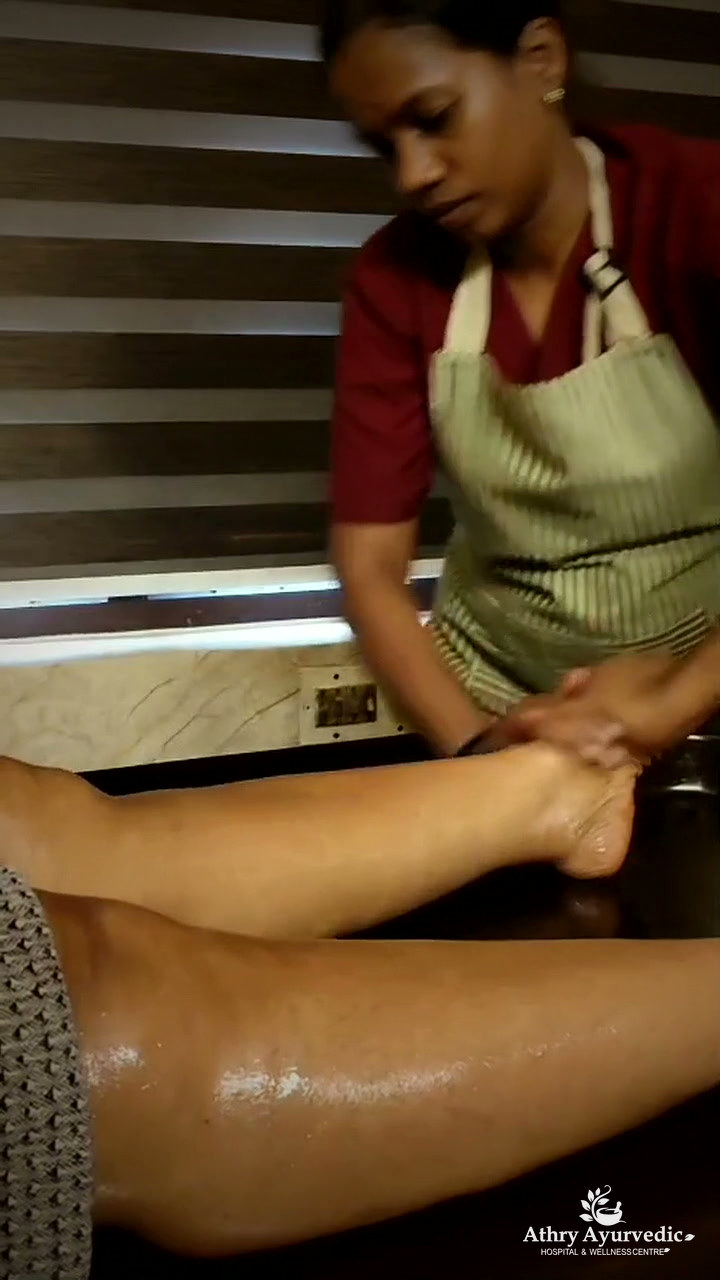
Daily Abhyanga with nourishing oils and regulation of diet, sleep and bowel habits.
Core therapies
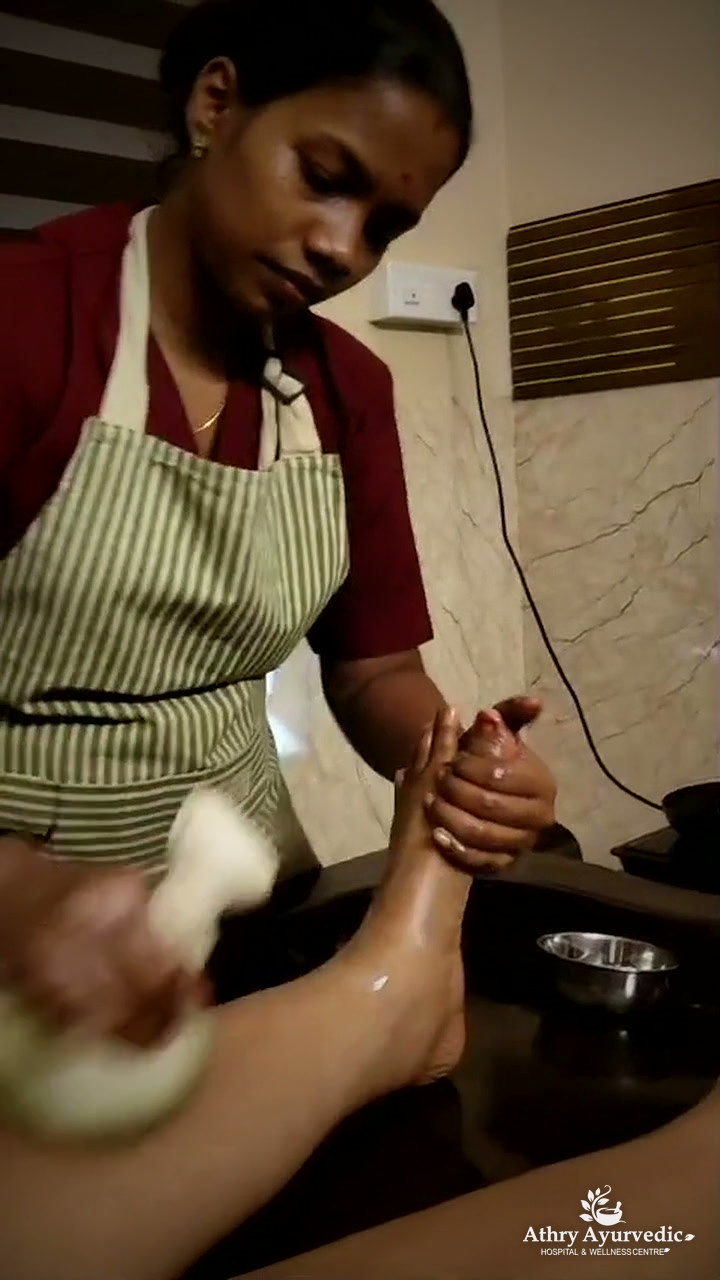
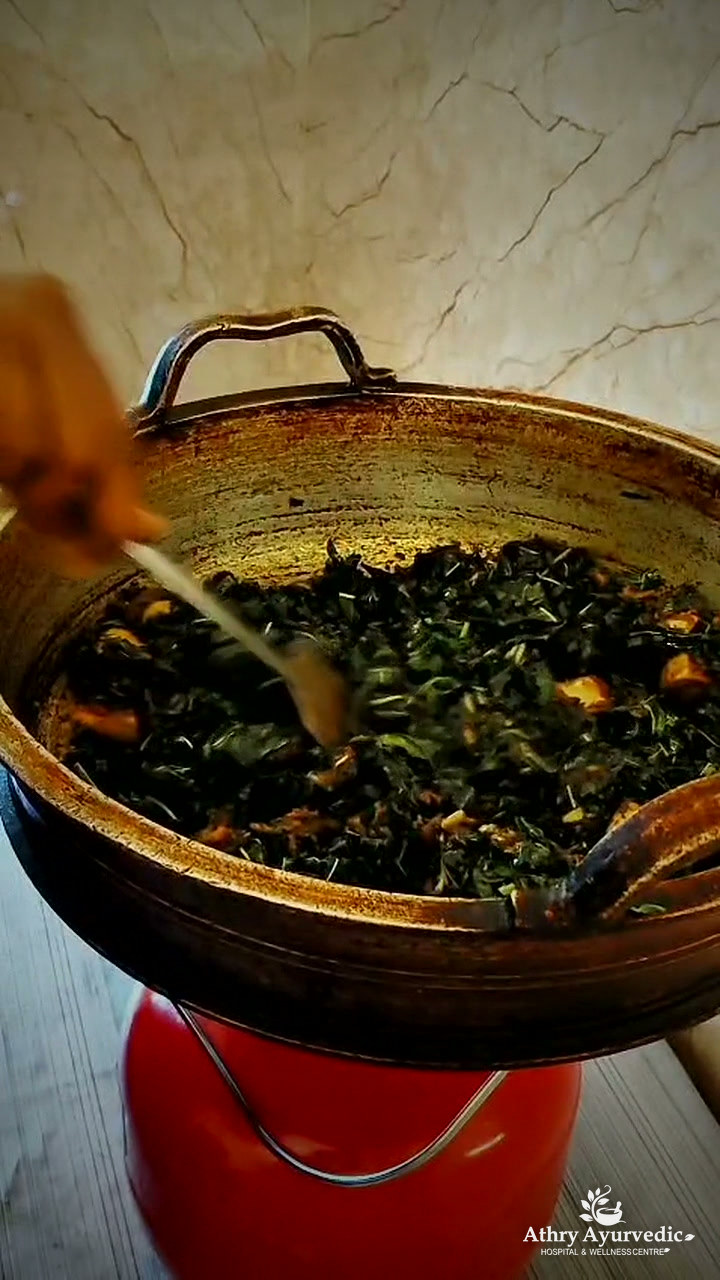
Shirodhara or Takradhara to calm the mind and support sleep, Njavarakizhi for joint aches and dryness, and Vasti after physician assessment where Vata is prominent.
Rasayana & aftercare
Rasayana medicines such as Shatavari-based preparations, a calming daily routine, weight-bearing exercise and dietary guidance.
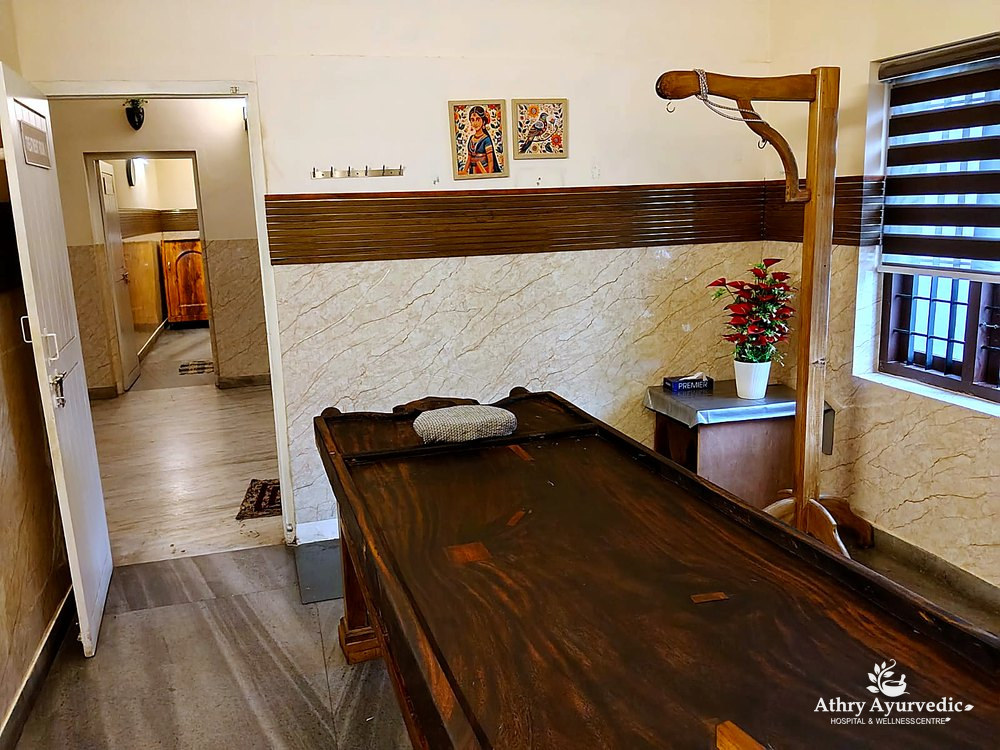
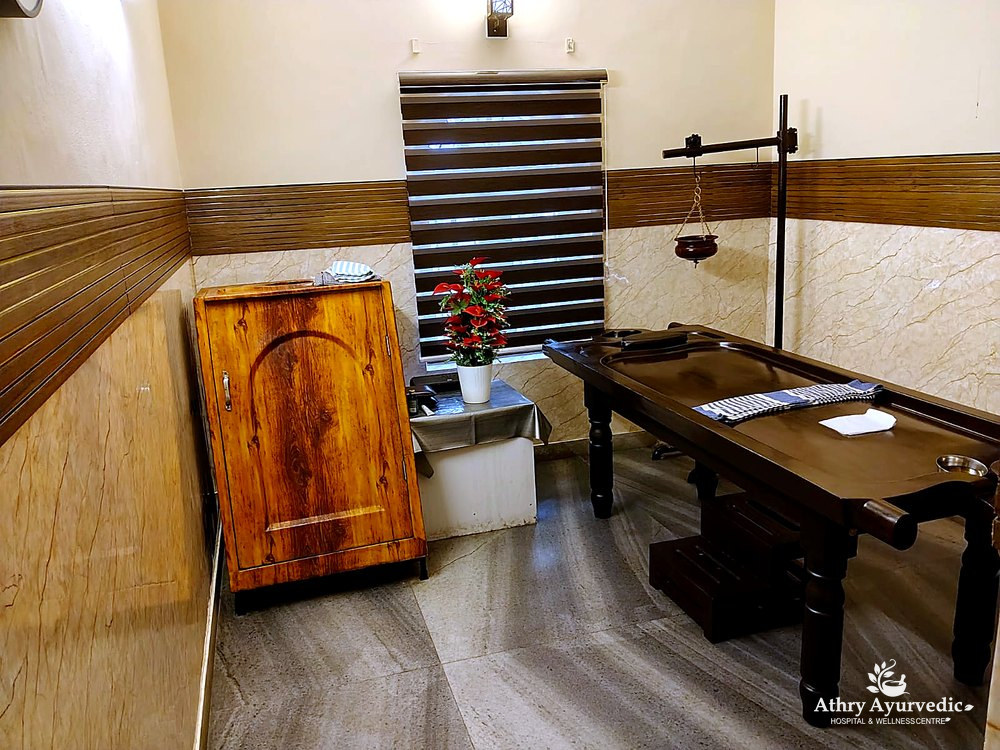
Classical procedures in this plan
What it may help with
- May help ease hot flushes and night sweats
- Supports restful sleep and emotional balance
- Aims to reduce joint aches and dryness
- Supports energy and wellbeing through the transition
- Encourages habits that support long-term bone and heart health
Diet & lifestyle guidance
- Favour cooling, nourishing foods such as milk, ghee, rice, ash gourd and seasonal fruit
- Reduce very spicy, sour, salty and fermented foods, alcohol and excess caffeine
- Include calcium-rich foods such as sesame, ragi and milk
- Do weight-bearing exercise such as walking and yoga regularly
- Keep a regular sleep routine and a cool, calm bedroom
Frequently asked
Can I take Ayurvedic treatment alongside hormone therapy?
Is menopause a disease?
Should I still see my gynaecologist?
Products often used alongside care
Please take classical medicines only on a physician’s advice.
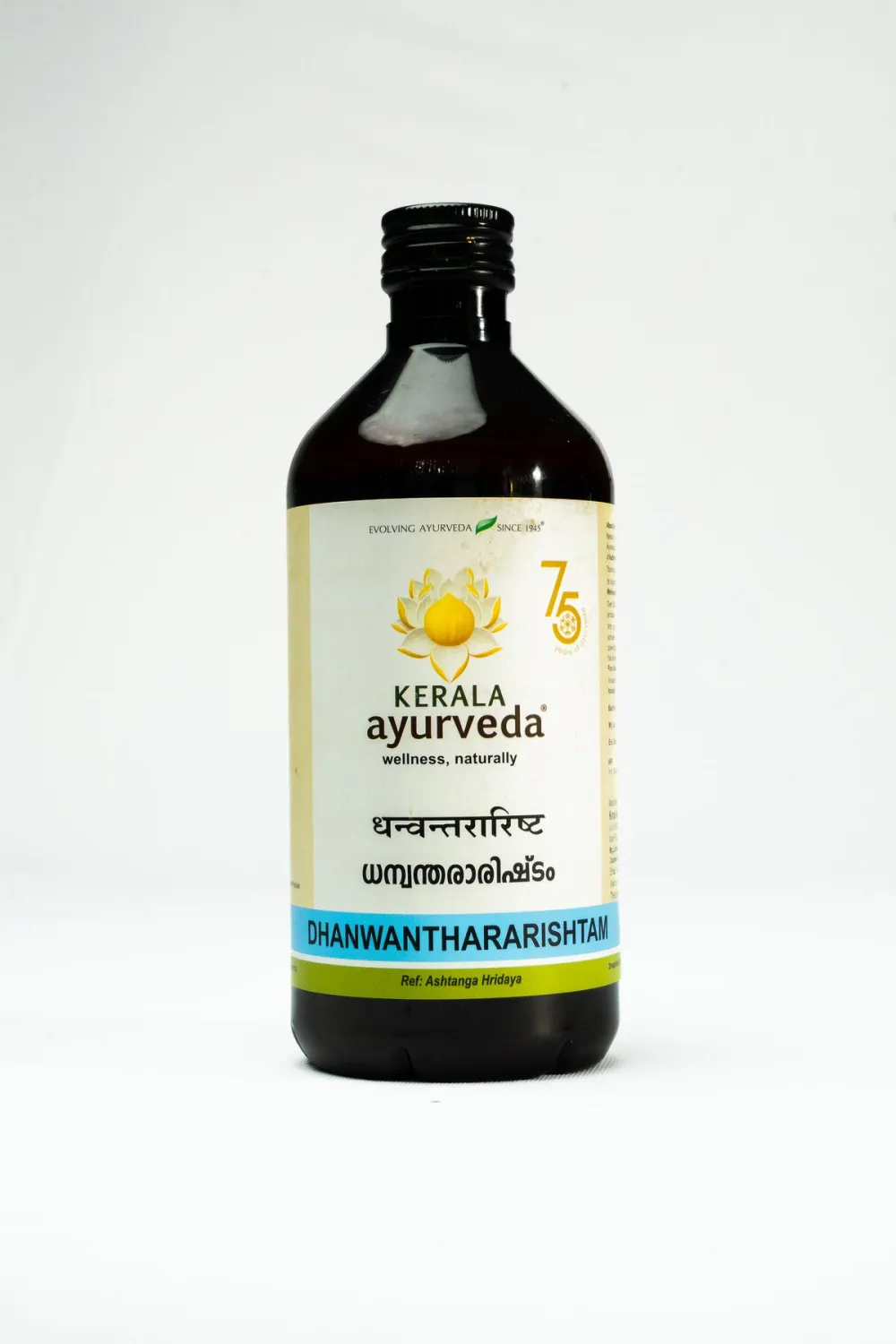
Classical arishtam supporting muscle and nerve strength and postnatal care
2 sizes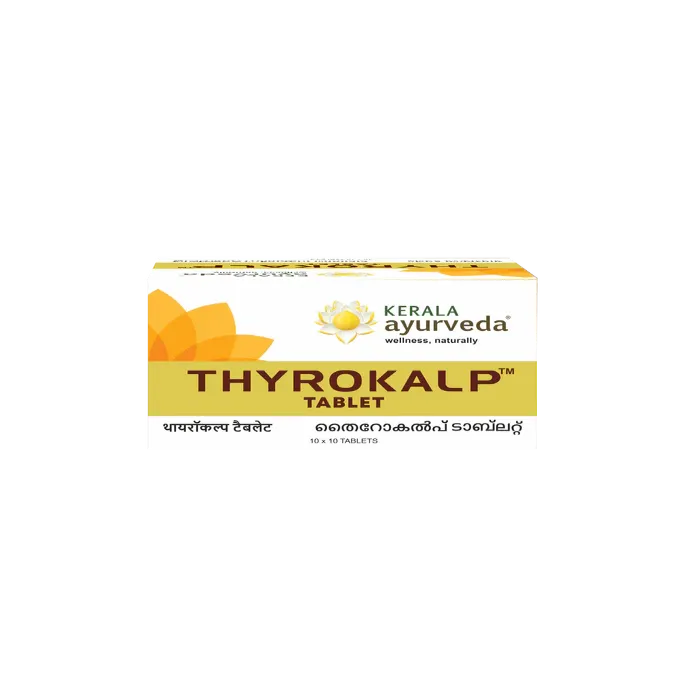
Herbal tablet that supports healthy thyroid function and metabolic balance
2 sizes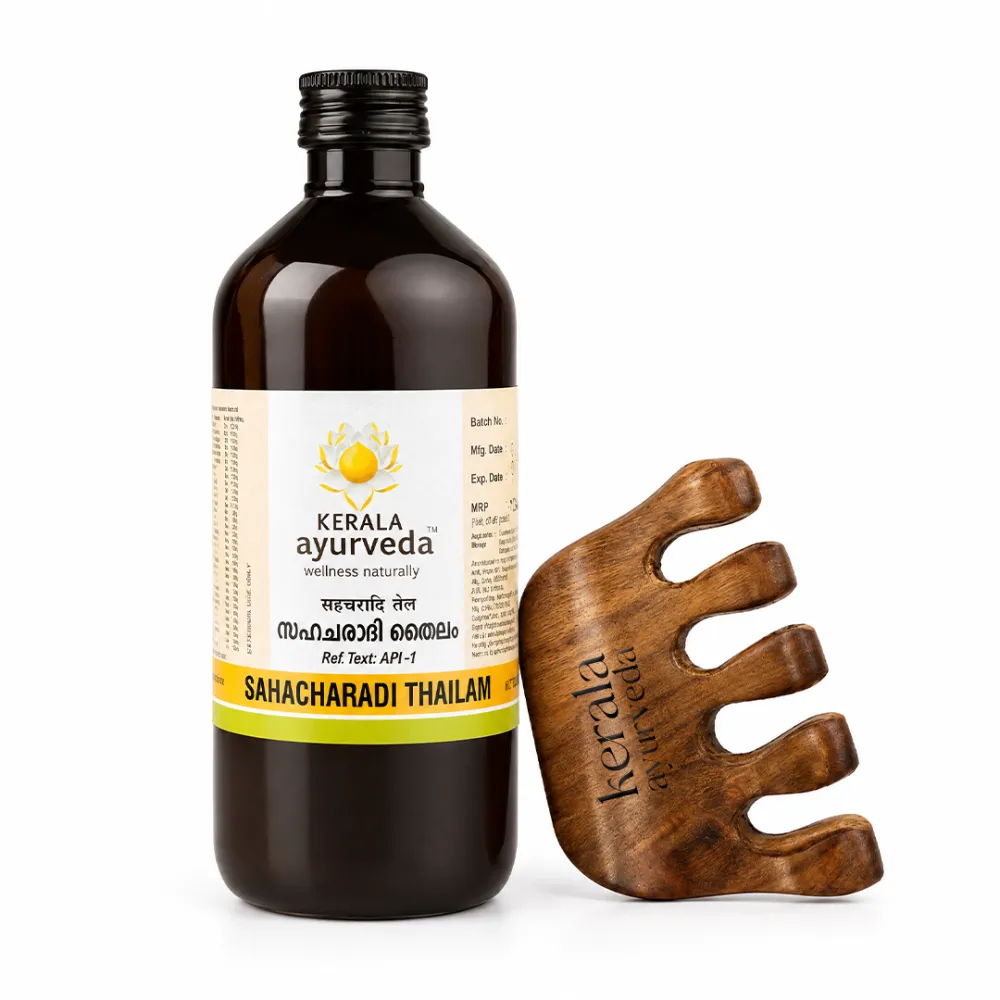
Classical herbal oil for back comfort, easing stiffness and lower-back strength
2 sizes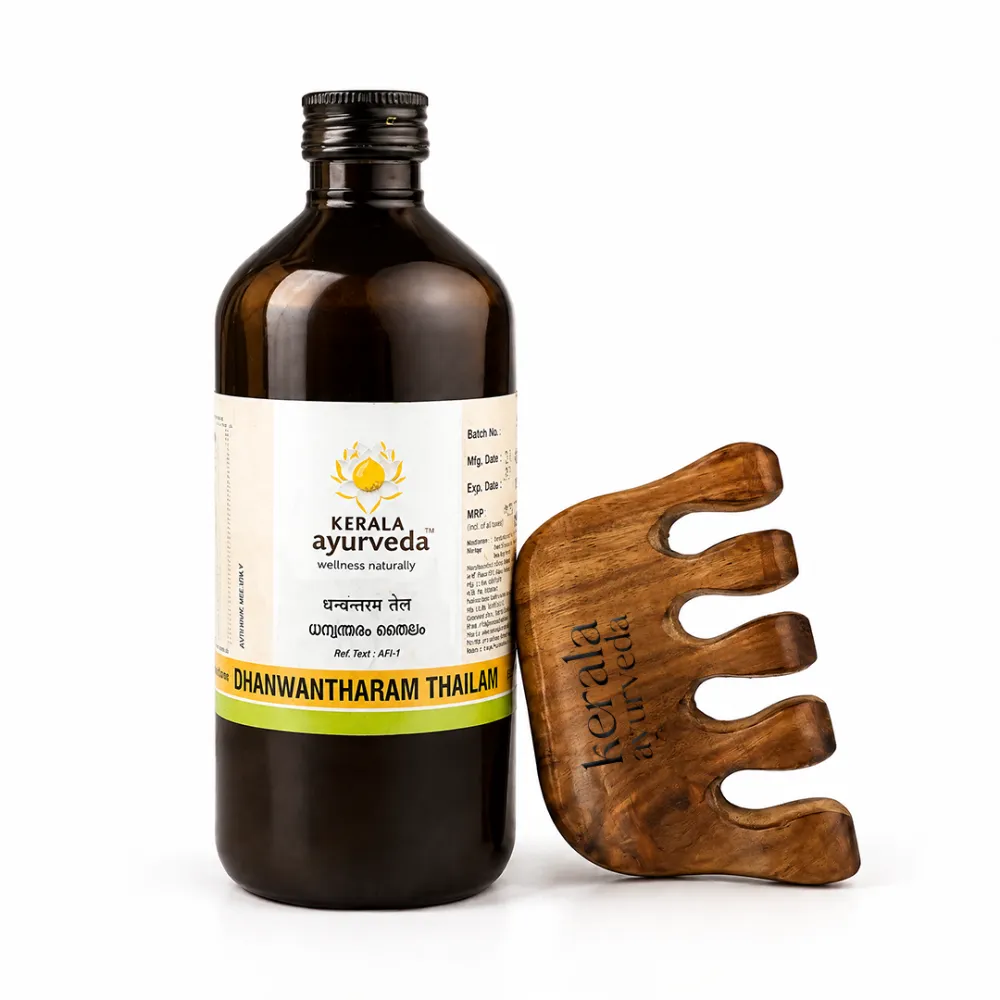
Classical massage oil for pregnancy and postnatal care and muscle strength
2 sizesPlease note: The information on this website is for general education and reflects the traditional understanding of Kerala Ayurveda. It is not a diagnosis, a prescription or a promise of any particular result. Every treatment at Athry Ayurvedic Hospital & Wellness Centre is planned individually after an in-person consultation with a qualified Ayurvedic physician (BAMS), and outcomes vary from person to person. Please continue any medicines prescribed by your doctor unless they advise otherwise. Ayurvedic care is not a substitute for emergency, surgical or specialist medical care; if you have a medical emergency, contact your nearest hospital immediately.