
Understanding osteoarthritis & knee pain
Osteoarthritis is the gradual wear of the cartilage that cushions the ends of the bones. It most often affects the knees, hips, hands and spine, and usually develops after the age of forty or after an old injury. Pain on climbing stairs, stiffness after rest and a grating sound in the knee are typical early signs.
Ayurveda describes this condition as Sandhigata Vata, Vata lodged in the joints. With age, and with dry, cold or irregular habits, Vata increases and depletes Shleshaka Kapha, the lubricating fluid of the joints. The result is dryness, reduced cushioning, pain and creaking.
Treatment therefore focuses on calming Vata and nourishing the joint tissues with warm, unctuous therapies and medicines, while keeping the joint moving within comfortable limits.
What people notice
- Pain in the knee or other joints that worsens with walking, climbing stairs or squatting
- Morning stiffness that eases within about half an hour
- A crackling or grating sound (crepitus) on movement
- Swelling around the joint after activity
- Reduced range of movement and difficulty sitting cross-legged
- A feeling of weakness or instability in the knee
The Ayurvedic view
- Natural ageing, when Vata dosha becomes dominant in the body
- Excess body weight placing extra load on weight-bearing joints
- Old injuries, repetitive strain or prolonged standing
- A dry, cold, light or irregular diet and late nights, which aggravate Vata
- Lack of regular, gentle exercise leading to weak supporting muscles
How we treat it at Athry
Assessment
Your physician takes a full history, performs Nadi Pariksha and assesses your Prakriti (constitution), examines the joint and reviews any X-rays. Together you agree realistic goals for pain, walking and daily activity.
Preparation
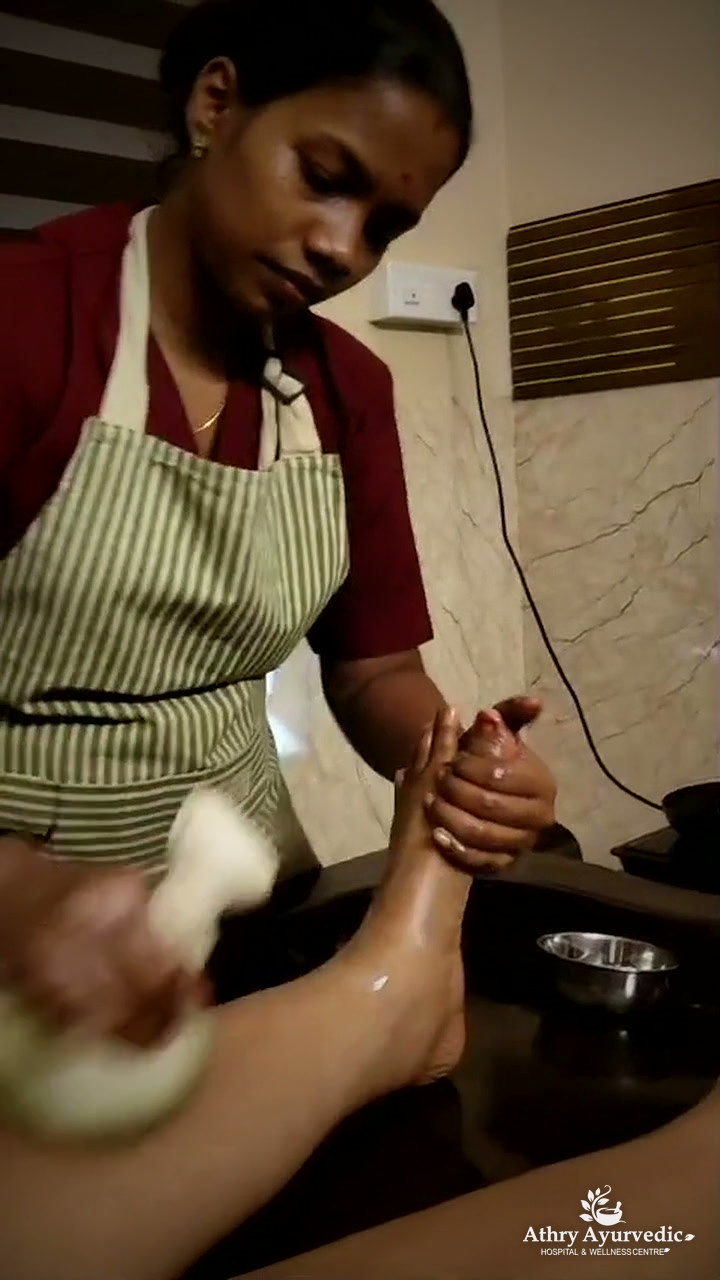
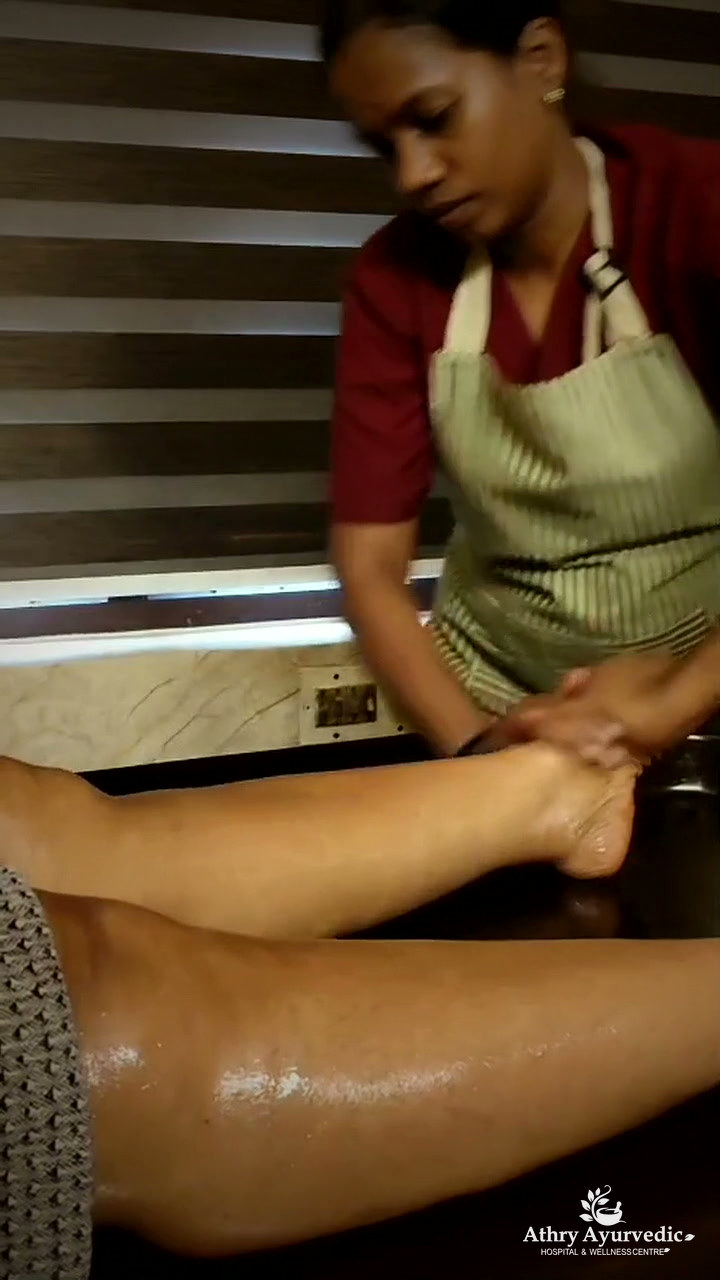
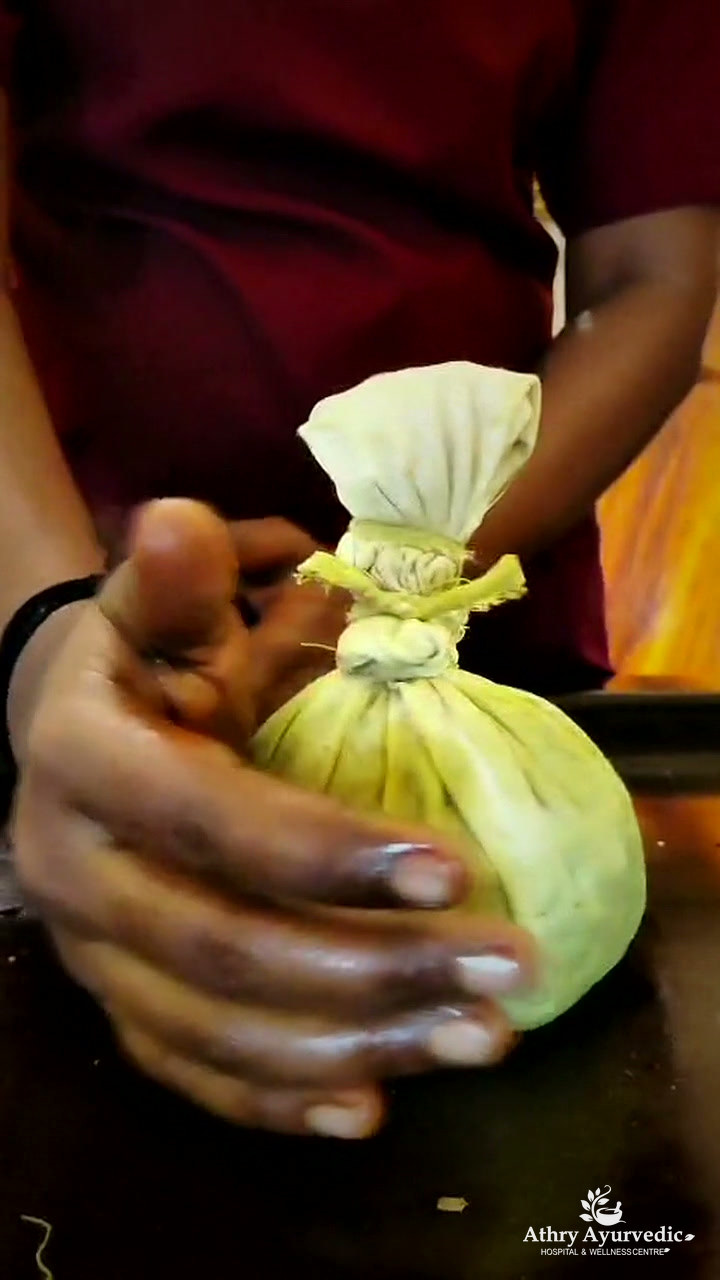
Digestion is kindled with mild herbal preparations, and Abhyanga with a Vata-pacifying Thailam prepares the tissues. If Ama or swelling is present, dry therapies such as Podikizhi may be used first.
Core therapies
Janu Vasti pools warm medicated oil over the knee, followed by Elakizhi or Njavarakizhi to nourish muscles and joints. A course of Matra Vasti or Anuvasana Vasti may be advised after physician assessment, as Vasti is considered the principal therapy for Vata.
Rasayana & aftercare
Internal medicines such as Kashayams and joint-supporting Rasayanas are continued at home, with guidance on weight, footwear, strengthening exercises and an oil routine for the joints.
Classical procedures in this plan
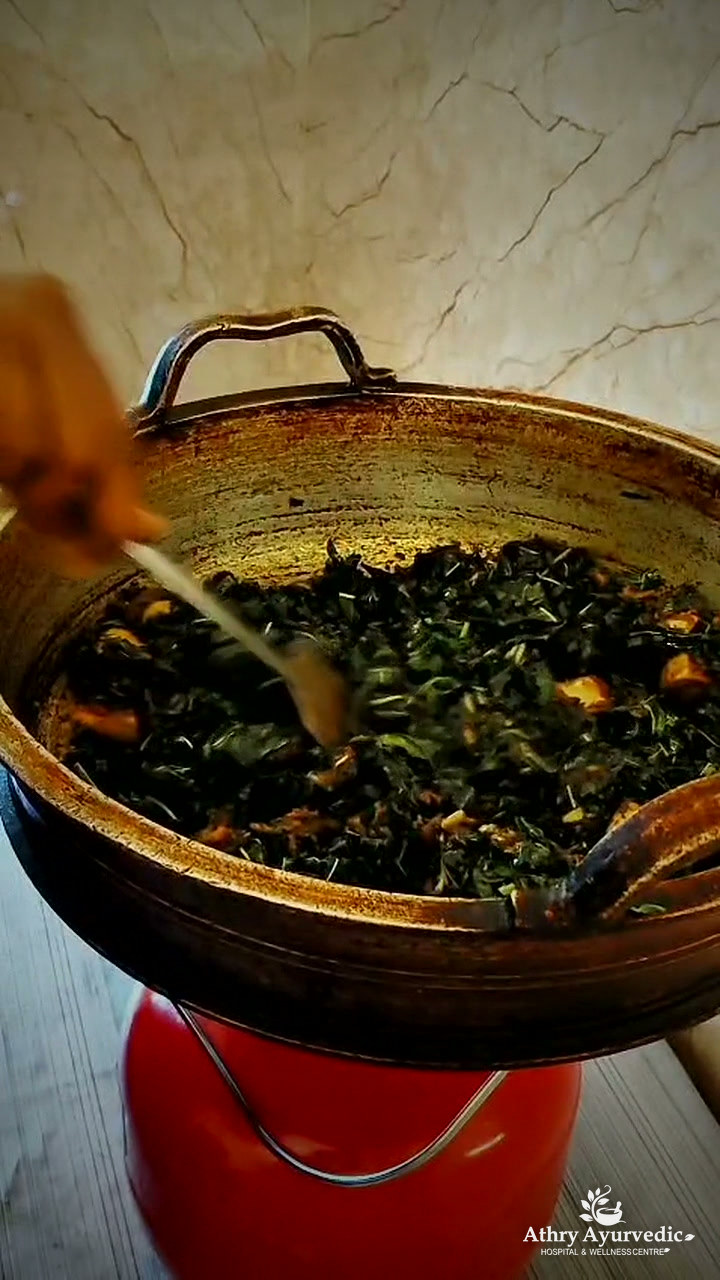
What it may help with
- May help reduce knee pain and morning stiffness
- Supports easier walking and climbing of stairs
- Nourishes the muscles and soft tissues around the joint
- Aims to slow the cycle of pain, inactivity and weakness
- Encourages a sustainable home routine for joint care
Diet & lifestyle guidance
- Favour warm, freshly cooked meals with a little ghee or sesame oil
- Include soups, cooked vegetables, moong dal, and spices such as dry ginger and turmeric
- Reduce cold, dry, stale and deep-fried foods, and limit raw salads in cold weather
- Keep a regular sleep schedule and avoid exposure to cold wind and air-conditioning on the joints
- Walk on level ground and do gentle strengthening exercises as advised
Frequently asked
Can Ayurveda help me avoid knee replacement surgery?
Will I need to stay at the hospital?
Is Janu Vasti painful?
Products often used alongside care
Please take classical medicines only on a physician’s advice.
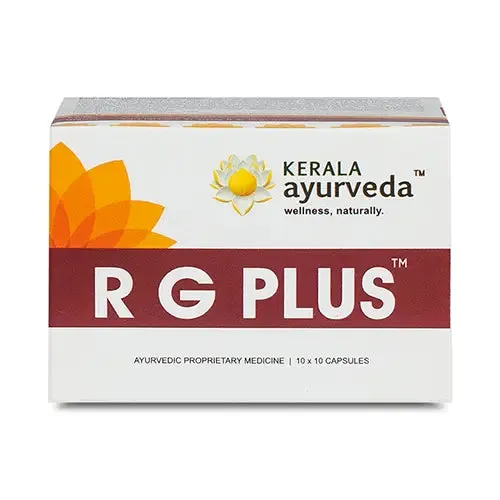
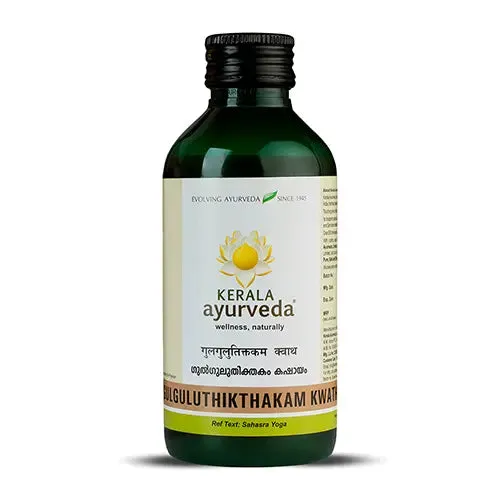
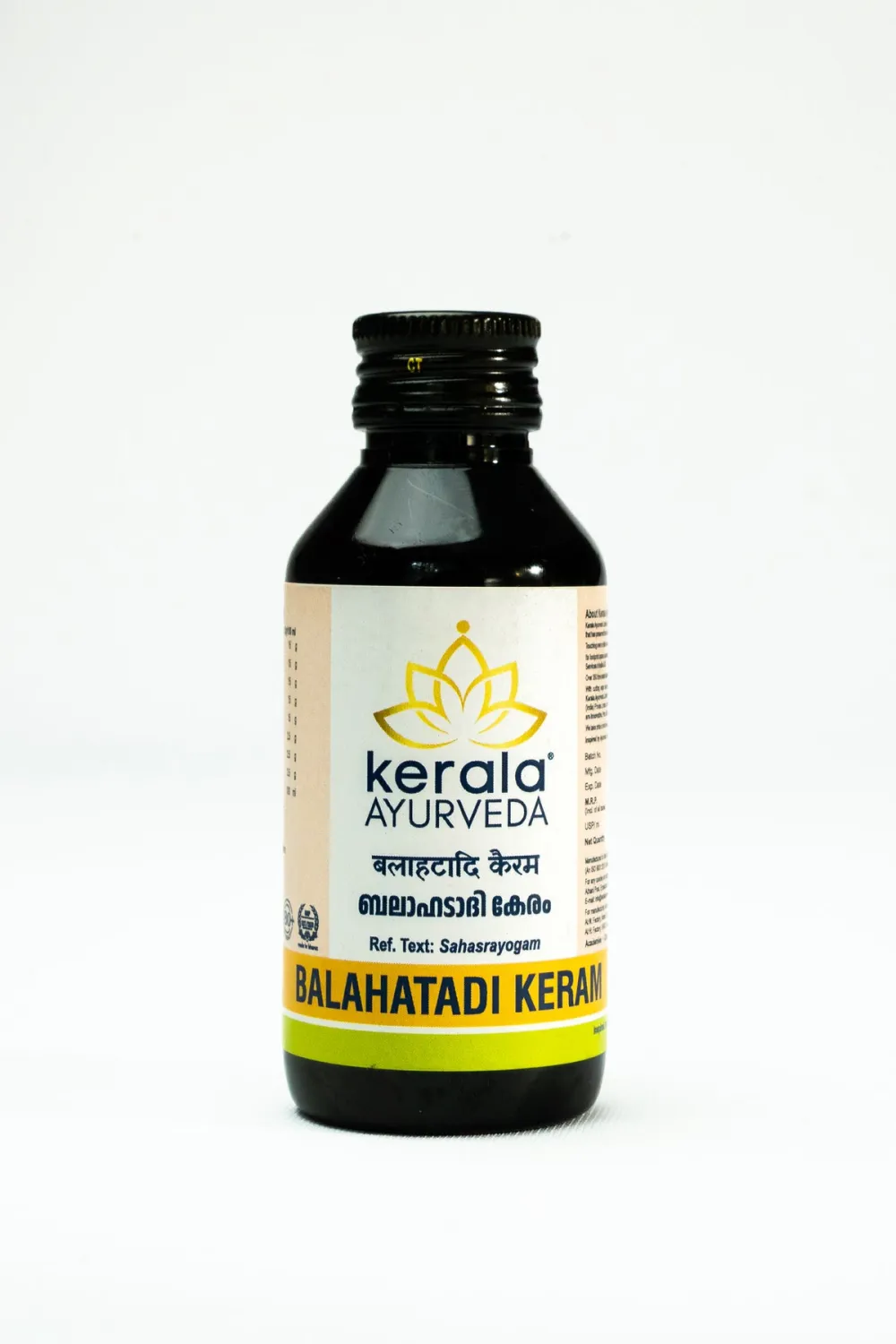
Calming coconut-oil keram for head and neck care, tension relief and restful sleep
2 sizes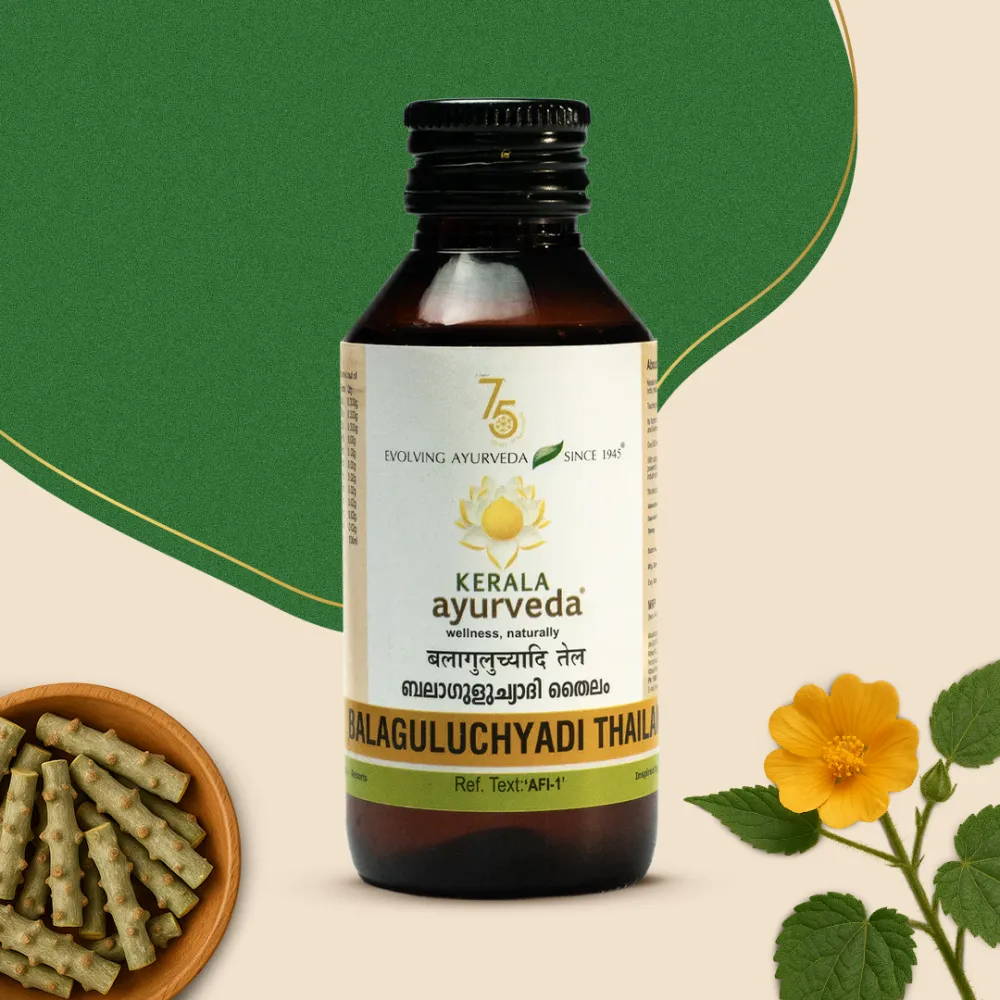
Classical herbal oil traditionally used for joint and musculoskeletal comfort
2 sizesPlease note: The information on this website is for general education and reflects the traditional understanding of Kerala Ayurveda. It is not a diagnosis, a prescription or a promise of any particular result. Every treatment at Athry Ayurvedic Hospital & Wellness Centre is planned individually after an in-person consultation with a qualified Ayurvedic physician (BAMS), and outcomes vary from person to person. Please continue any medicines prescribed by your doctor unless they advise otherwise. Ayurvedic care is not a substitute for emergency, surgical or specialist medical care; if you have a medical emergency, contact your nearest hospital immediately.