Understanding sciatica
Sciatica is pain that travels from the lower back or buttock down the back of the leg, along the path of the sciatic nerve. It is commonly caused by a bulging disc or narrowing in the lower spine pressing on the nerve roots, and may be accompanied by tingling, numbness or weakness.
Classical Ayurveda describes Gridhrasi, named after the vulture (gridhra) because the affected person may walk with a stiff, altered gait. It is primarily a Vata condition; when Kapha is also involved there is additional heaviness, drowsiness and loss of appetite.
Treatment aims to calm Vata, relieve pressure and inflammation around the nerve and nourish the tissues of the lower back and leg, with careful attention to posture and movement.
What people notice
- Pain radiating from the lower back or buttock down the back of the thigh and leg
- Tingling, pricking or numbness in the leg or foot
- Pain that increases on sitting, coughing or bending forward
- Stiffness and difficulty walking normally
- Weakness in the leg in some cases
- Heaviness and low appetite when Kapha is involved
The Ayurvedic view
- Disc bulge or degeneration in the lower spine
- Lifting heavy loads with poor technique, or sudden twisting
- Long hours of sitting or driving
- Excess body weight and weak core muscles
- Vata-aggravating diet and lifestyle, including dry, cold food and irregular sleep
How we treat it at Athry
Assessment
History, neurological examination, Nadi Pariksha, Prakriti assessment and review of MRI reports. Red-flag signs such as loss of bladder or bowel control or rapidly increasing weakness are referred for urgent specialist care.
Preparation
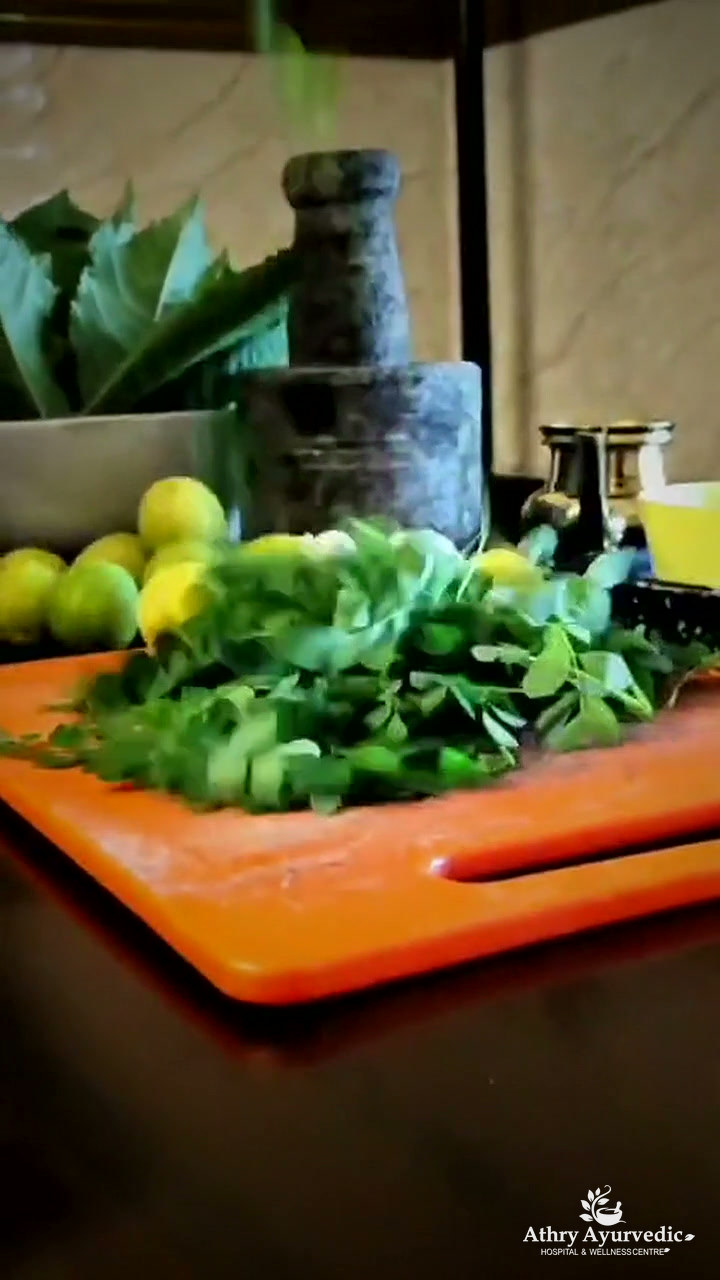
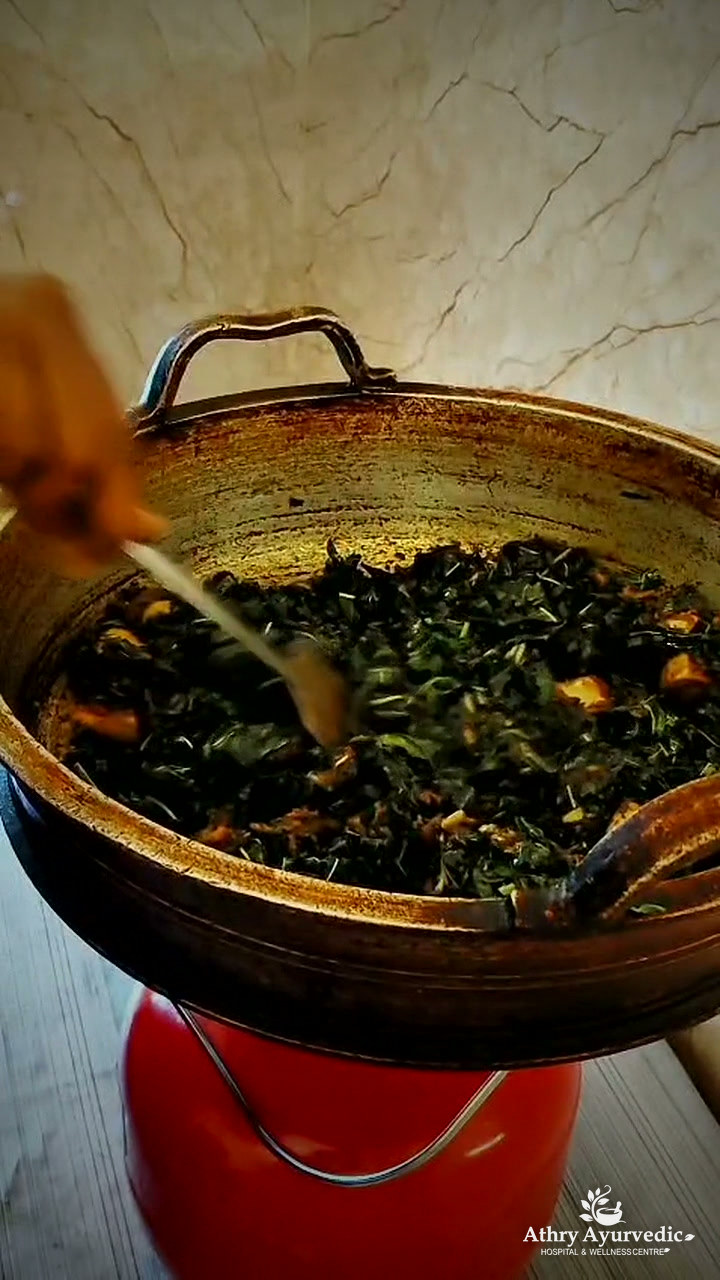
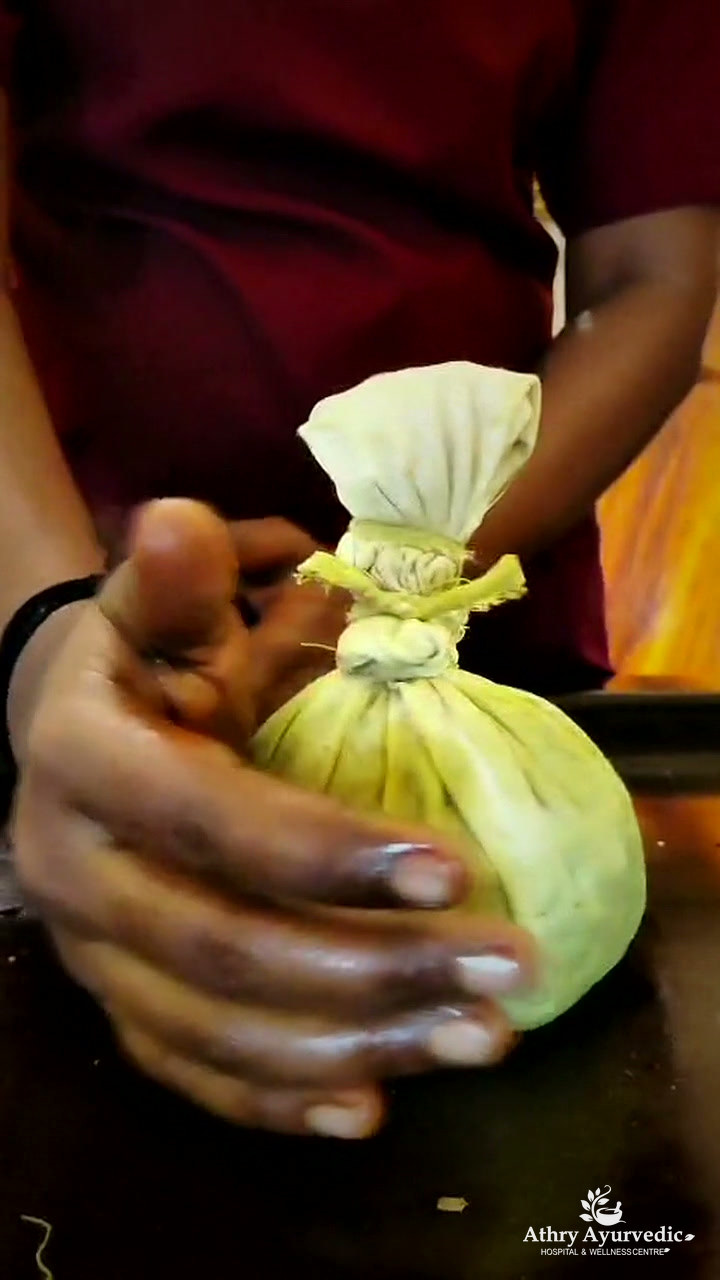
Digestion is supported and, if heaviness is present, Podikizhi or other dry therapies are used. Abhyanga prepares the tissues.
Core therapies
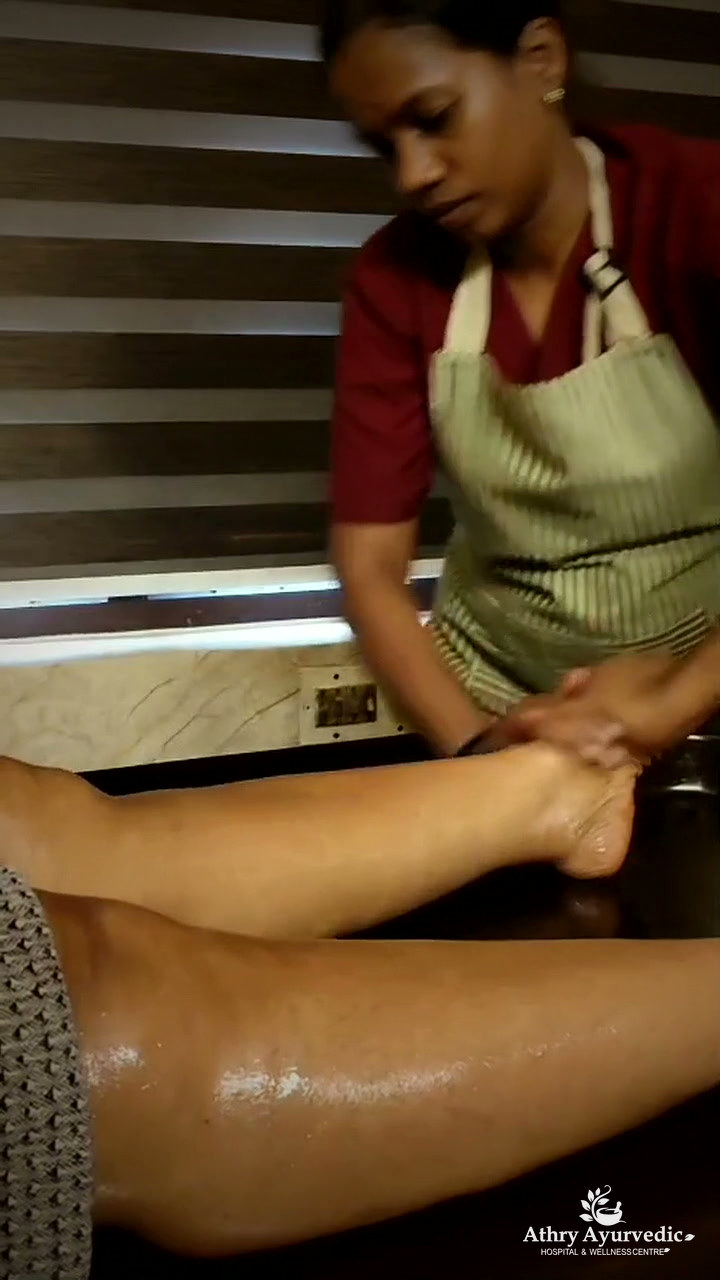
Kati Vasti over the lower back, Elakizhi over the back and affected leg, and a course of Vasti after physician assessment. Medicated oils and Kashayams are prescribed internally.
Rasayana & aftercare
Internal medicines continue at home, with gradually progressed exercises, sitting and lifting advice, and follow-up reviews.
Classical procedures in this plan
What it may help with
- May help ease radiating leg pain and tingling
- Supports walking and sitting with greater comfort
- Aims to reduce muscle spasm in the back and leg
- Traditionally used to nourish and strengthen nerve tissue
- Teaches habits that may help prevent recurrence
Diet & lifestyle guidance
- Favour warm, cooked meals with ghee; include moong dal, rice and cooked vegetables
- Avoid cold, dry, fried and stale food and excess pulses that cause gas
- Keep bowels regular; constipation tends to aggravate Vata
- Avoid long sitting, two-wheeler travel and lifting during treatment
- Rest in a comfortable position with gentle walking as advised
Frequently asked
Is Ayurvedic treatment an alternative to spine surgery?
Why is Vasti important for sciatica?
How soon can I return to work?
Products often used alongside care
Please take classical medicines only on a physician’s advice.
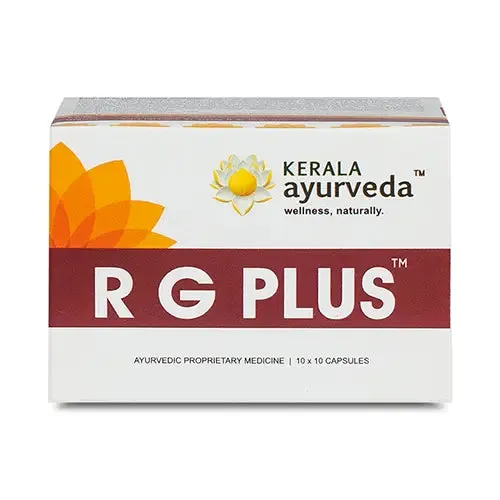
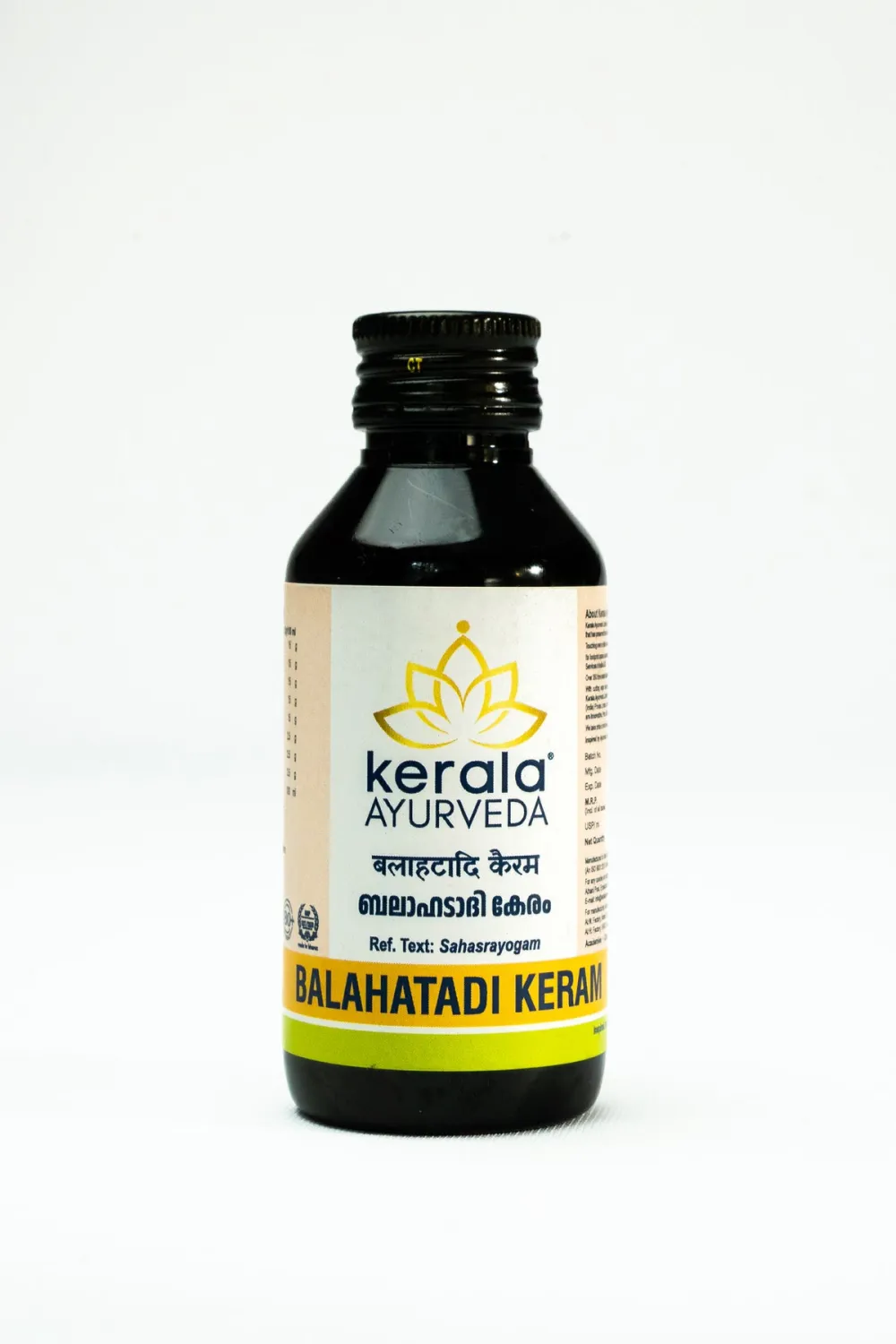
Calming coconut-oil keram for head and neck care, tension relief and restful sleep
2 sizes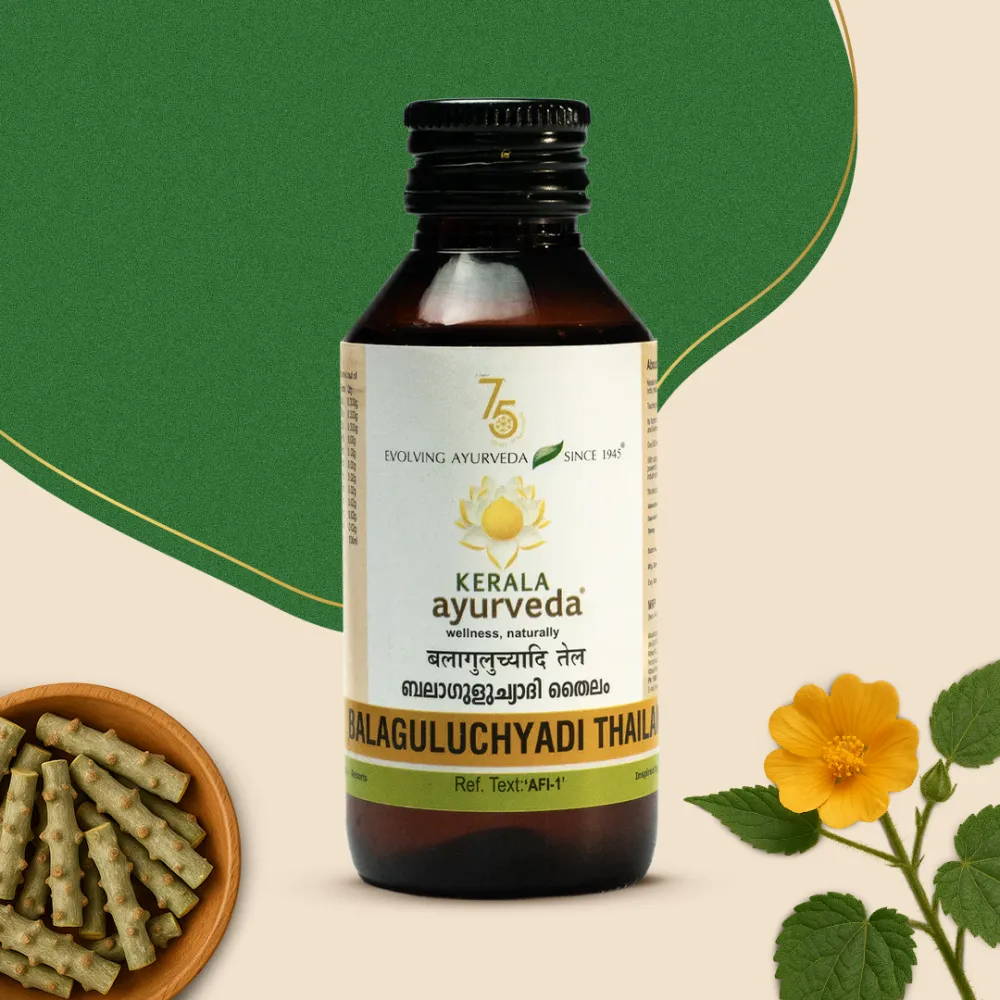
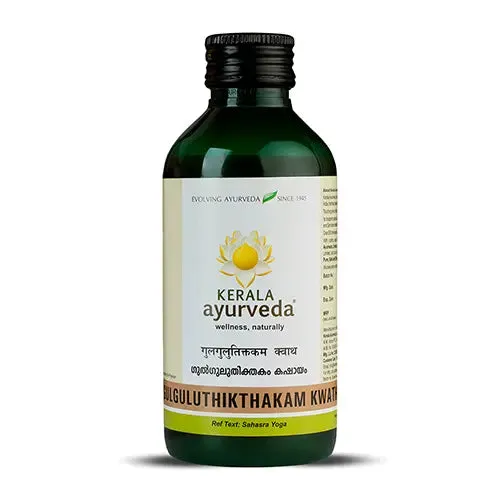
Classical herbal oil traditionally used for joint and musculoskeletal comfort
2 sizesPlease note: The information on this website is for general education and reflects the traditional understanding of Kerala Ayurveda. It is not a diagnosis, a prescription or a promise of any particular result. Every treatment at Athry Ayurvedic Hospital & Wellness Centre is planned individually after an in-person consultation with a qualified Ayurvedic physician (BAMS), and outcomes vary from person to person. Please continue any medicines prescribed by your doctor unless they advise otherwise. Ayurvedic care is not a substitute for emergency, surgical or specialist medical care; if you have a medical emergency, contact your nearest hospital immediately.