Understanding facial palsy (bell's palsy)
Facial palsy is weakness of the muscles on one side of the face, most commonly Bell's palsy, which comes on suddenly and is thought to be related to inflammation of the facial nerve. People may notice drooping of the mouth, difficulty closing one eye, and changes in taste or sensitivity to sound.
Ayurveda describes this as Ardita, a Vata disorder affecting the face, head and neck. Exposure to cold wind, excessive talking or straining, and depletion are among the traditional causes, and the condition is treated with warm, nourishing therapies for the head and face.
Because sudden facial weakness can also be a sign of stroke, it should always first be assessed by a doctor. Our care is complementary to that assessment and any medicines prescribed.
What people notice
- Drooping of the mouth or face on one side
- Difficulty closing one eye fully, with watering or dryness
- Inability to wrinkle the forehead or smile evenly
- Food collecting in the cheek, or drooling
- Altered taste on one side of the tongue
- Pain behind the ear or sensitivity to loud sounds
The Ayurvedic view
- Viral infection and inflammation of the facial nerve
- Exposure to cold wind, for example riding without a helmet or sleeping facing a fan
- Physical or emotional exhaustion and lack of sleep
- Vata aggravation through irregular routine, fasting and stress
- Reduced immunity after illness
How we treat it at Athry
Assessment
Confirmation that you have had medical evaluation, facial nerve examination, Nadi Pariksha and Prakriti assessment, and review of any medicines started by your doctor.
Preparation
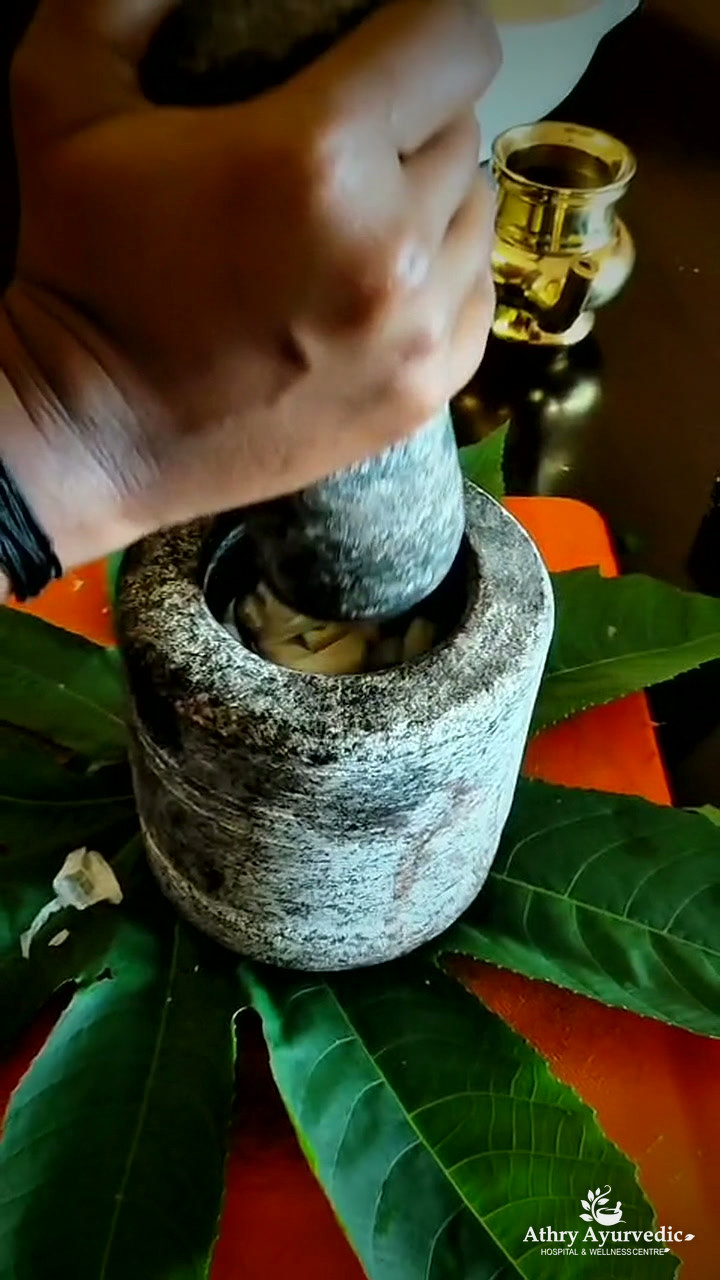
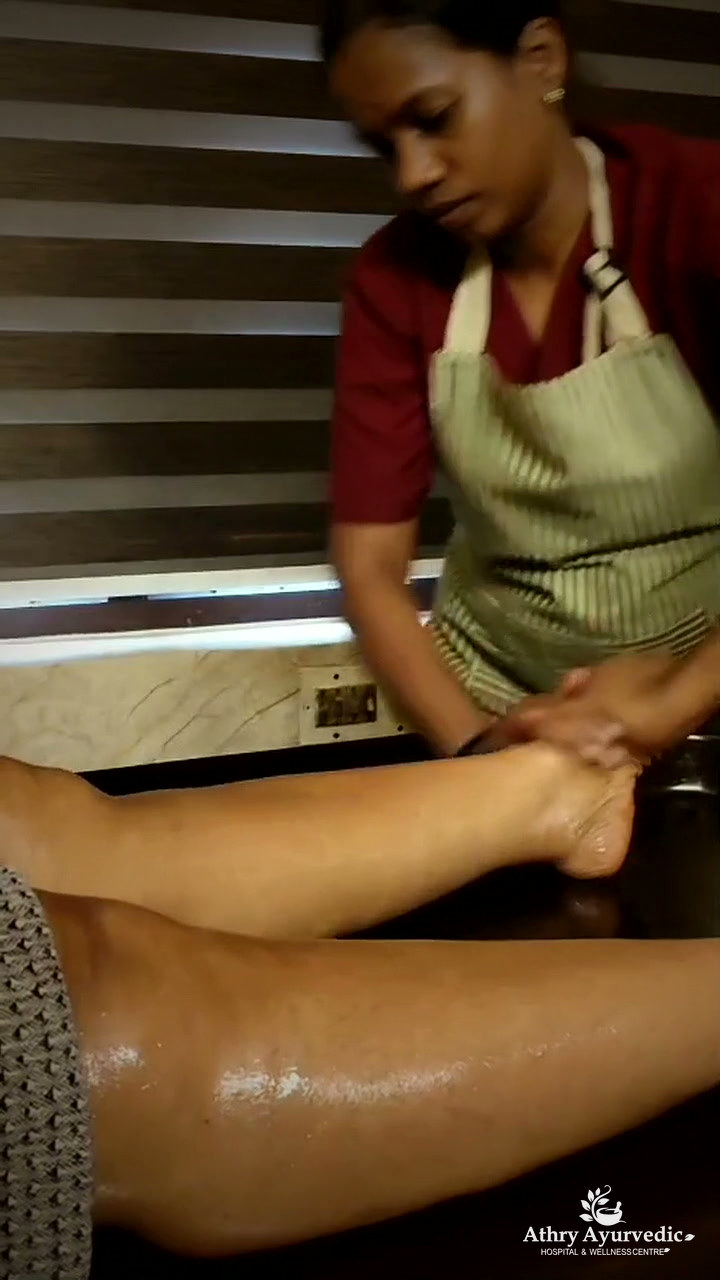
Gentle Abhyanga of the face, head and neck with a suitable Thailam, and mild steam to the face.
Core therapies
Nasya after physician assessment, local Elakizhi or Njavarakizhi to the face and neck, Shirodhara where helpful, and Netra Tarpanam if the eye is dry. Facial exercises are taught daily.
Rasayana & aftercare
Internal medicines, eye protection, continued facial exercises and advice to avoid cold exposure while recovering.
Classical procedures in this plan
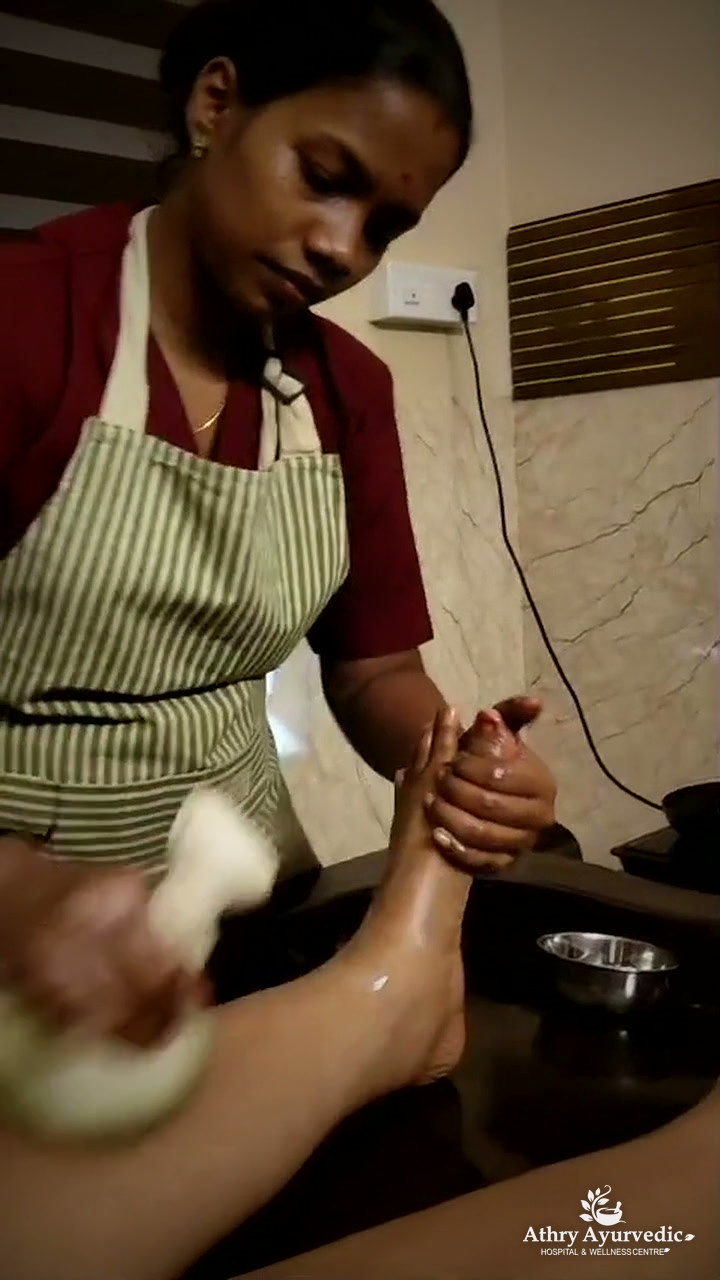
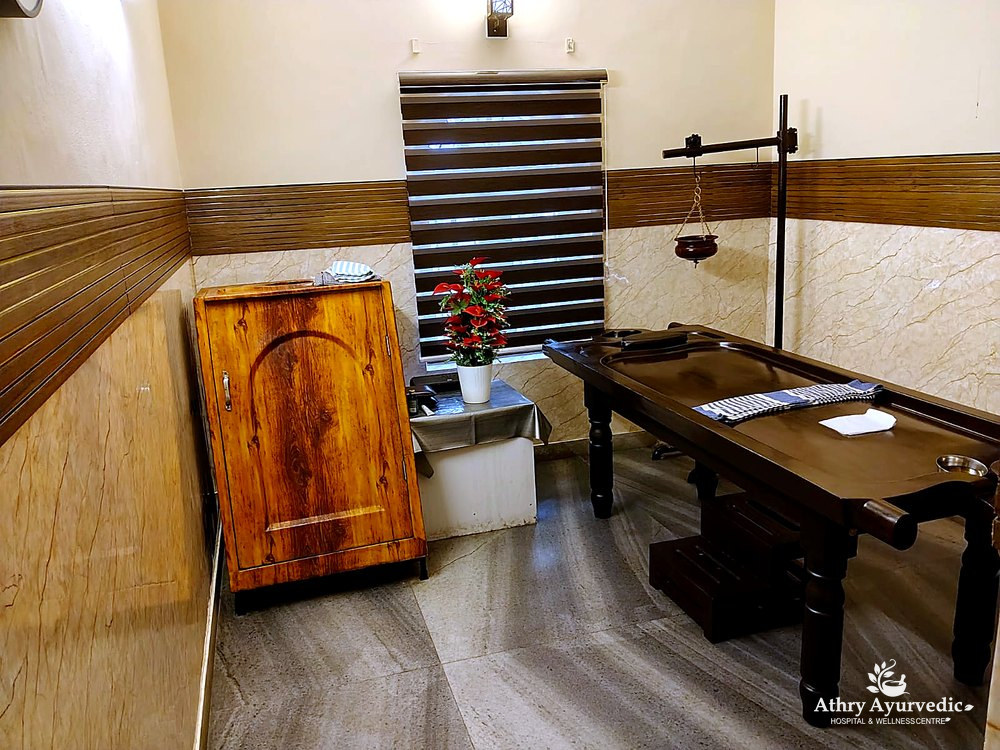
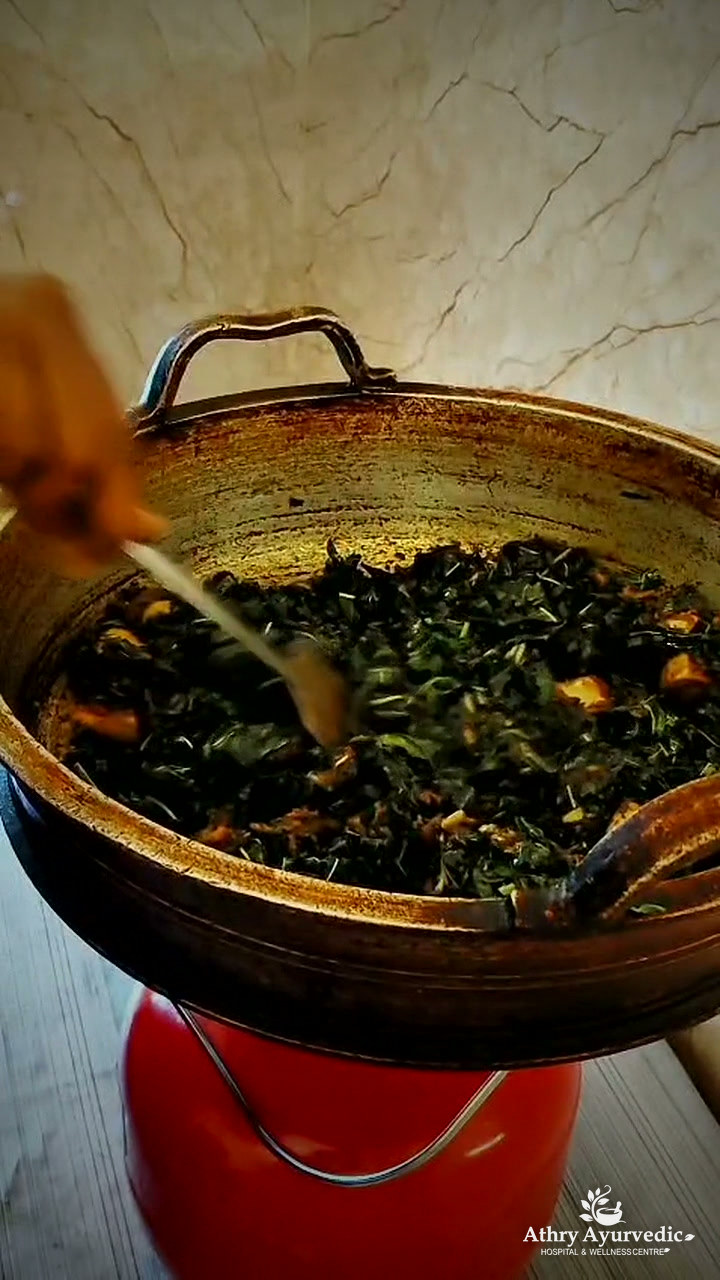
What it may help with
- May support recovery of facial muscle movement
- Supports comfort of the eye when closure is incomplete
- Aims to relax tension and pain around the face and ear
- Traditionally used to nourish the nerves of the head and face
- Provides a home routine of exercises and facial care
Diet & lifestyle guidance
- Eat warm, soft, freshly cooked food; chew on both sides as able
- Avoid cold drinks, ice cream and refrigerated foods
- Protect the face and ears from wind and fans; wear a scarf when outdoors
- Rest well and avoid excessive talking and screen use during treatment
- Protect the affected eye as advised by your doctor
Frequently asked
Should I see a doctor first?
Is it better to start Ayurvedic treatment early?
Will my face fully recover?
Products often used alongside care
Please take classical medicines only on a physician’s advice.
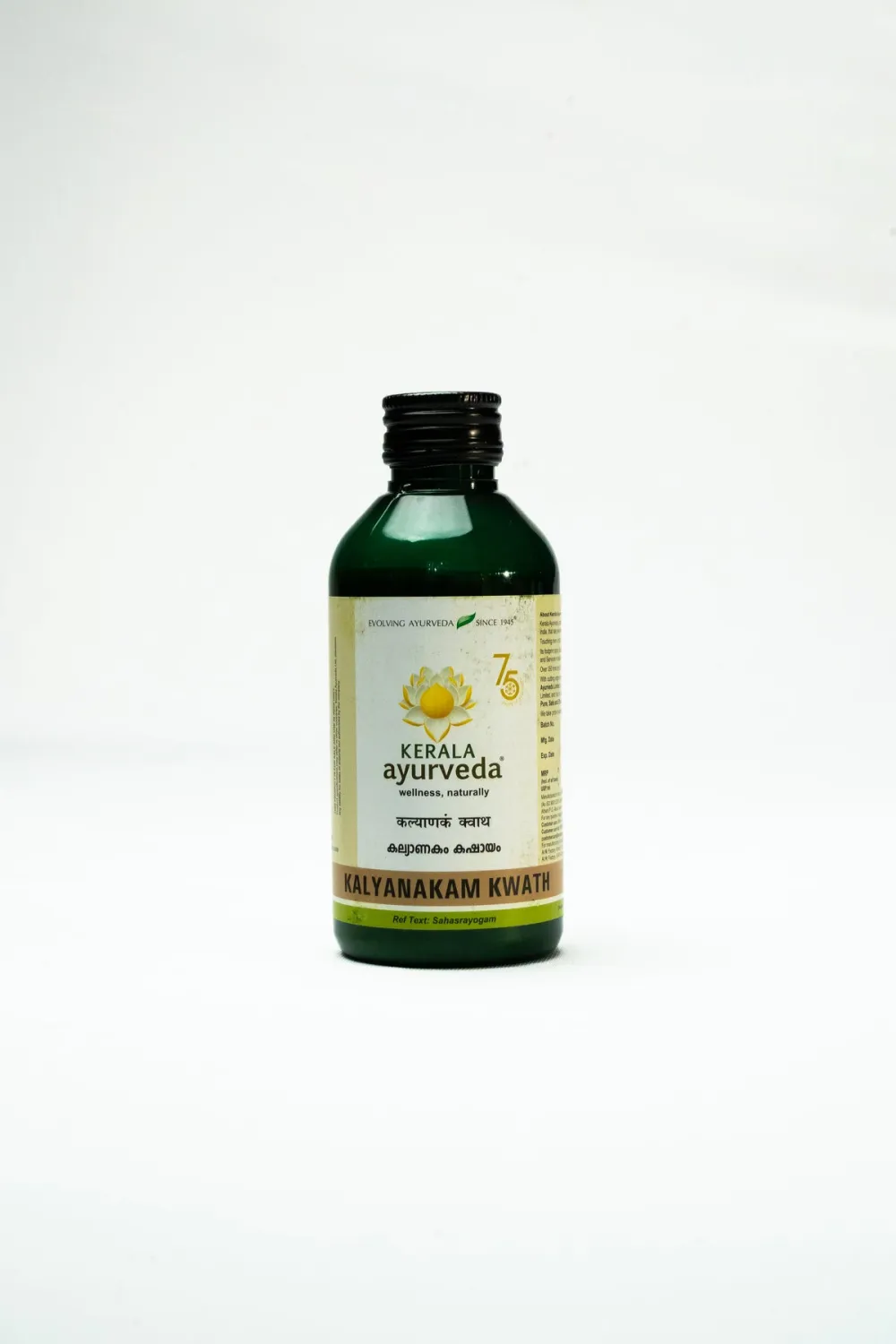
Herbal decoction for mental clarity, emotional balance and digestive comfort
2 sizes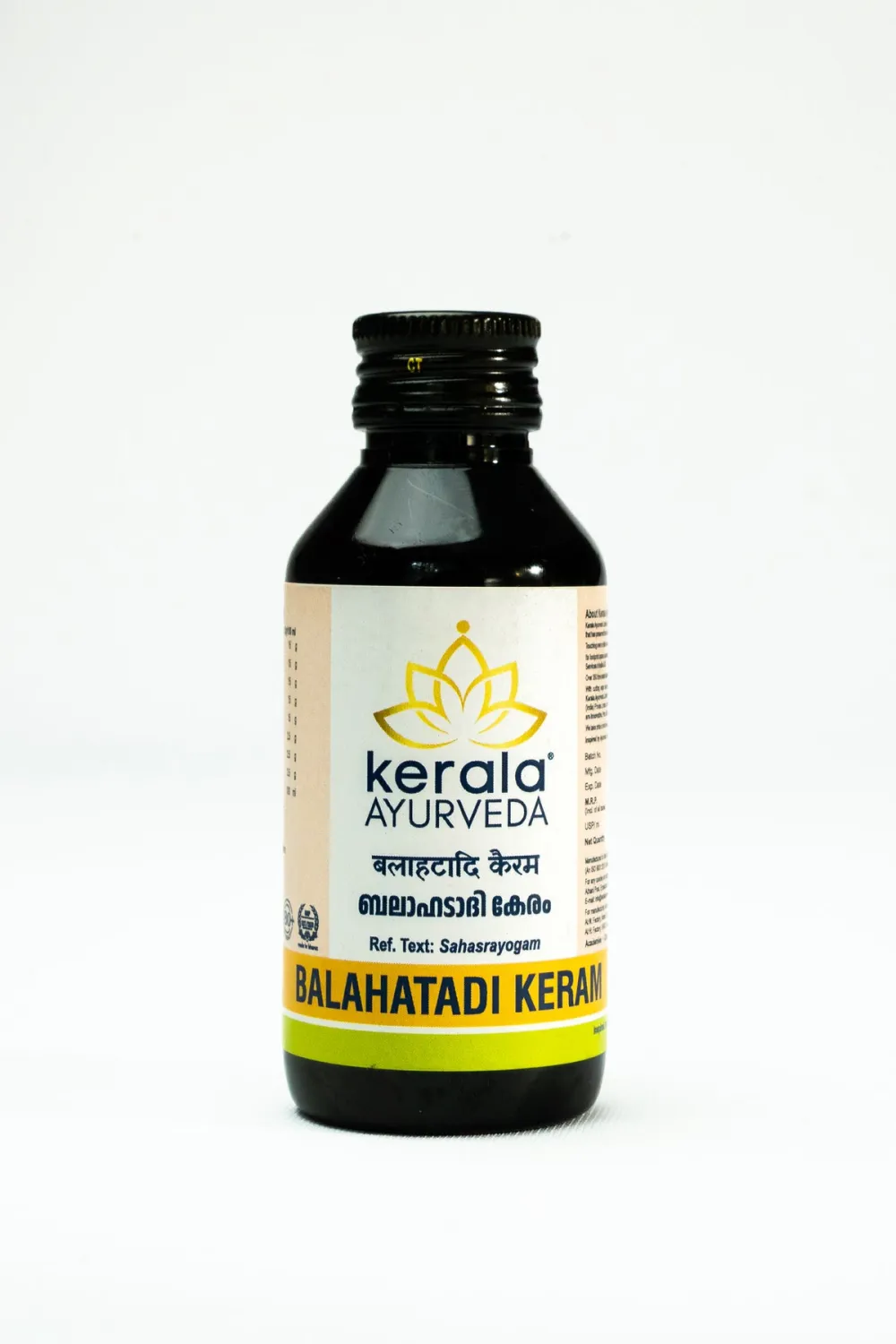
Calming coconut-oil keram for head and neck care, tension relief and restful sleep
2 sizes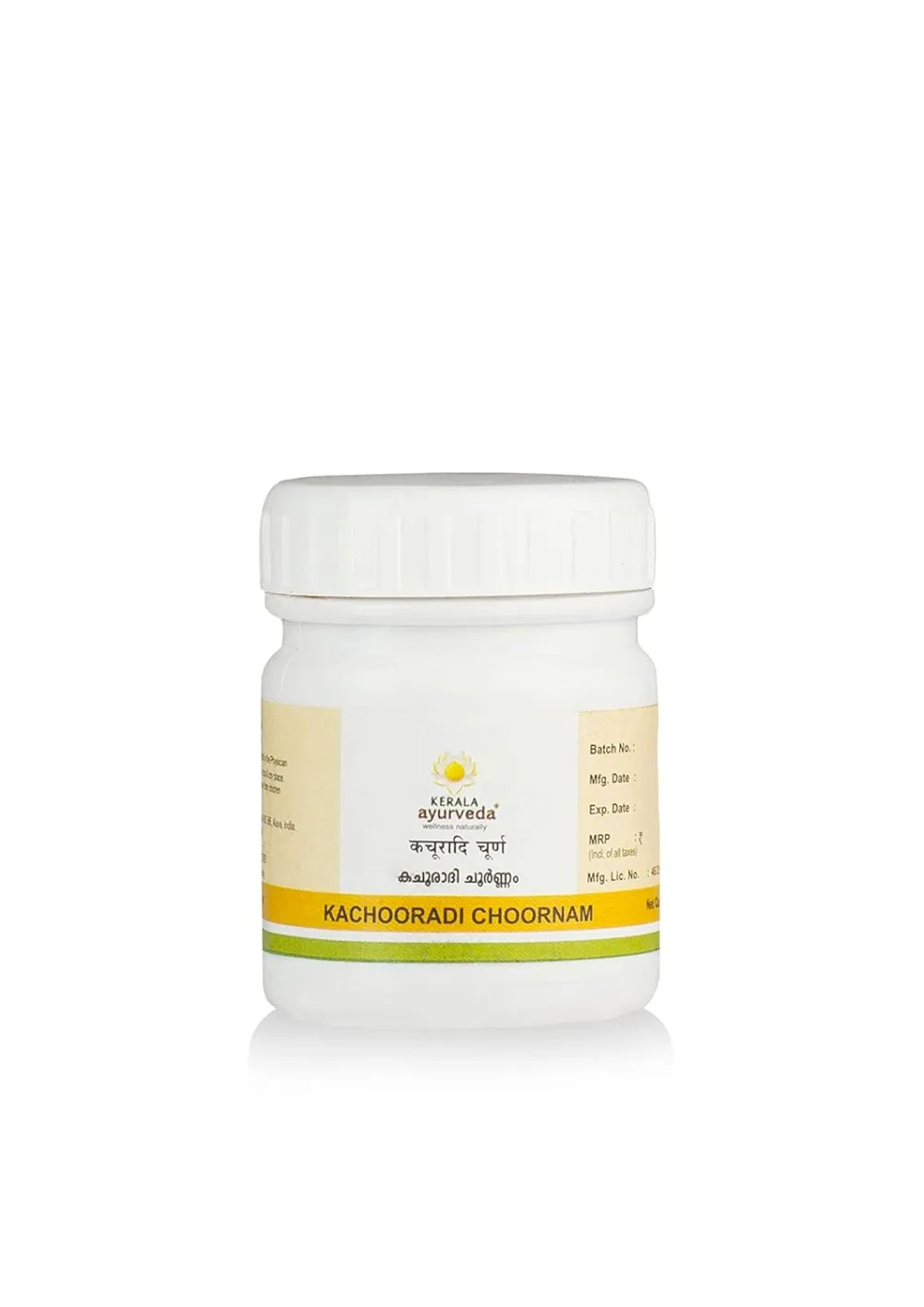
Herbal powder applied externally to ease head heaviness and support a calm mind
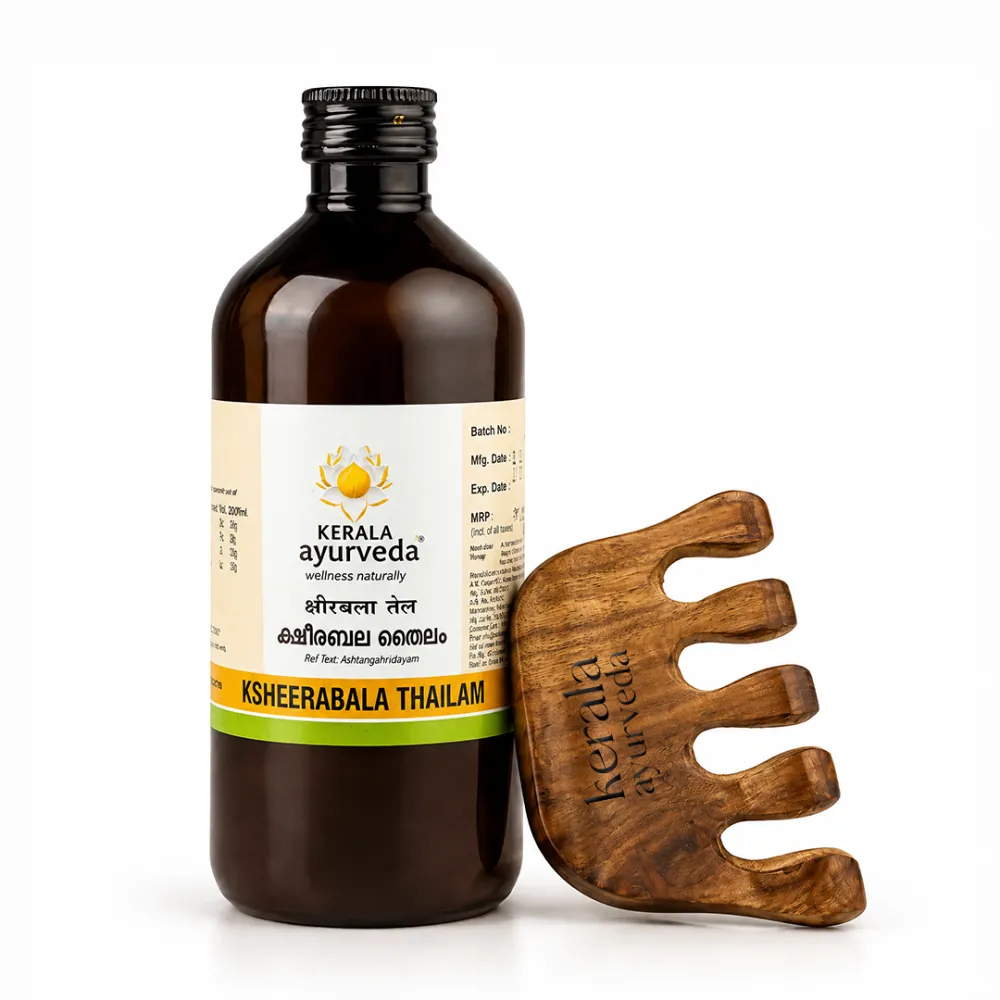
Milk-processed bala oil traditionally used for relaxation and restful sleep
2 sizesPlease note: The information on this website is for general education and reflects the traditional understanding of Kerala Ayurveda. It is not a diagnosis, a prescription or a promise of any particular result. Every treatment at Athry Ayurvedic Hospital & Wellness Centre is planned individually after an in-person consultation with a qualified Ayurvedic physician (BAMS), and outcomes vary from person to person. Please continue any medicines prescribed by your doctor unless they advise otherwise. Ayurvedic care is not a substitute for emergency, surgical or specialist medical care; if you have a medical emergency, contact your nearest hospital immediately.