
Understanding thyroid balance
The thyroid gland controls the body's metabolic rate. An underactive thyroid (hypothyroidism) can cause tiredness, weight gain, constipation, dry skin and feeling cold, while an overactive thyroid (hyperthyroidism) can cause weight loss, palpitations, heat intolerance and anxiety.
Classical Ayurveda describes Galaganda, a swelling of the neck, and more broadly understands thyroid imbalance as a disturbance of Agni and metabolism. Hypothyroid states are generally linked to Kapha and weak Agni, and hyperthyroid states to Pitta and Vata.
Our care is complementary to medical treatment. Please continue your thyroid medicines and regular blood tests; any dose change must be made only by your doctor.
What people notice
- Tiredness, sluggishness and low energy
- Unexplained weight gain or weight loss
- Feeling unusually cold or hot
- Dry skin and hair fall
- Constipation or frequent bowel movements
- Low mood, anxiety or poor concentration
- Irregular periods
The Ayurvedic view
- Autoimmune thyroid conditions
- Iodine imbalance
- Family history
- In Ayurvedic terms, weak Agni and accumulation of Kapha and Ama, or aggravated Pitta
- Stress, irregular routine and lack of exercise
How we treat it at Athry
Assessment
Review of thyroid function tests and medicines, general examination, Nadi Pariksha and Prakriti assessment.
Preparation
Digestion is kindled and a light, regular diet and daily exercise routine are introduced.
Core therapies
For hypothyroid tendencies, Udvartanam and Kapha-reducing therapies; Nasya and Virechana after physician assessment where appropriate. For stress and sleep, Shirodhara.
Rasayana & aftercare
Internal medicines, lifestyle and diet guidance, and continued monitoring with your doctor.
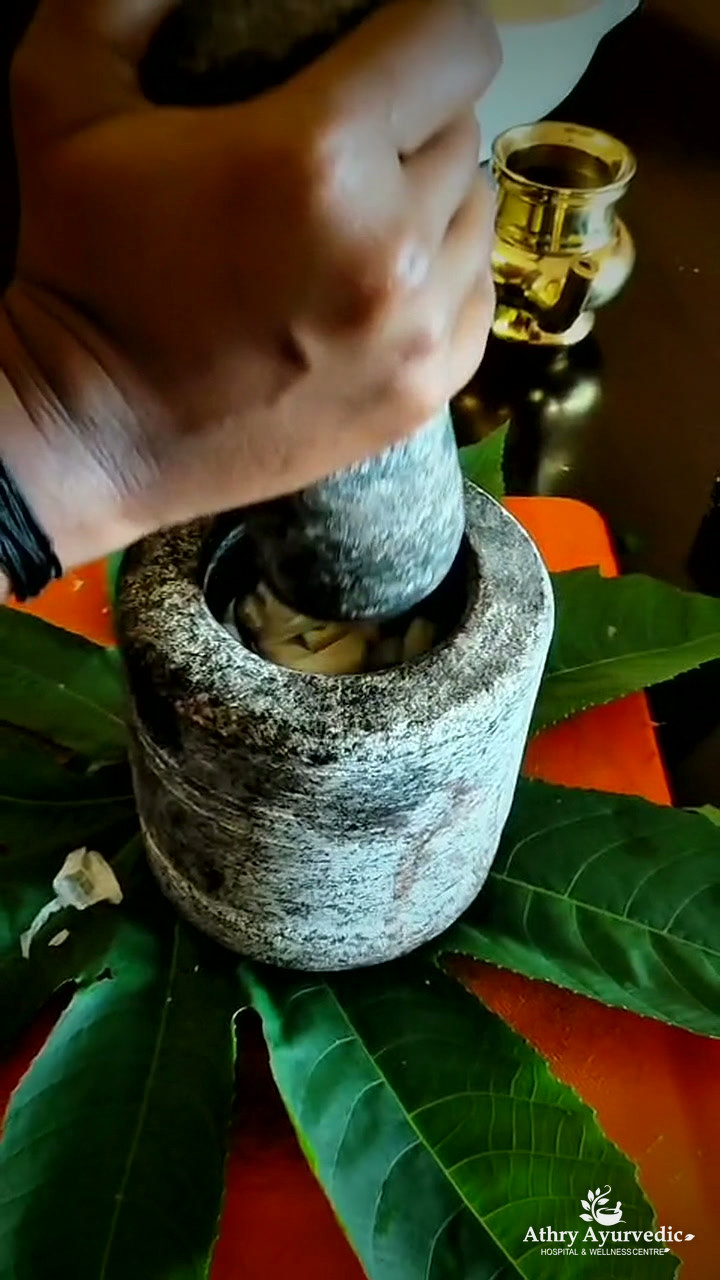
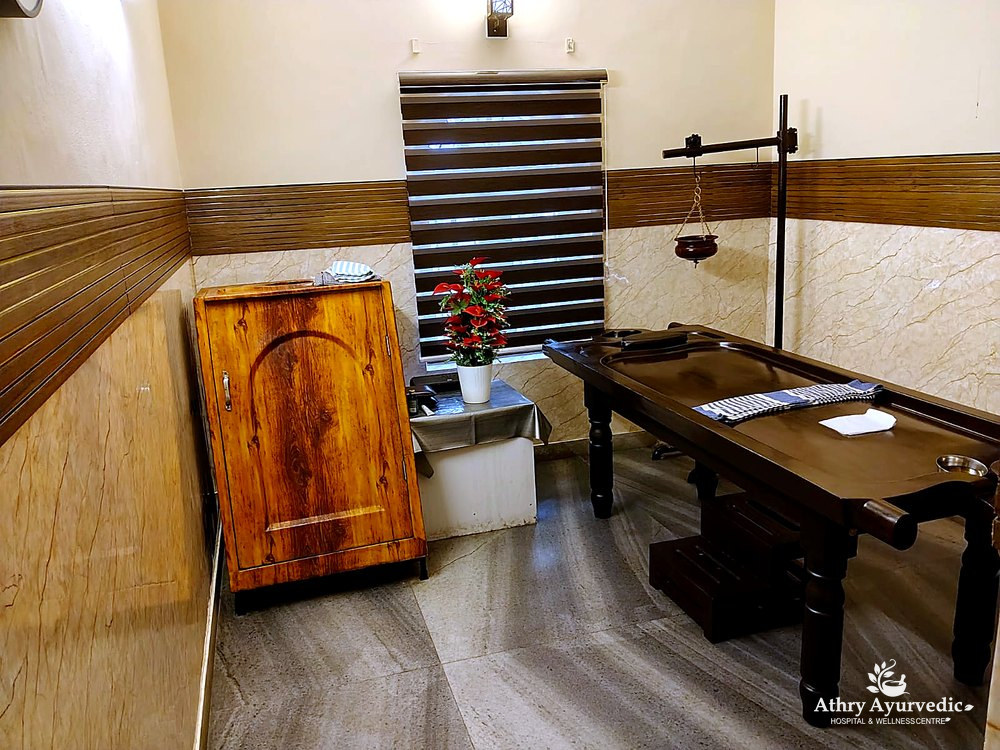
Classical procedures in this plan

What it may help with
- Supports energy and general wellbeing
- May help with weight management and digestion
- Supports skin and hair health
- Aims to ease stress and improve sleep
- Complements your ongoing thyroid treatment
Diet & lifestyle guidance
- Eat warm, freshly cooked meals at regular times
- Take thyroid medicine as prescribed, with the timing your doctor advises
- For an underactive thyroid, reduce heavy, cold and very sweet foods
- Exercise daily, including brisk walking or yoga
- Keep a regular sleep schedule and manage stress
Frequently asked
Can I stop my thyroid tablets after Ayurvedic treatment?
How will you know if the treatment is helping?
Is the programme different for an overactive thyroid?
Products often used alongside care
Please take classical medicines only on a physician’s advice.

Fermented Haritaki tonic traditionally used to support digestion and regularity
2 sizes
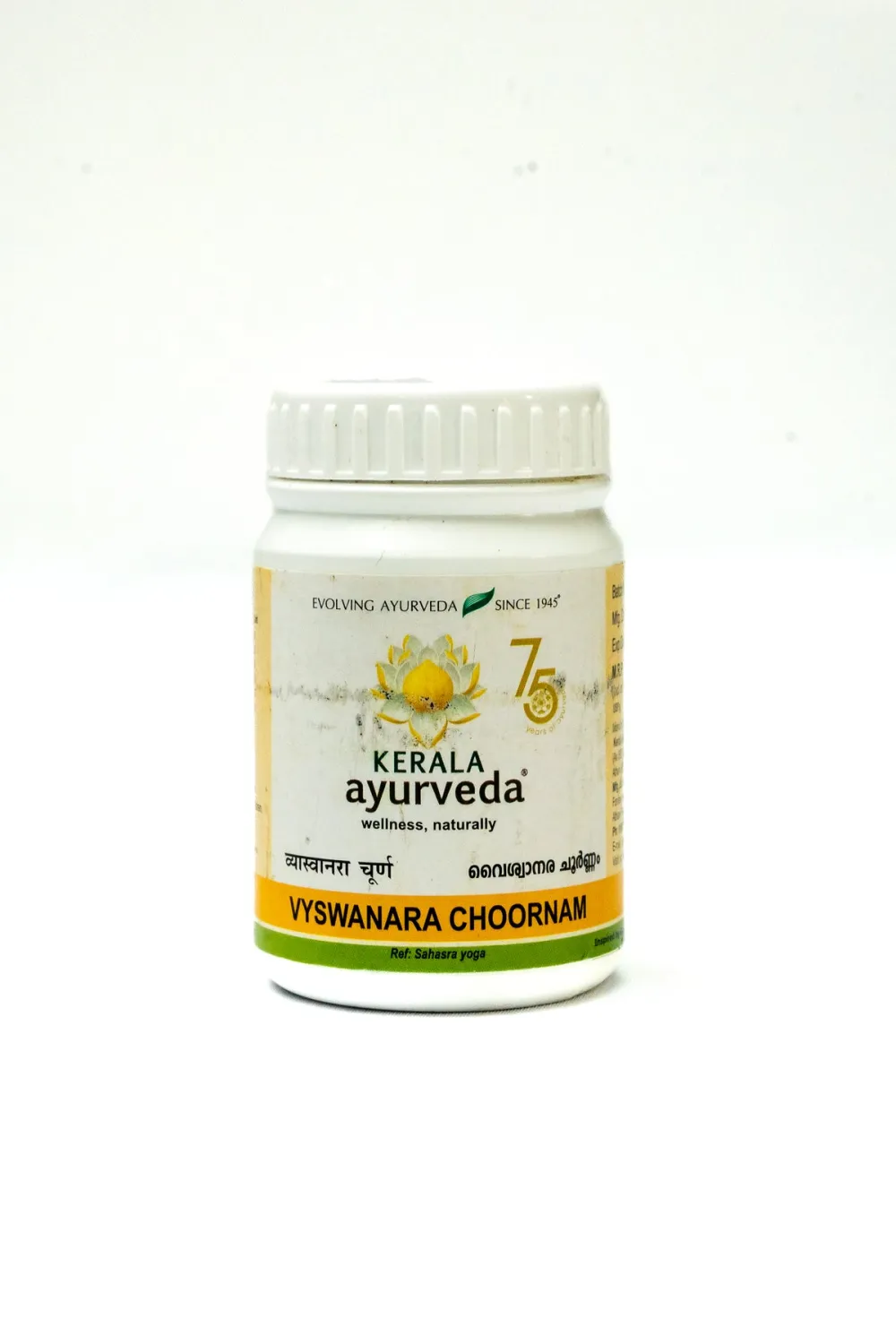
Herbal digestive powder that supports digestive wellness and regular bowels
2 sizes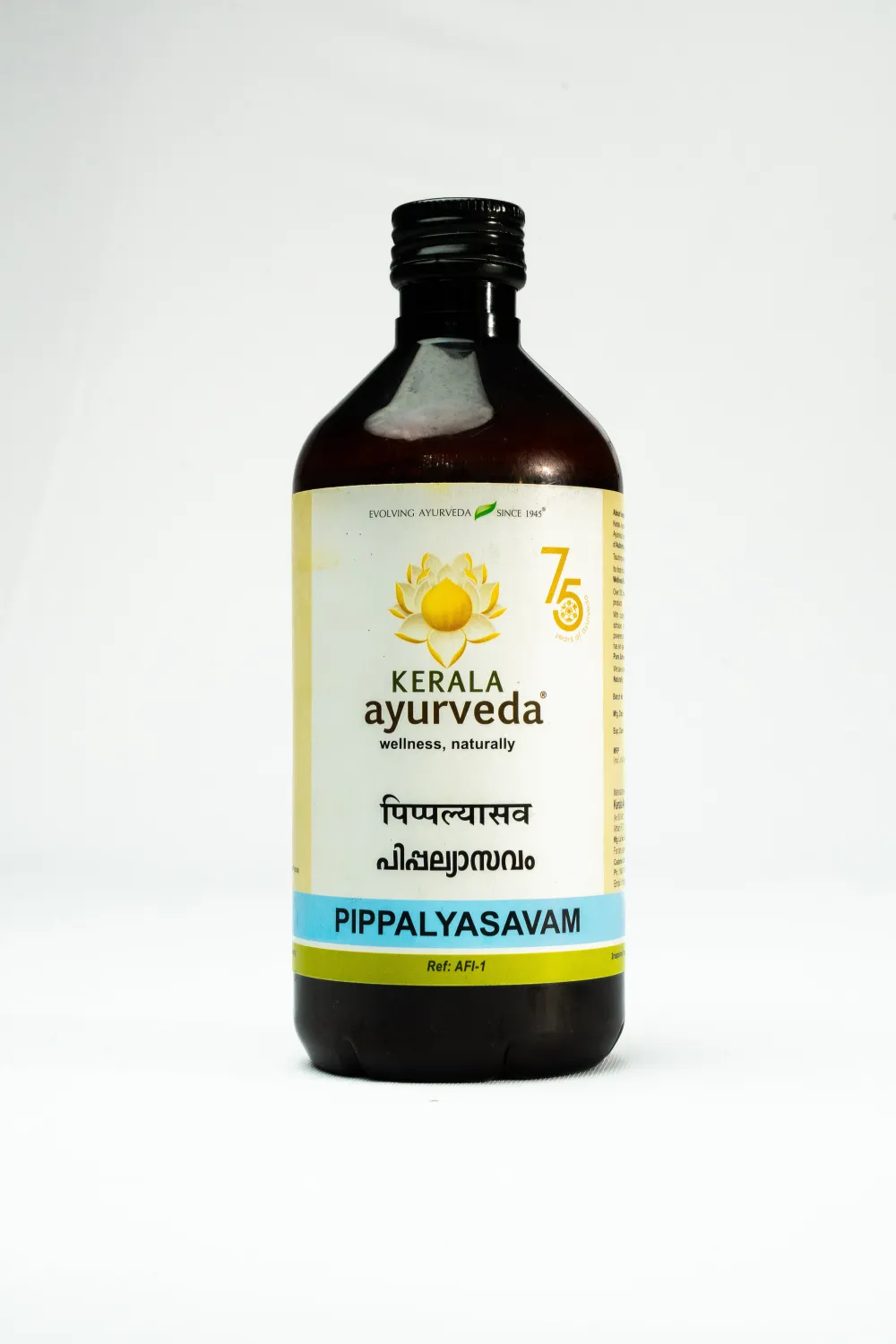
Please note: The information on this website is for general education and reflects the traditional understanding of Kerala Ayurveda. It is not a diagnosis, a prescription or a promise of any particular result. Every treatment at Athry Ayurvedic Hospital & Wellness Centre is planned individually after an in-person consultation with a qualified Ayurvedic physician (BAMS), and outcomes vary from person to person. Please continue any medicines prescribed by your doctor unless they advise otherwise. Ayurvedic care is not a substitute for emergency, surgical or specialist medical care; if you have a medical emergency, contact your nearest hospital immediately.