
Understanding rheumatoid arthritis
Rheumatoid arthritis is an autoimmune condition in which the body's immune system affects the lining of the joints, causing pain, swelling, warmth and stiffness, often in the small joints of the hands and feet on both sides of the body. It can also cause tiredness and general weakness.
Ayurveda describes a closely matching condition called Amavata. Weak digestion produces Ama, a sticky, toxic residue, which is carried by aggravated Vata and deposited in the joints. The joints become swollen, heavy, painful and stiff, especially in the morning and in cold, damp weather.
Classical treatment begins by improving digestion and drying up Ama before any oil therapy is introduced. Because rheumatoid arthritis can damage joints if poorly controlled, our care is complementary and we ask patients to continue the medicines prescribed by their rheumatologist.
What people notice
- Pain and swelling in several joints, often on both sides of the body
- Morning stiffness that lasts longer than an hour
- Warmth or tenderness over the joints
- Heaviness of the body, tiredness and low appetite
- Pain that may move from joint to joint
- Difficulty gripping, dressing or walking during flare-ups
The Ayurvedic view
- Weak or irregular digestion (Mandagni) leading to the formation of Ama
- Eating heavy, cold or incompatible foods, and eating before the previous meal is digested
- Exercising or exerting immediately after heavy meals
- A sedentary routine and daytime sleep
- Cold, damp weather and emotional stress, which may trigger flare-ups
How we treat it at Athry
Assessment
Nadi Pariksha, Prakriti assessment, a careful joint examination and review of your blood tests and current medicines. Your physician judges how much Ama is present and whether the condition is active.
Ama pachana
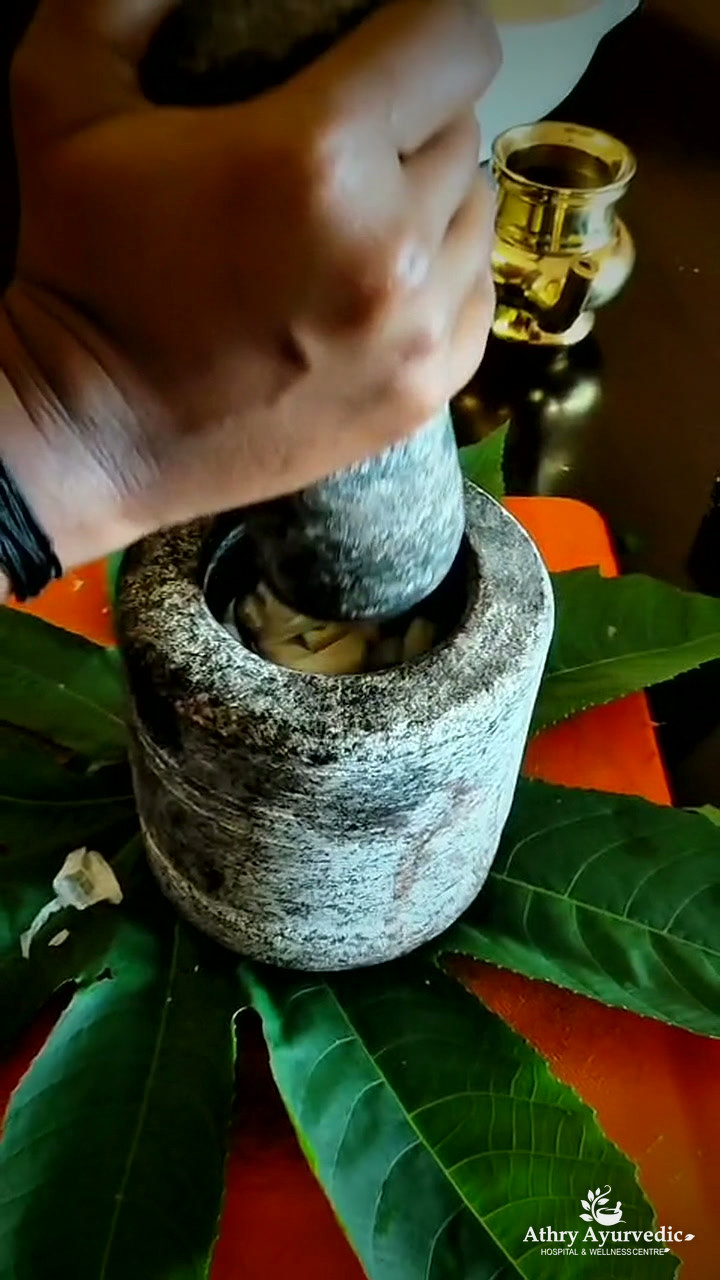
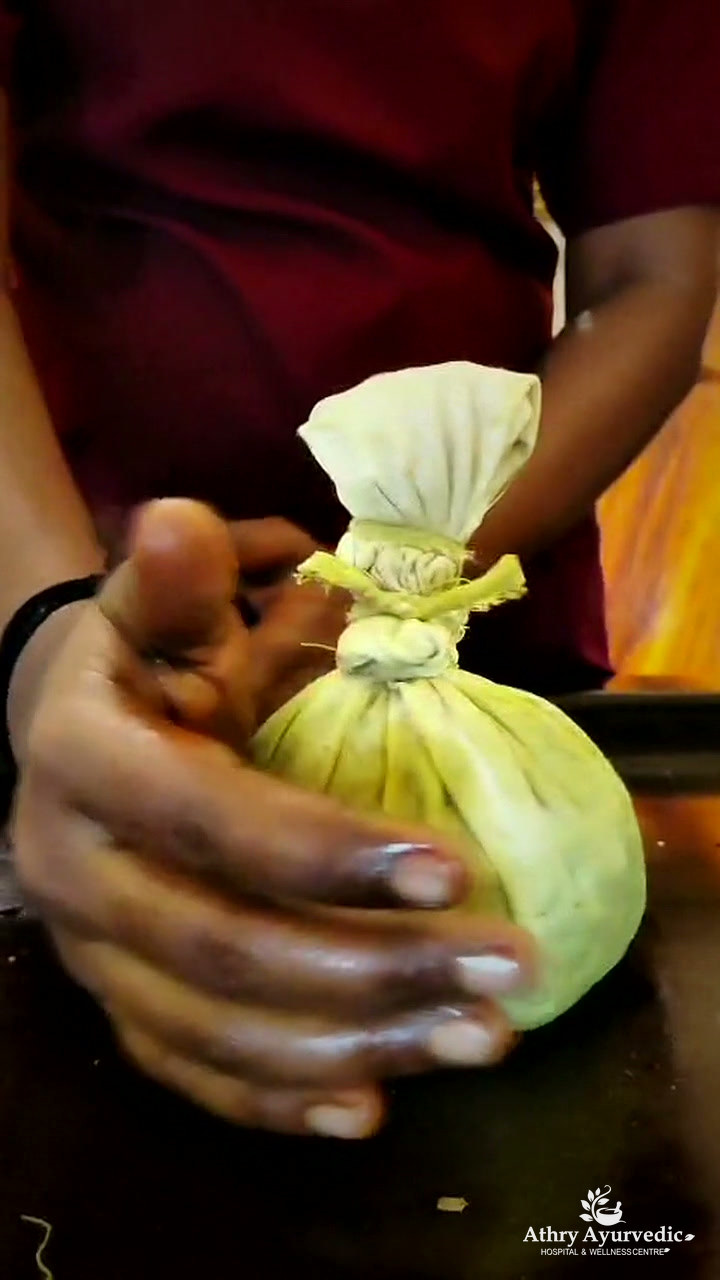
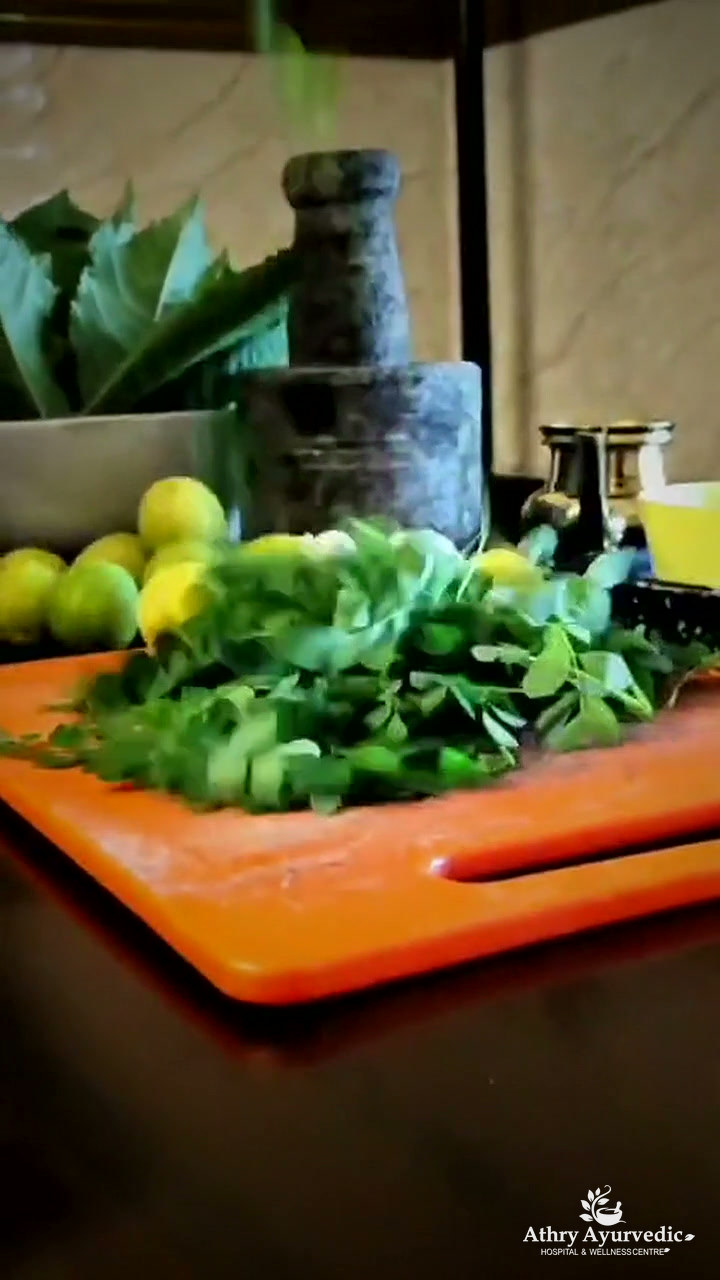
Before any oiling, digestion is strengthened with Langhana (light diet), warm water and digestive herbal preparations. Dry therapies such as Podikizhi or Valuka Sweda are used to reduce swelling and heaviness.
Core therapies
Once Ama has reduced, Virechana or a course of Vasti may be advised after physician assessment. Udvartanam with herbal powders may help with heaviness. Gentle oil therapies are introduced only when the joints are ready.
Rasayana & aftercare
Internal medicines, Pathya diet and a daily routine are continued at home. We encourage regular follow-up with both our physician and your rheumatologist.
Classical procedures in this plan
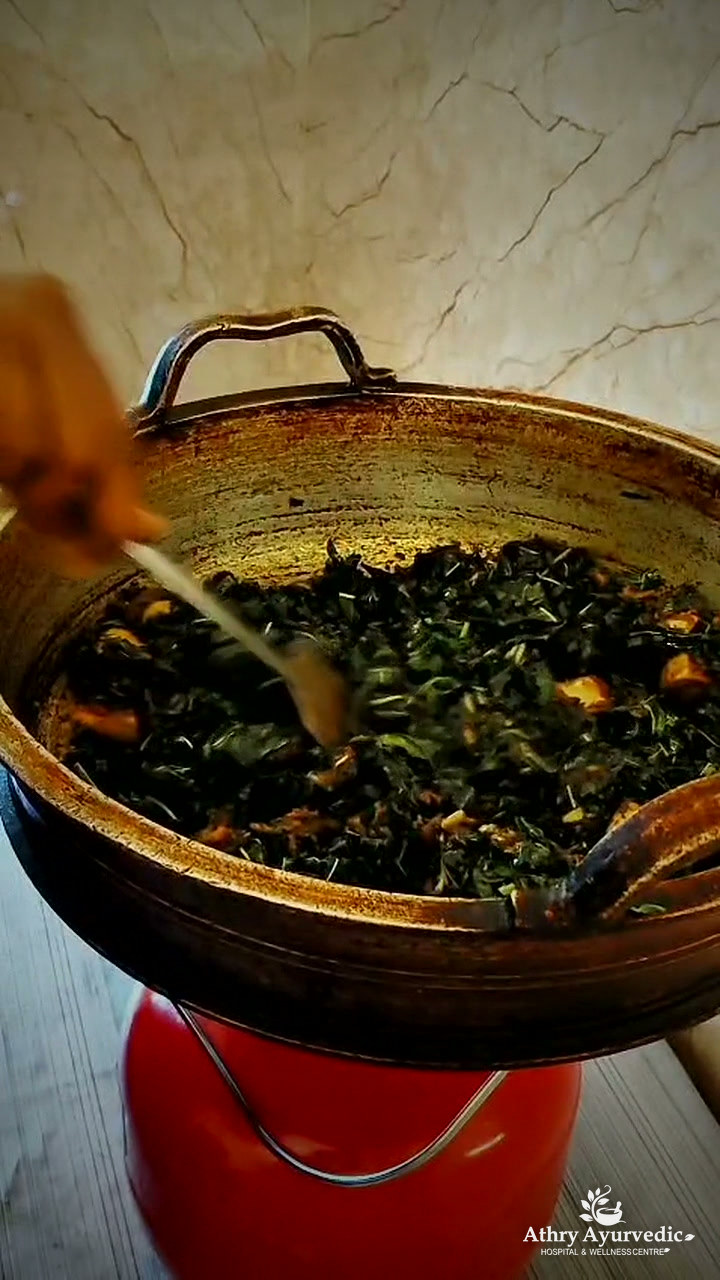
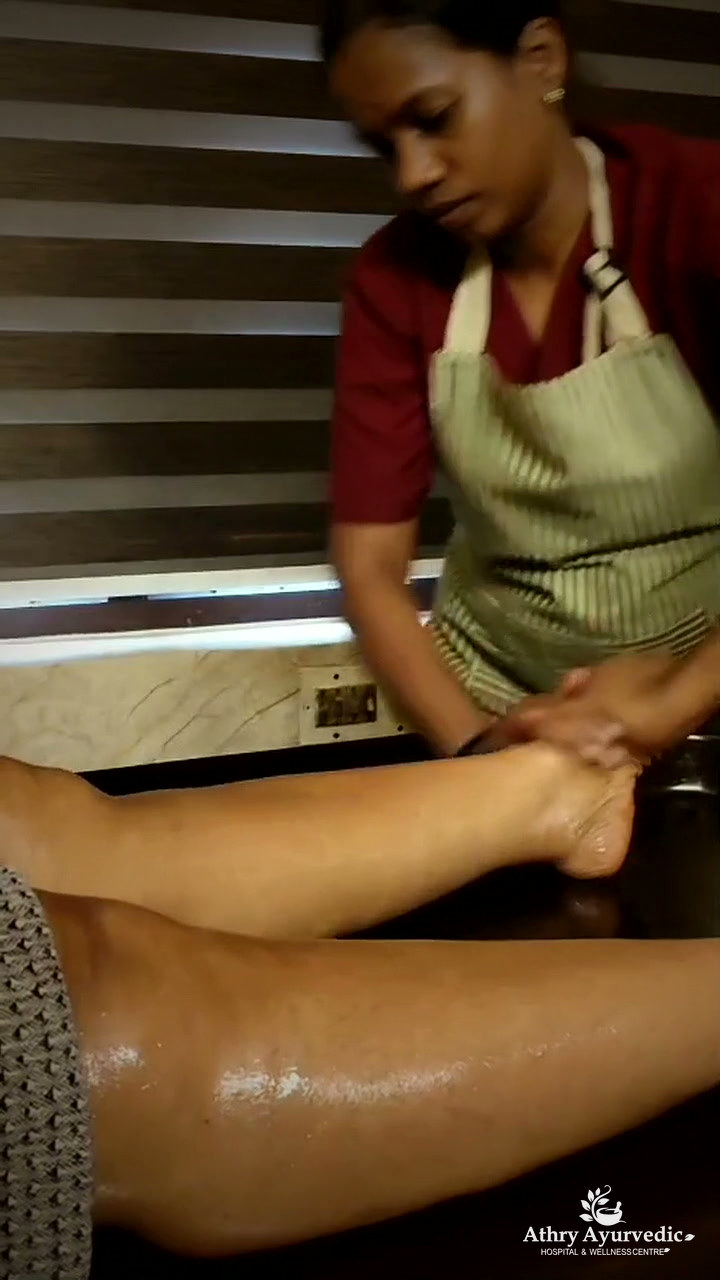
What it may help with
- May help reduce joint swelling, heaviness and morning stiffness
- Supports digestion and appetite, a key focus in Amavata
- Aims to improve energy and day-to-day function
- Traditionally used to help reduce the frequency of flare-ups
- Provides diet and routine guidance for long-term self-care
Diet & lifestyle guidance
- Drink warm water through the day; ginger or dry-ginger water is often advised
- Eat light, warm, easily digested food such as rice gruel (kanji), moong dal and cooked vegetables
- Avoid curd, cold drinks, heavy non-vegetarian food, fried snacks and bakery items
- Eat only when truly hungry and avoid late-night meals
- Avoid daytime sleep and stay warm in damp weather
Frequently asked
Should I stop my rheumatoid arthritis medicines?
Why do you not start with oil massage?
How long before I notice a difference?
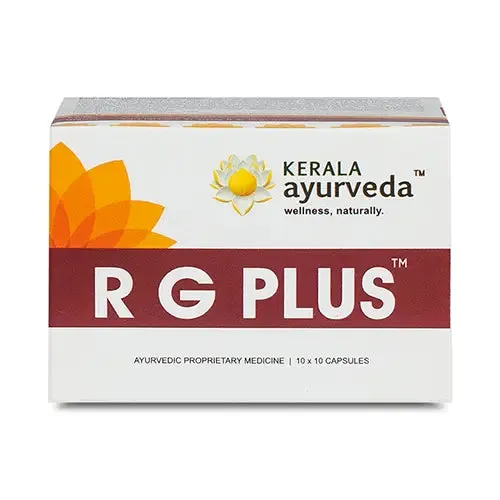
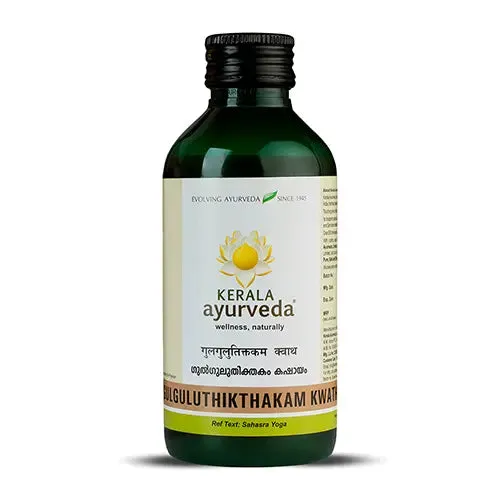
Products often used alongside care
Please take classical medicines only on a physician’s advice.
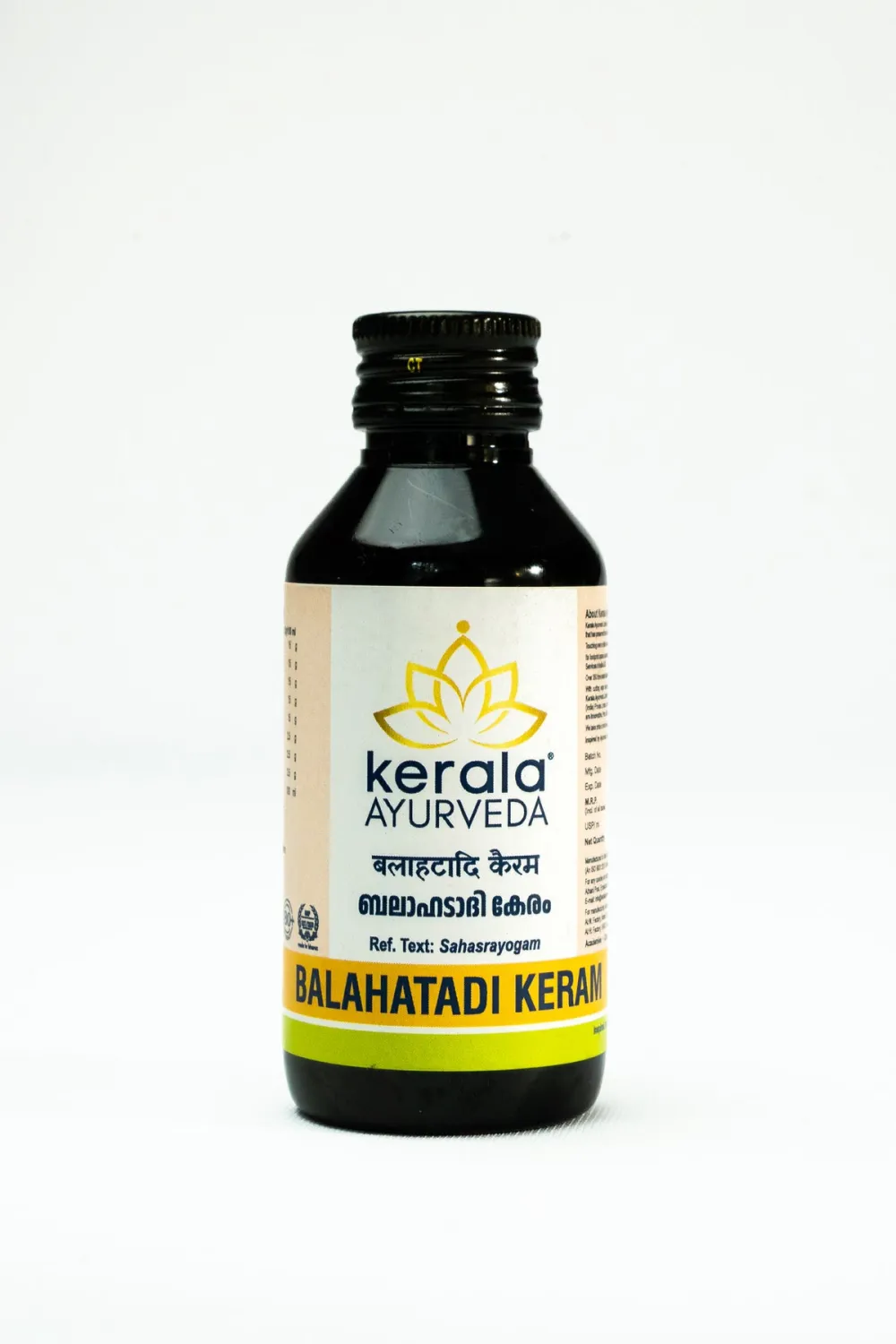
Calming coconut-oil keram for head and neck care, tension relief and restful sleep
2 sizes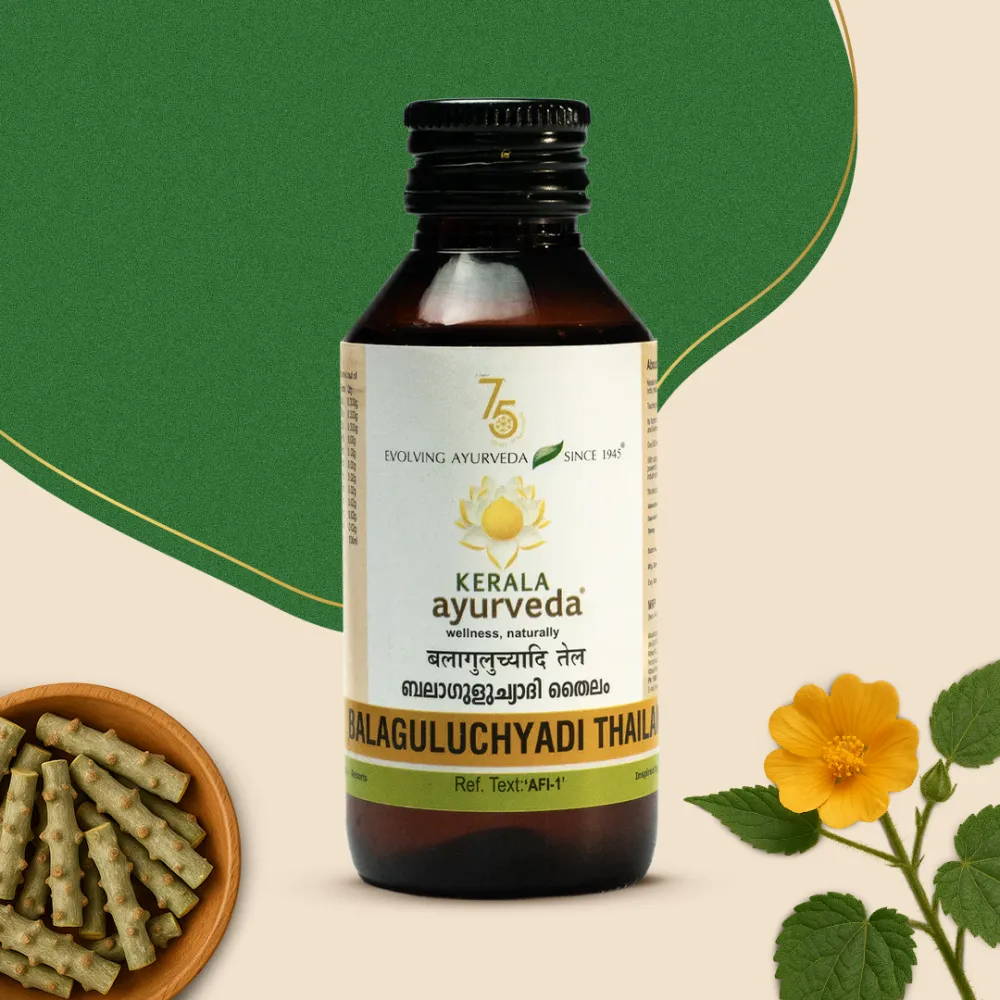
Classical herbal oil traditionally used for joint and musculoskeletal comfort
2 sizesPlease note: The information on this website is for general education and reflects the traditional understanding of Kerala Ayurveda. It is not a diagnosis, a prescription or a promise of any particular result. Every treatment at Athry Ayurvedic Hospital & Wellness Centre is planned individually after an in-person consultation with a qualified Ayurvedic physician (BAMS), and outcomes vary from person to person. Please continue any medicines prescribed by your doctor unless they advise otherwise. Ayurvedic care is not a substitute for emergency, surgical or specialist medical care; if you have a medical emergency, contact your nearest hospital immediately.