Understanding stroke & paralysis rehabilitation
A stroke happens when the blood supply to part of the brain is interrupted or when a blood vessel in the brain bleeds. It can cause weakness or paralysis on one side of the body, difficulty with speech, altered sensation and problems with balance. A stroke is a medical emergency; immediate hospital care comes first.
Classical Ayurveda describes Pakshaghata, literally 'striking of one side', in which aggravated Vata affects the channels of one half of the body, resulting in loss of movement and sensation. Kerala's oil- and bolus-based therapies have long been used in the recovery phase to support the muscles, joints and nervous system.
Our rehabilitation programme is complementary. It begins once your condition is medically stable, and we ask you to continue the medicines prescribed by your neurologist, particularly blood thinners and blood-pressure medicines, and to keep up regular medical follow-up.
What people notice
- Weakness or paralysis of the arm and leg on one side
- Stiffness or spasticity of the affected limbs
- Reduced sensation, numbness or tingling
- Difficulty with speech or swallowing
- Problems with balance and walking
- Fatigue, low mood or disturbed sleep during recovery
The Ayurvedic view
- High blood pressure, diabetes and raised cholesterol affecting blood vessels
- Heart rhythm problems such as atrial fibrillation
- Smoking, alcohol and a sedentary lifestyle
- In Ayurvedic terms, Vata aggravated by obstruction (Avarana) or depletion (Dhatukshaya) of the channels
- Long-standing stress, irregular routine and poor sleep
How we treat it at Athry
Assessment
Review of your medical records, scans and current medicines, a neurological and functional assessment, Nadi Pariksha and Prakriti assessment. We confirm medical stability and agree goals with you and your family.
Preparation
Digestion is supported and the body is prepared with Abhyanga. If heaviness or stiffness is marked, dry therapies such as Podikizhi may come first.
Core therapies
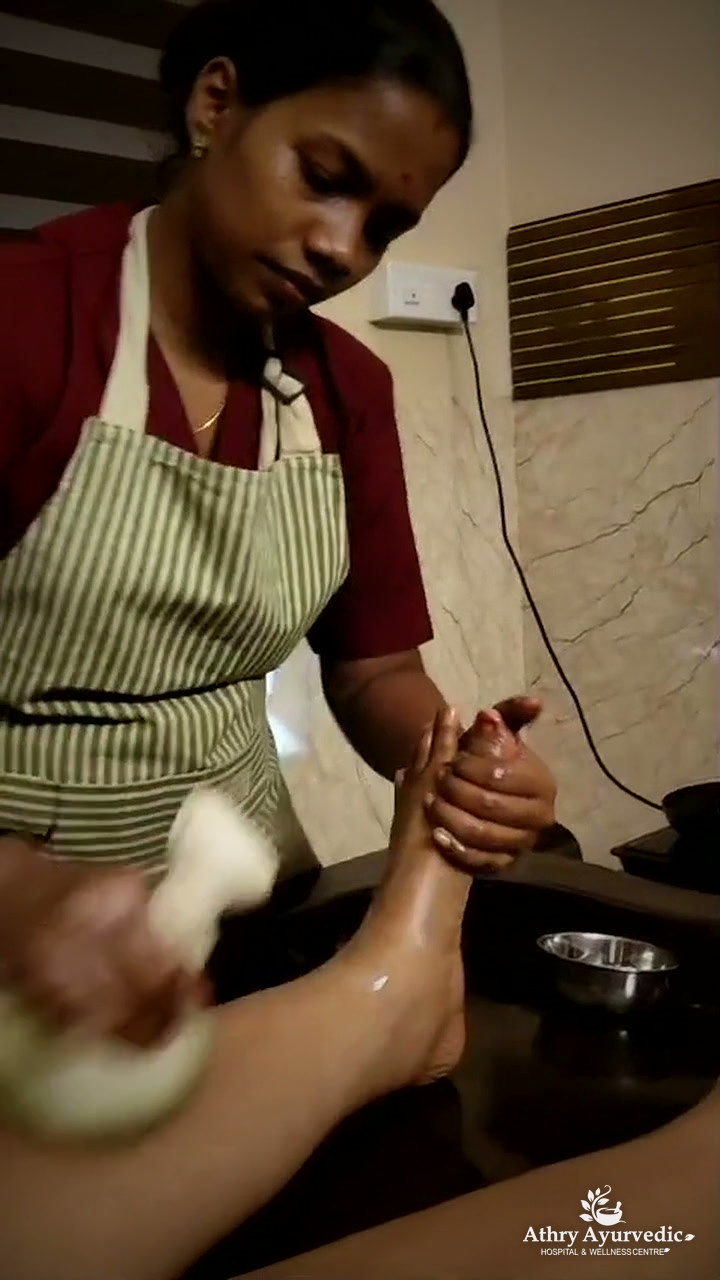
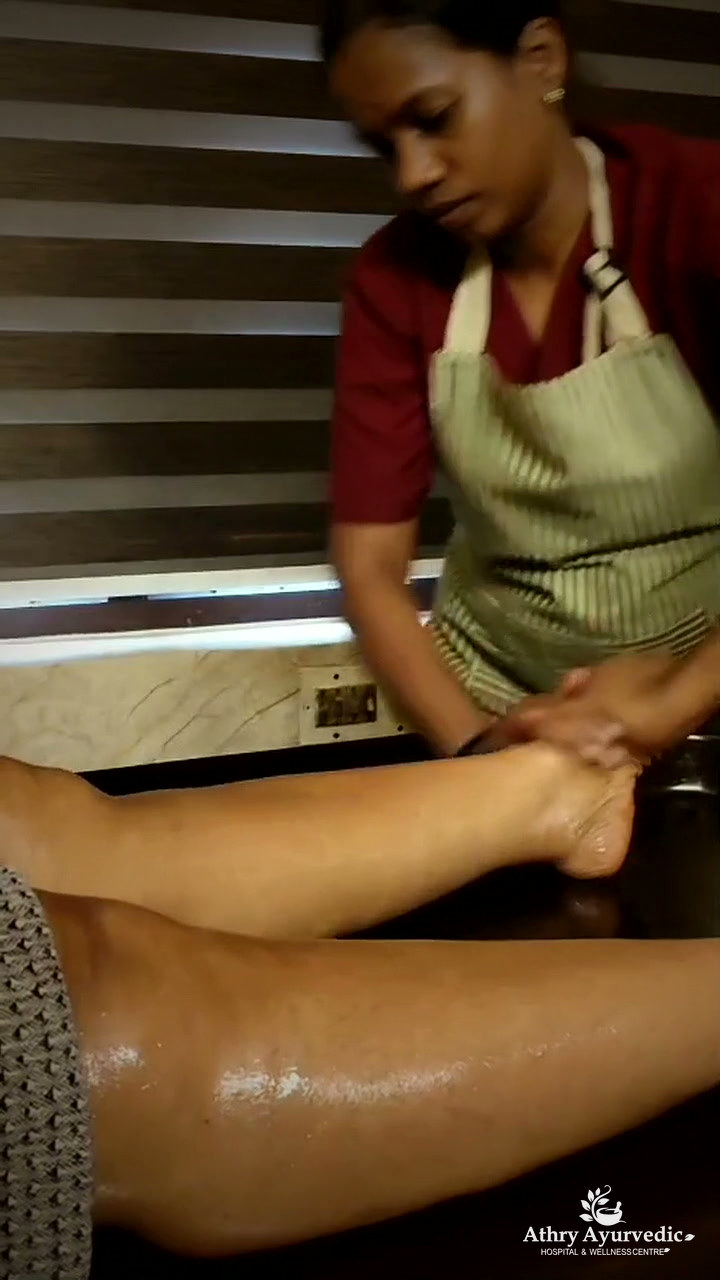
Njavarakizhi and Pizhichil to nourish muscles and reduce stiffness, Nasya and Shirodhara where suitable, and Vasti after physician assessment. Daily therapies are combined with physiotherapy exercises.
Rasayana & aftercare
Internal medicines, a home exercise plan, carer guidance, diet advice and regular follow-up with both our team and your neurologist.
Classical procedures in this plan
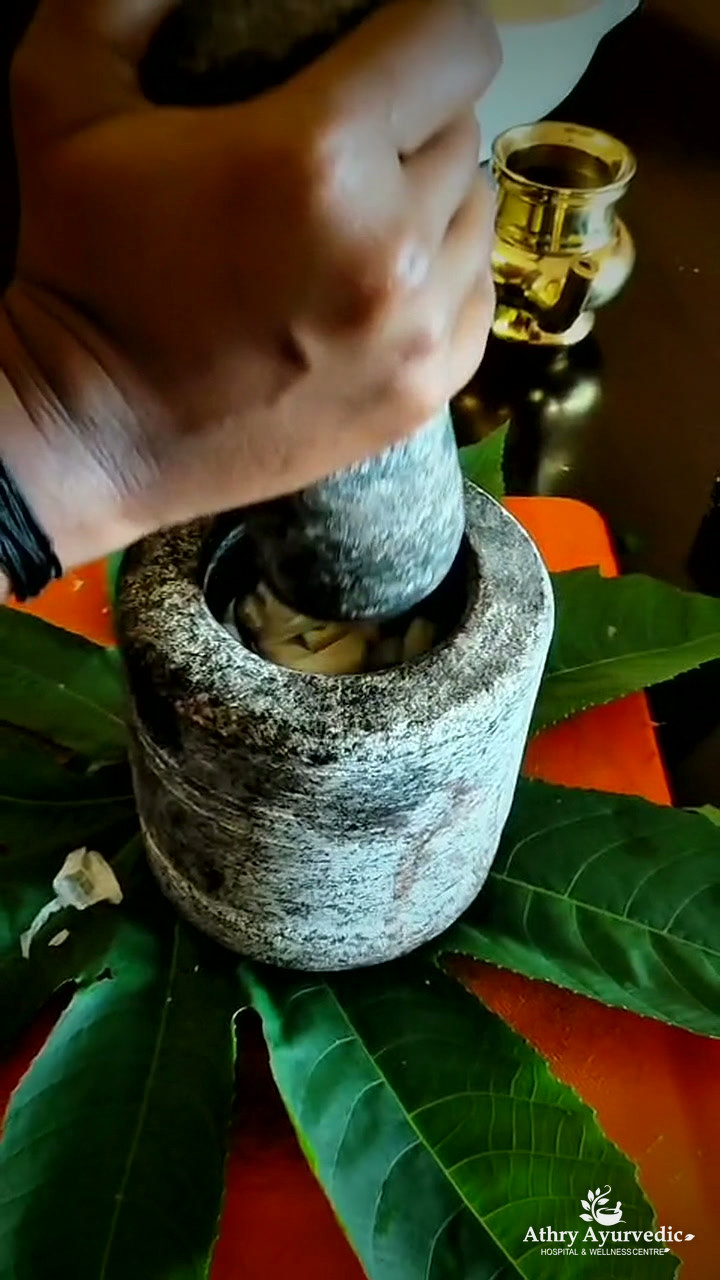
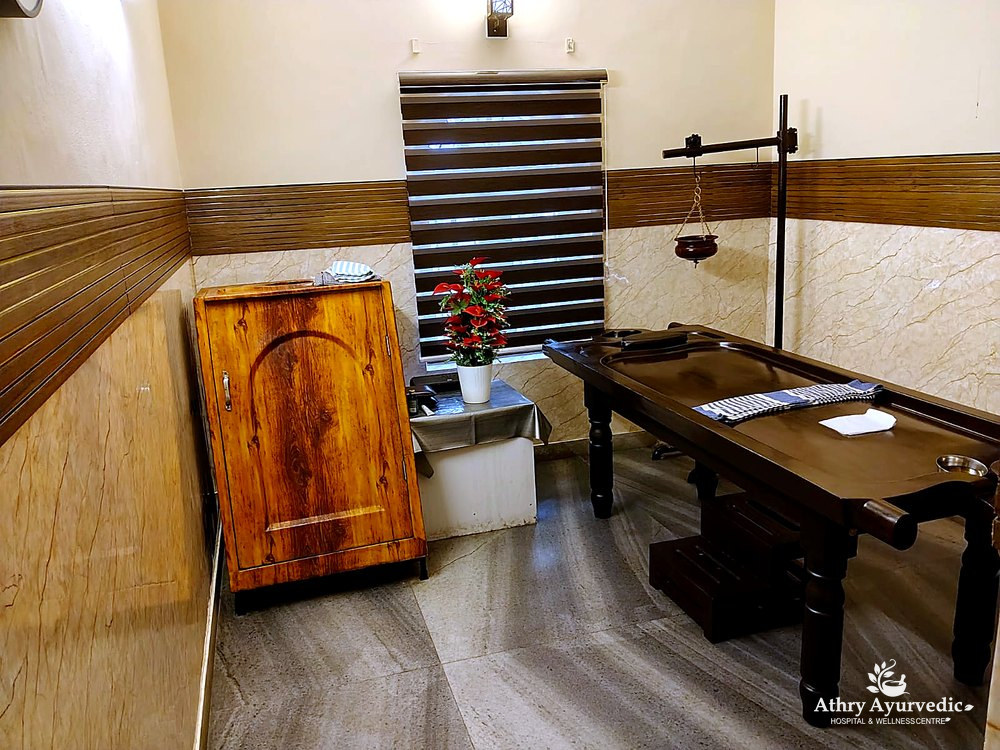
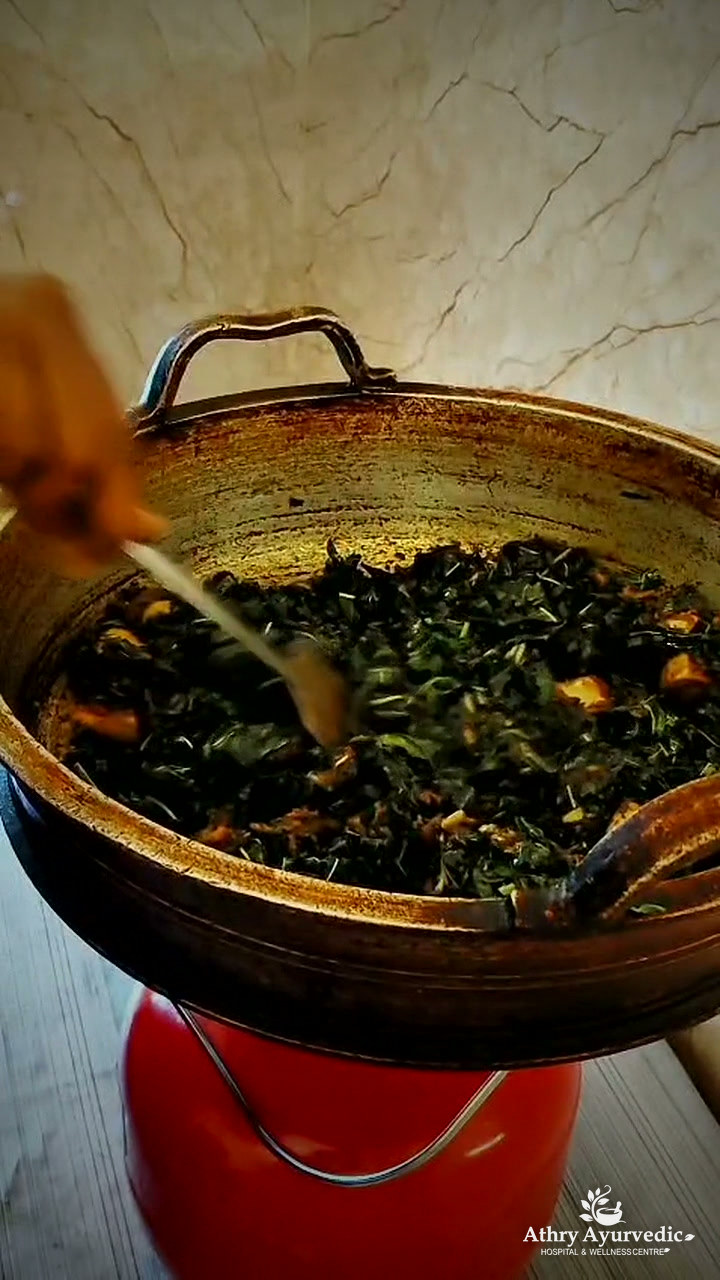
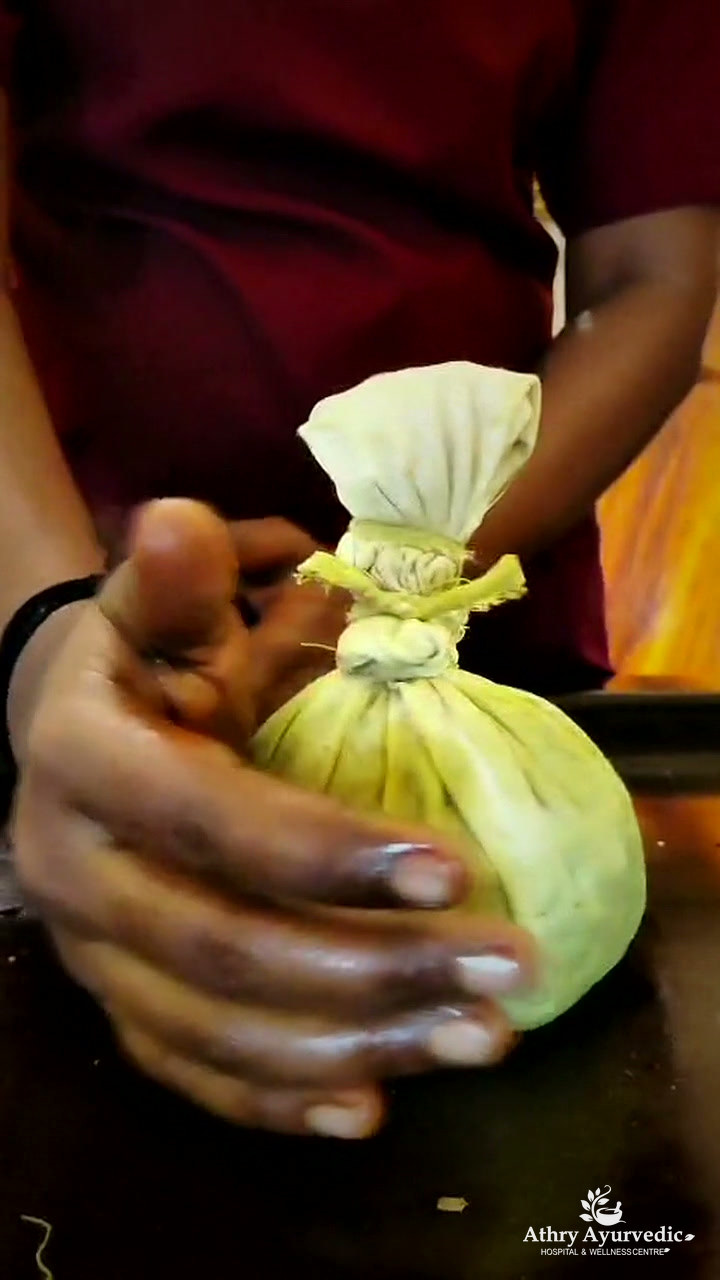
What it may help with
- May help reduce stiffness and spasticity in affected limbs
- Supports muscle tone, strength and joint mobility
- Aims to improve comfort, sleep and general wellbeing during recovery
- Complements physiotherapy by keeping tissues supple
- Provides families with practical guidance for care at home
Diet & lifestyle guidance
- Follow the salt, sugar and fat guidance given by your doctor and dietitian
- Eat warm, soft, easily digested meals; adapt texture if swallowing is affected
- Include cooked vegetables, moong dal, rice or wheat, and a little ghee as advised
- Avoid smoking and alcohol completely
- Keep a regular daily routine with adequate sleep and supervised activity
Frequently asked
When can Ayurvedic rehabilitation start after a stroke?
Should I continue my blood thinners and other medicines?
Can Ayurveda restore full movement?
Can a family member stay with the patient?
Products often used alongside care
Please take classical medicines only on a physician’s advice.
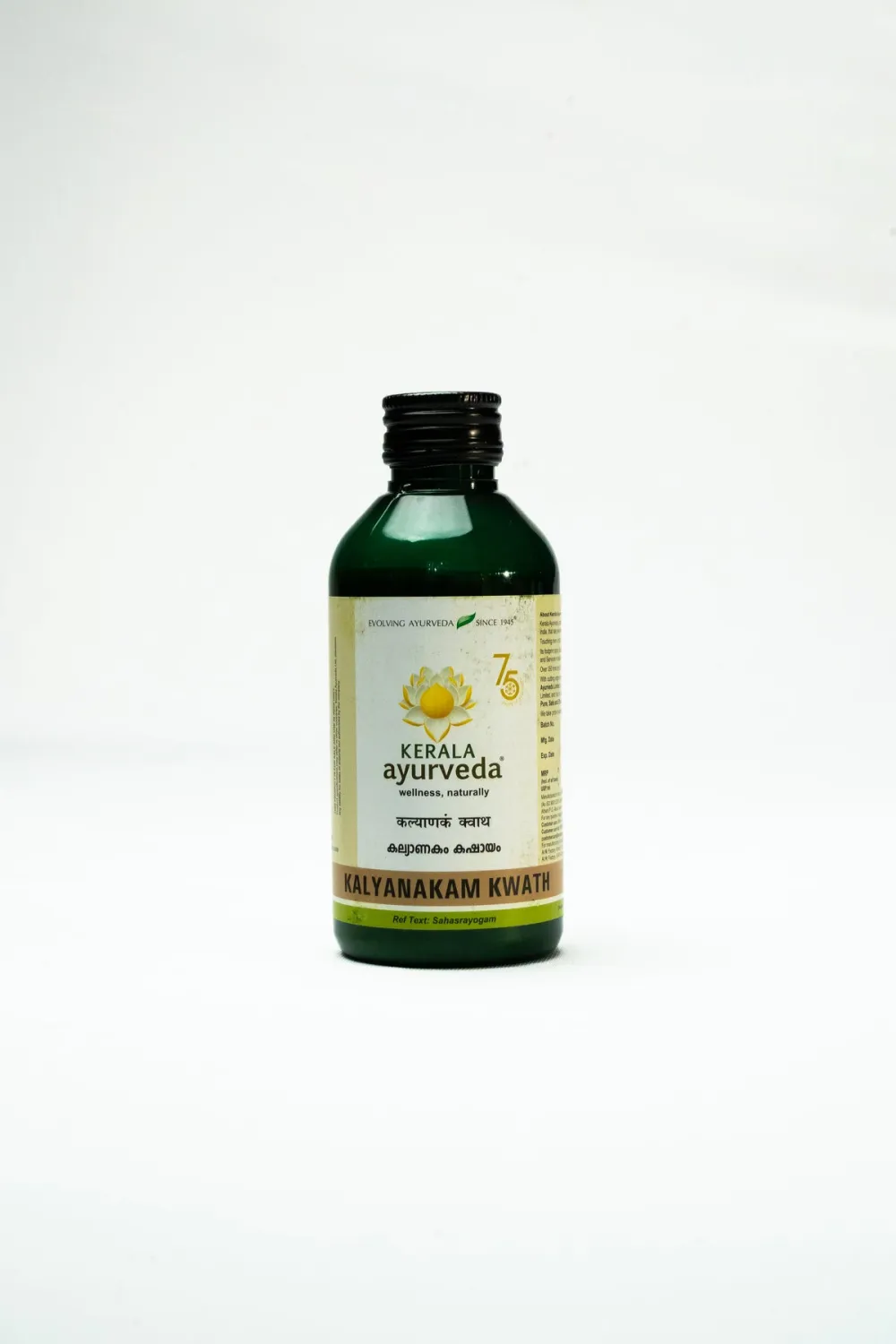
Herbal decoction for mental clarity, emotional balance and digestive comfort
2 sizes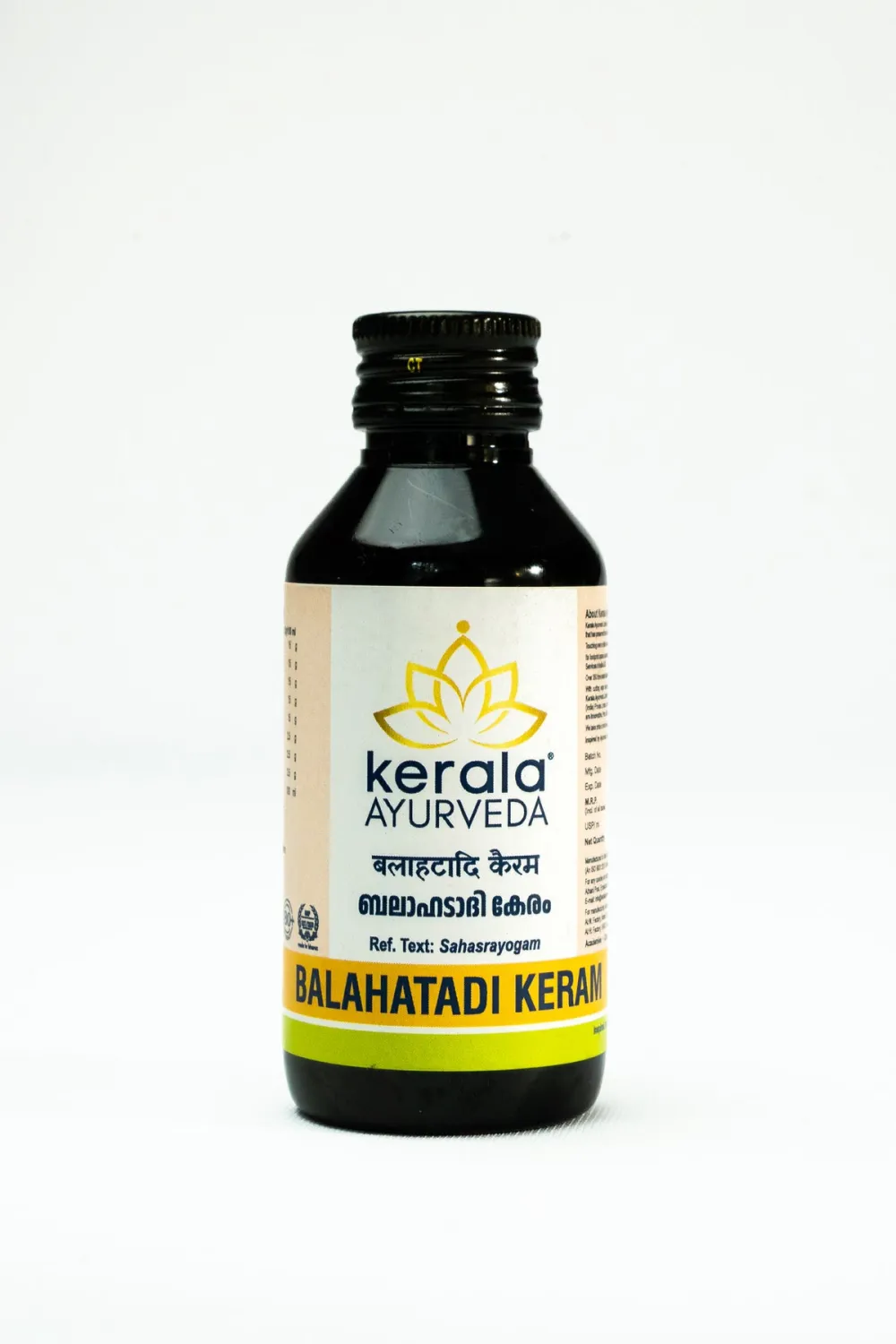
Calming coconut-oil keram for head and neck care, tension relief and restful sleep
2 sizes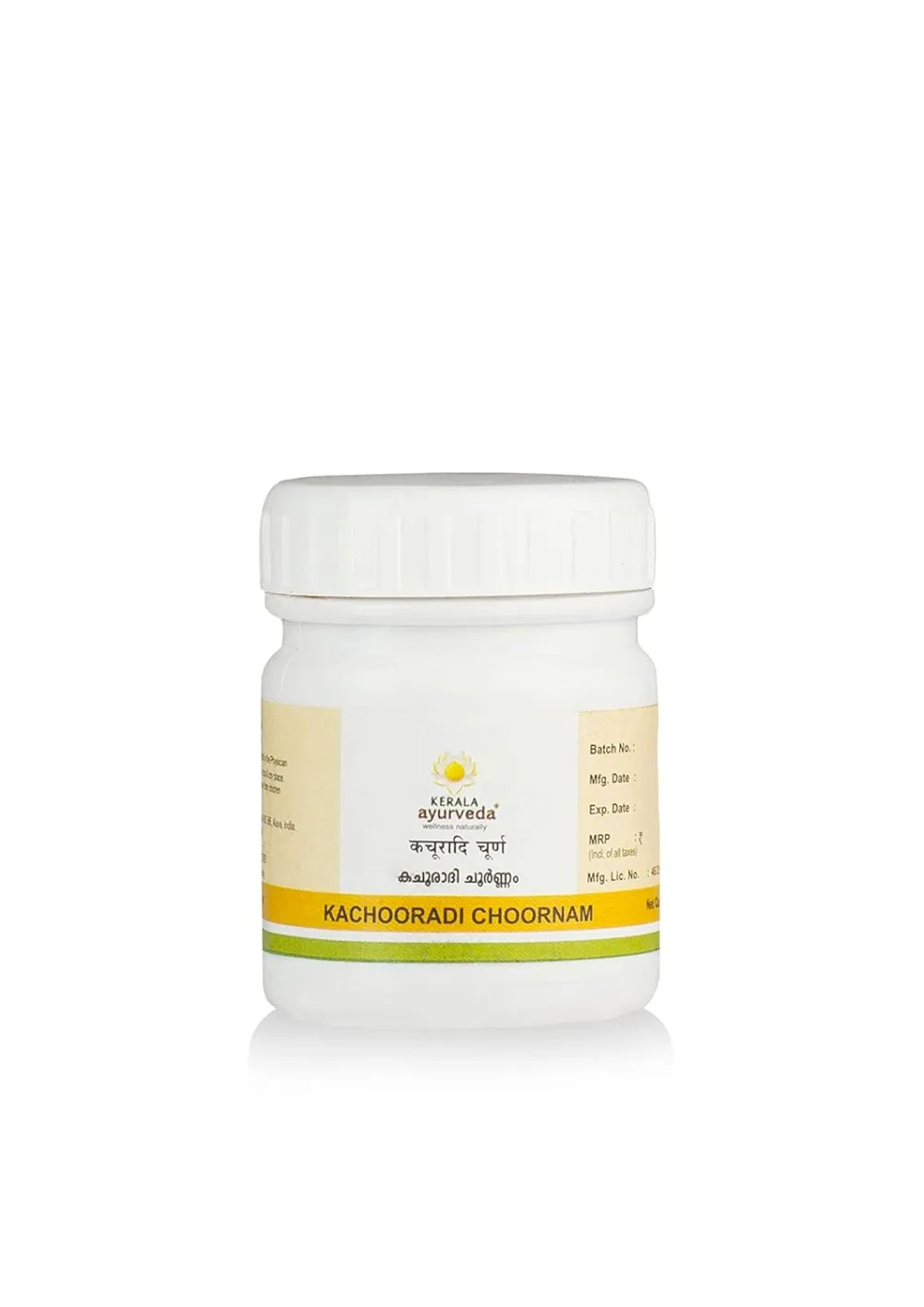
Herbal powder applied externally to ease head heaviness and support a calm mind
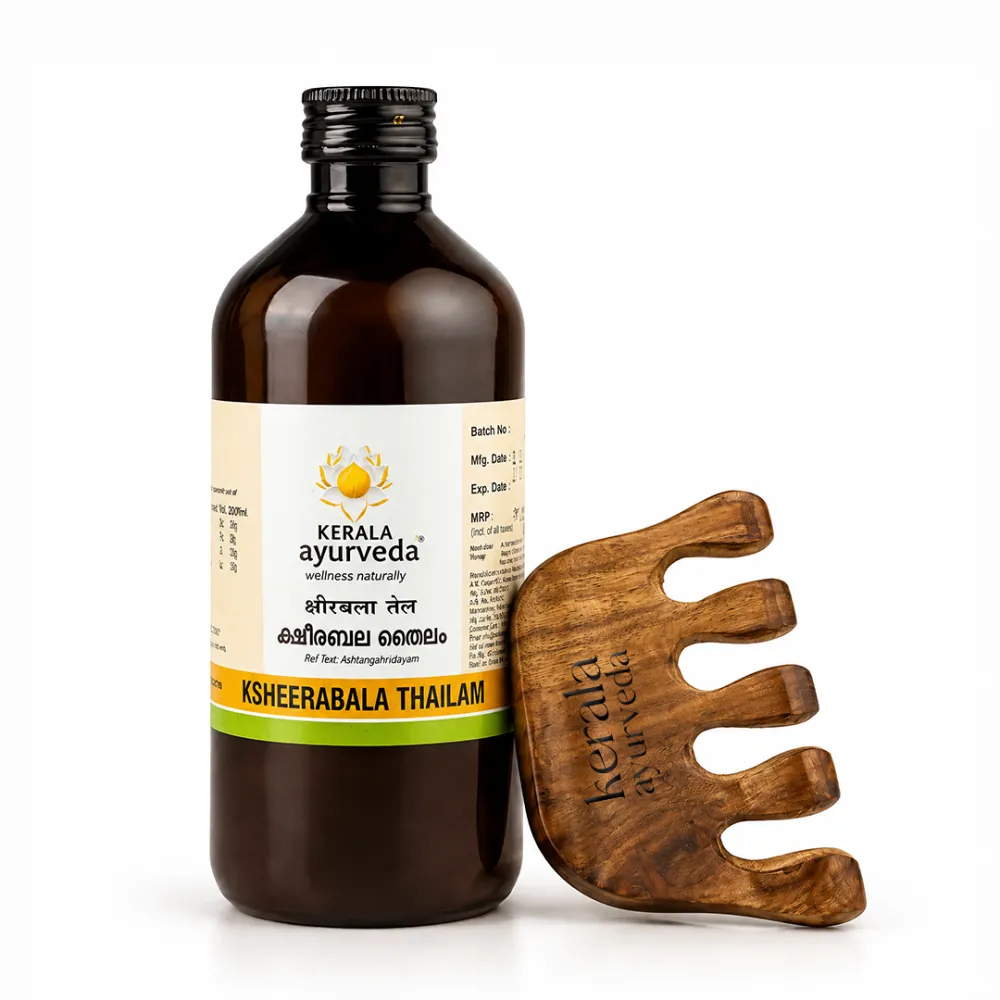
Milk-processed bala oil traditionally used for relaxation and restful sleep
2 sizesPlease note: The information on this website is for general education and reflects the traditional understanding of Kerala Ayurveda. It is not a diagnosis, a prescription or a promise of any particular result. Every treatment at Athry Ayurvedic Hospital & Wellness Centre is planned individually after an in-person consultation with a qualified Ayurvedic physician (BAMS), and outcomes vary from person to person. Please continue any medicines prescribed by your doctor unless they advise otherwise. Ayurvedic care is not a substitute for emergency, surgical or specialist medical care; if you have a medical emergency, contact your nearest hospital immediately.