
Understanding parkinson's disease support
Parkinson's disease is a progressive condition of the nervous system that affects movement. Common features include tremor, stiffness, slowness of movement and changes in balance, and many people also experience constipation, sleep problems and low mood.
Classical Ayurveda describes Kampavata, a Vata disorder characterised by tremor (kampa). Depletion and dryness of the tissues, together with disturbed Vata in the nervous system, are considered central, so treatment emphasises nourishing, grounding therapies.
Parkinson's disease requires ongoing neurological care. Our programme is supportive and complementary, aiming to improve comfort and quality of life. We ask that you continue all prescribed medicines and keep your neurologist informed.
What people notice
- Tremor, often in one hand at rest
- Stiffness and rigidity of the muscles
- Slowness of movement and smaller steps
- Changes in balance and posture
- Constipation and disturbed sleep
- Softer voice, smaller handwriting and reduced facial expression
The Ayurvedic view
- Loss of dopamine-producing cells in the brain, the cause of which is not fully understood
- Age and genetic factors
- In Ayurvedic terms, Vata aggravation with depletion of the tissues (Dhatukshaya)
- Possible environmental factors, such as exposure to certain chemicals
How we treat it at Athry
Assessment
Review of your neurological diagnosis and medicines, a functional assessment, Nadi Pariksha and Prakriti assessment. Goals are set together with you and your family.
Preparation
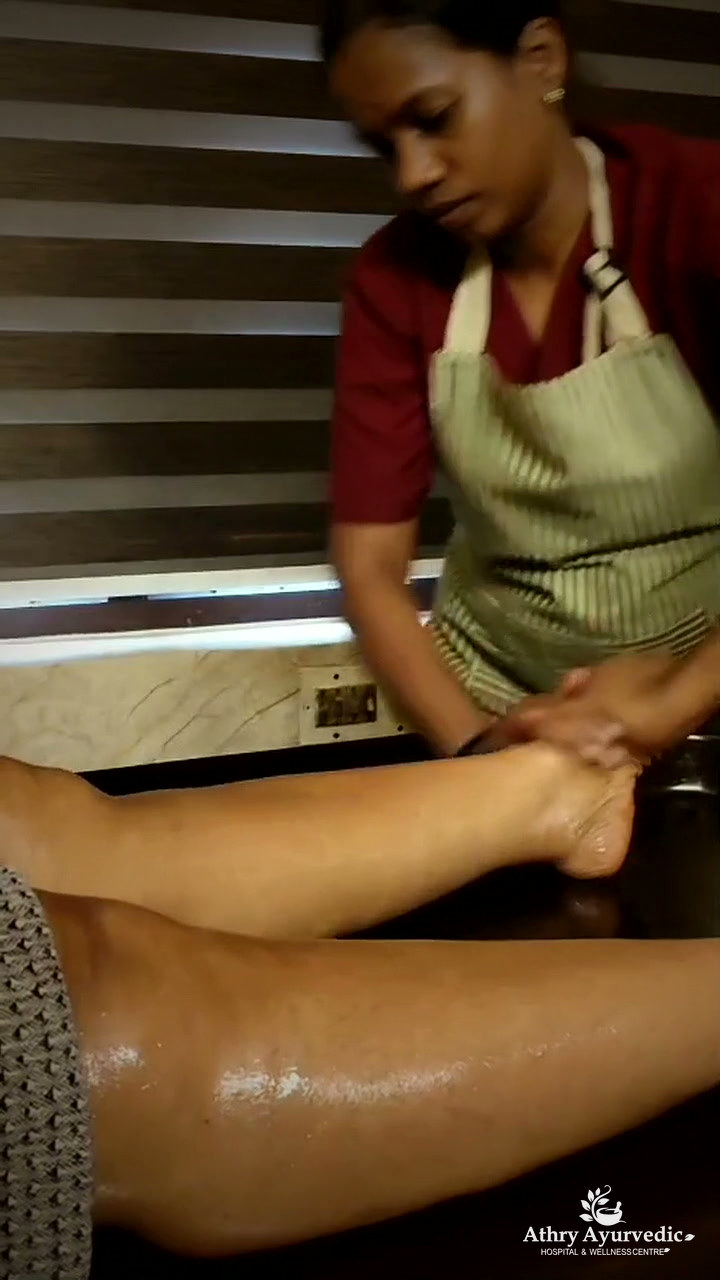
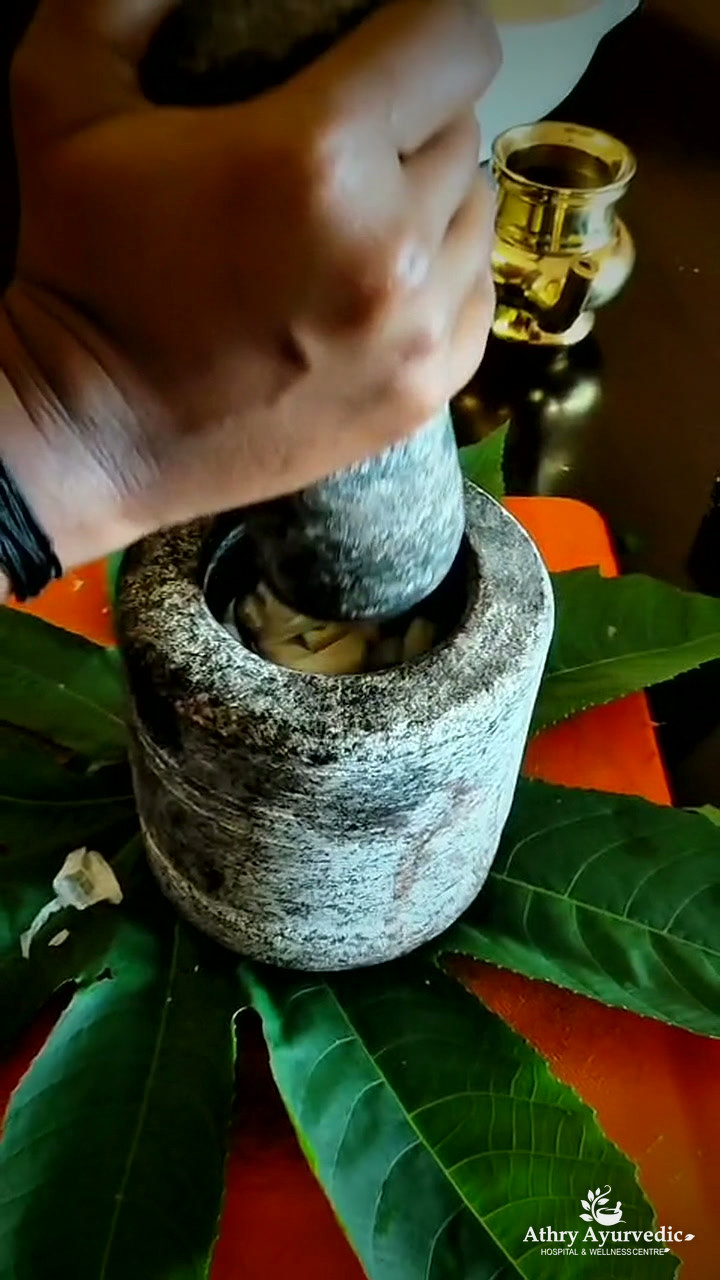
Digestion and bowel regularity are supported. Daily Abhyanga with Vata-pacifying oils prepares and nourishes the body.
Core therapies
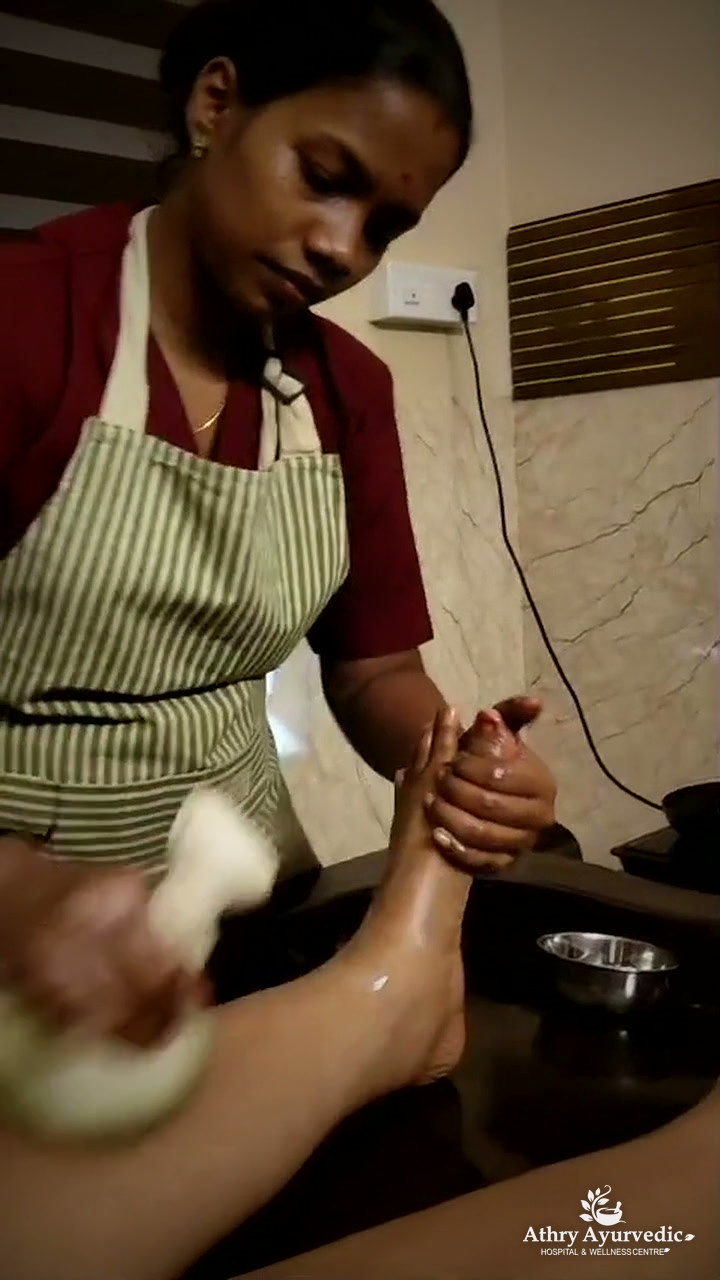
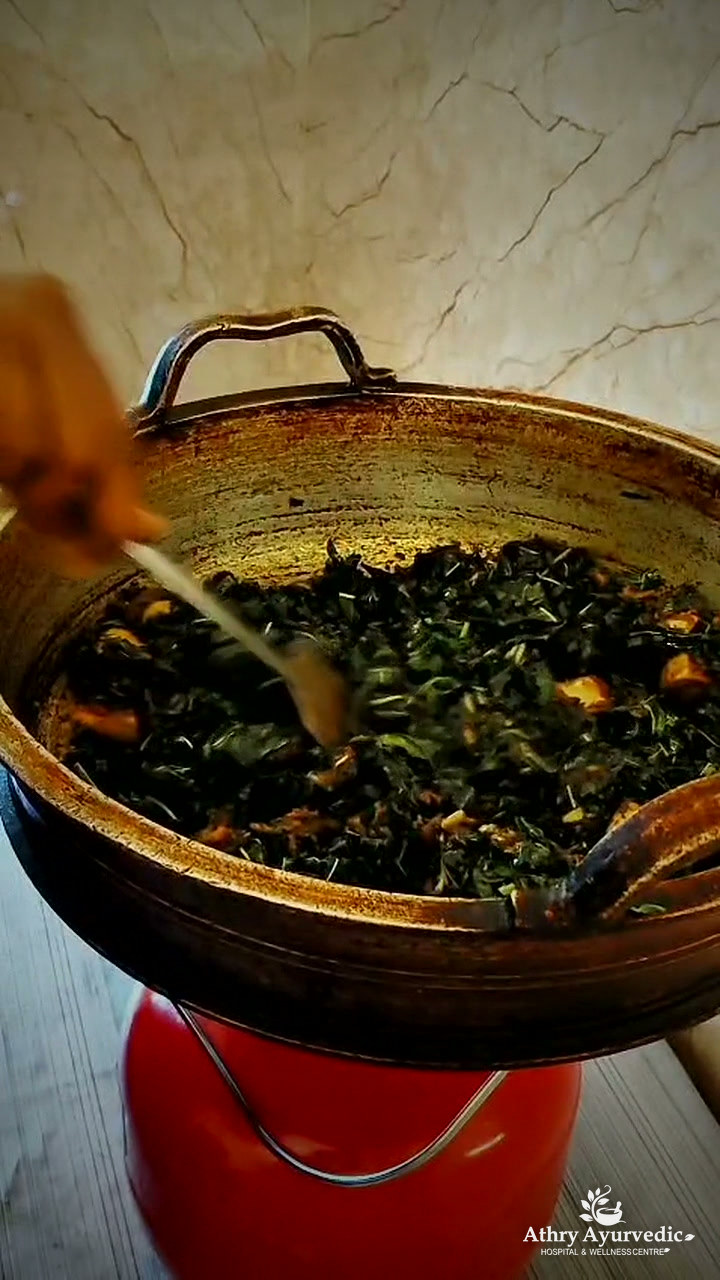
Njavarakizhi and Pizhichil to nourish muscles and ease rigidity, Shirodhara for sleep and calm, and Vasti and Nasya after physician assessment.
Rasayana & aftercare
Rasayana medicines, a home exercise and balance routine, fall-prevention advice and regular coordination with your neurologist.
Classical procedures in this plan
What it may help with
- May help ease muscle stiffness and discomfort
- Supports better sleep and bowel regularity
- Aims to improve general wellbeing and energy
- Supports balance and mobility work through supple tissues
- Offers families practical guidance for care at home
Diet & lifestyle guidance
- Eat warm, moist, nourishing food with a little ghee
- Include fibre-rich cooked vegetables, fruits and adequate water to ease constipation
- Follow your neurologist's advice on the timing of protein-rich meals in relation to your medicines
- Keep a regular routine of meals, sleep and gentle exercise
- Make the home safe from falls: good lighting, rails and non-slip mats
Frequently asked
Can Ayurveda stop Parkinson's disease from progressing?
Can I reduce my Parkinson's medicines during treatment?
How often should the programme be repeated?
Products often used alongside care
Please take classical medicines only on a physician’s advice.
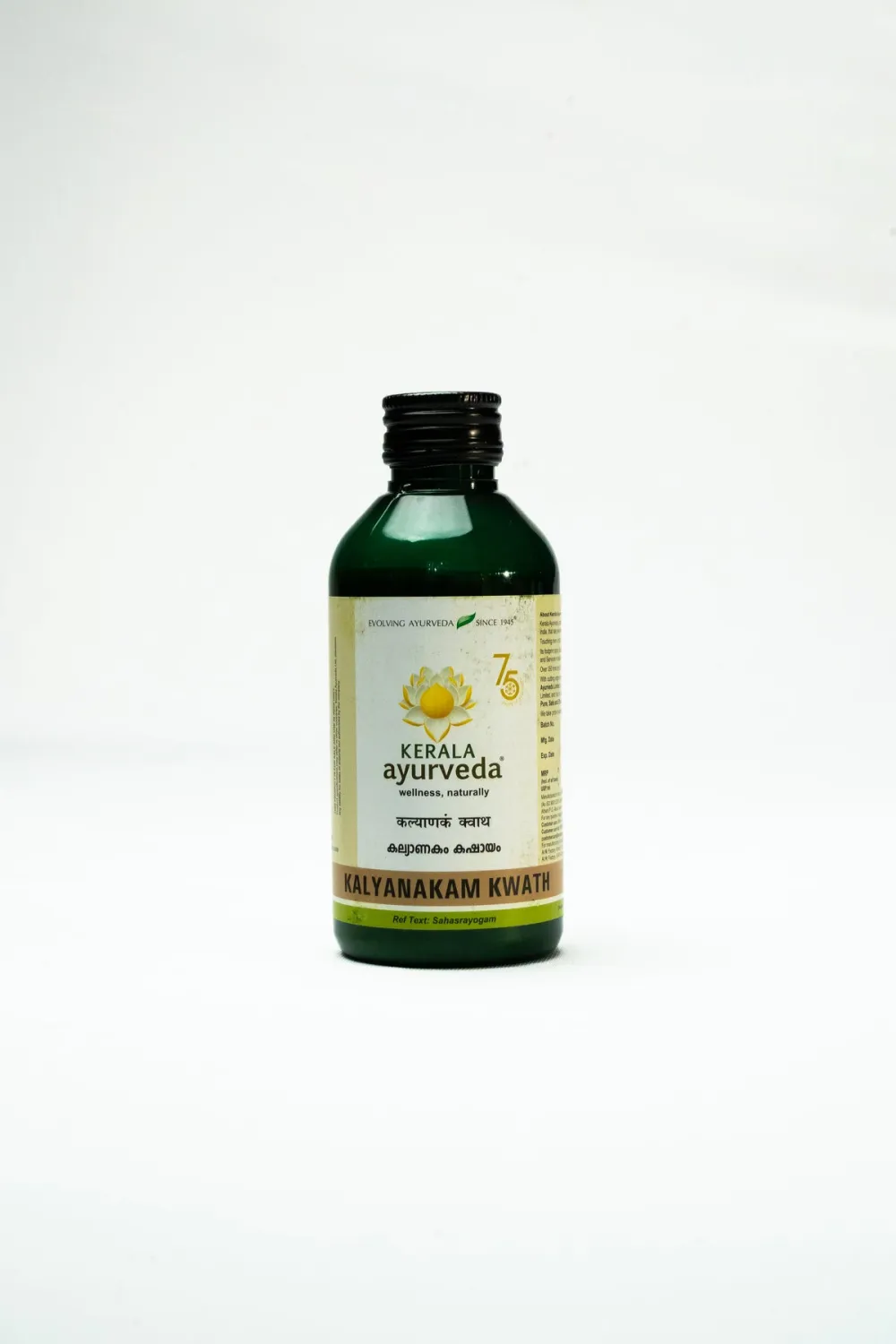
Herbal decoction for mental clarity, emotional balance and digestive comfort
2 sizes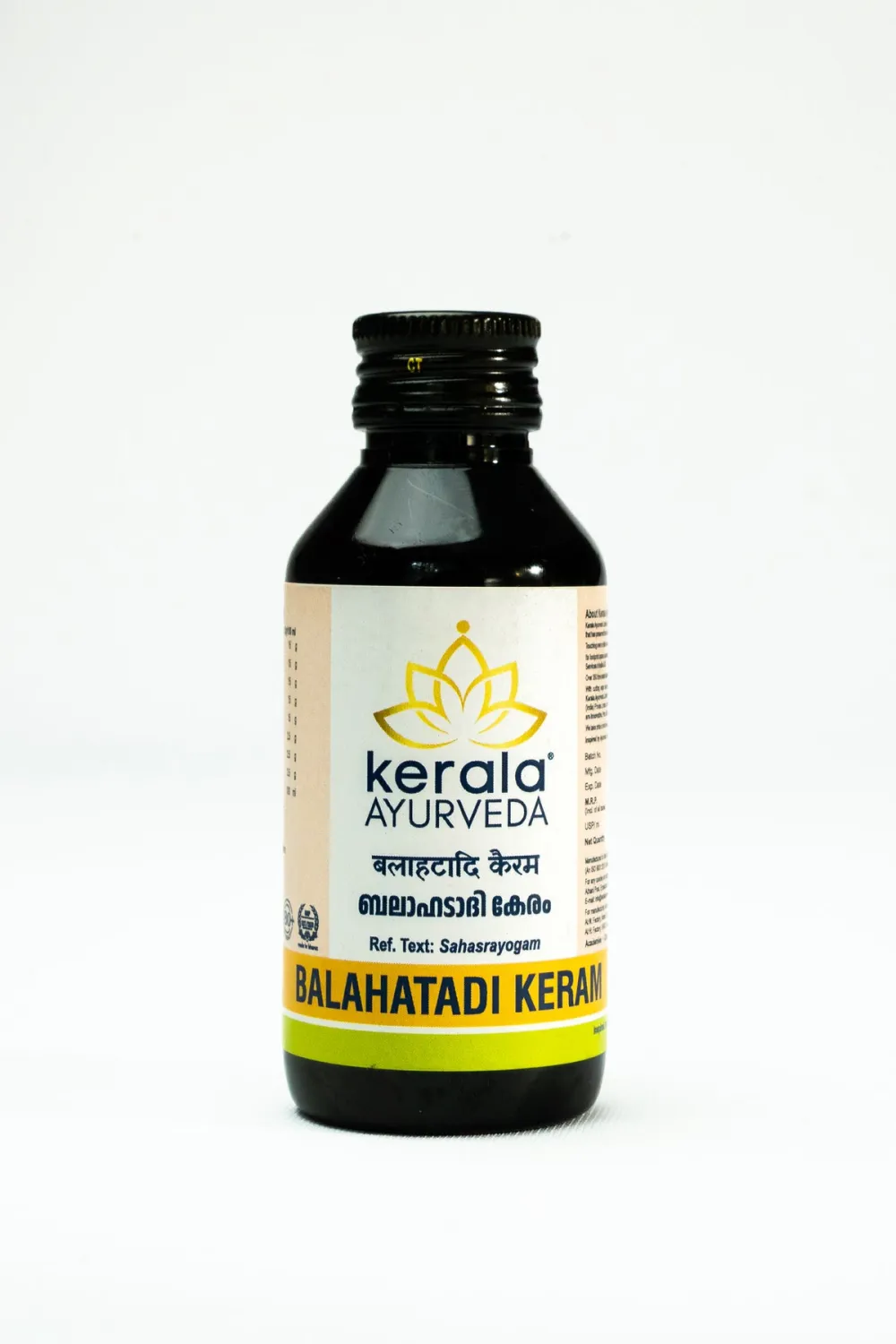
Calming coconut-oil keram for head and neck care, tension relief and restful sleep
2 sizes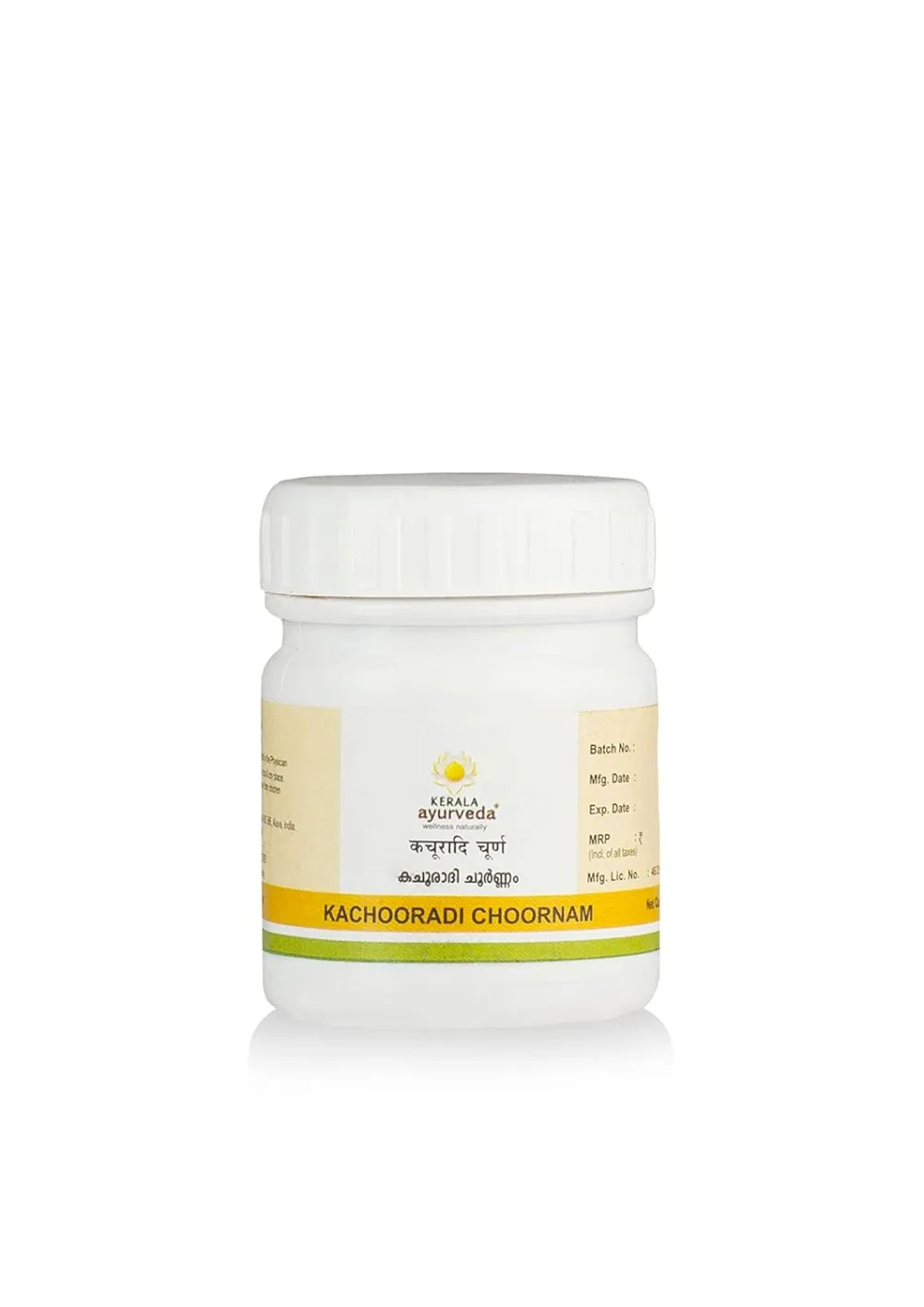
Herbal powder applied externally to ease head heaviness and support a calm mind
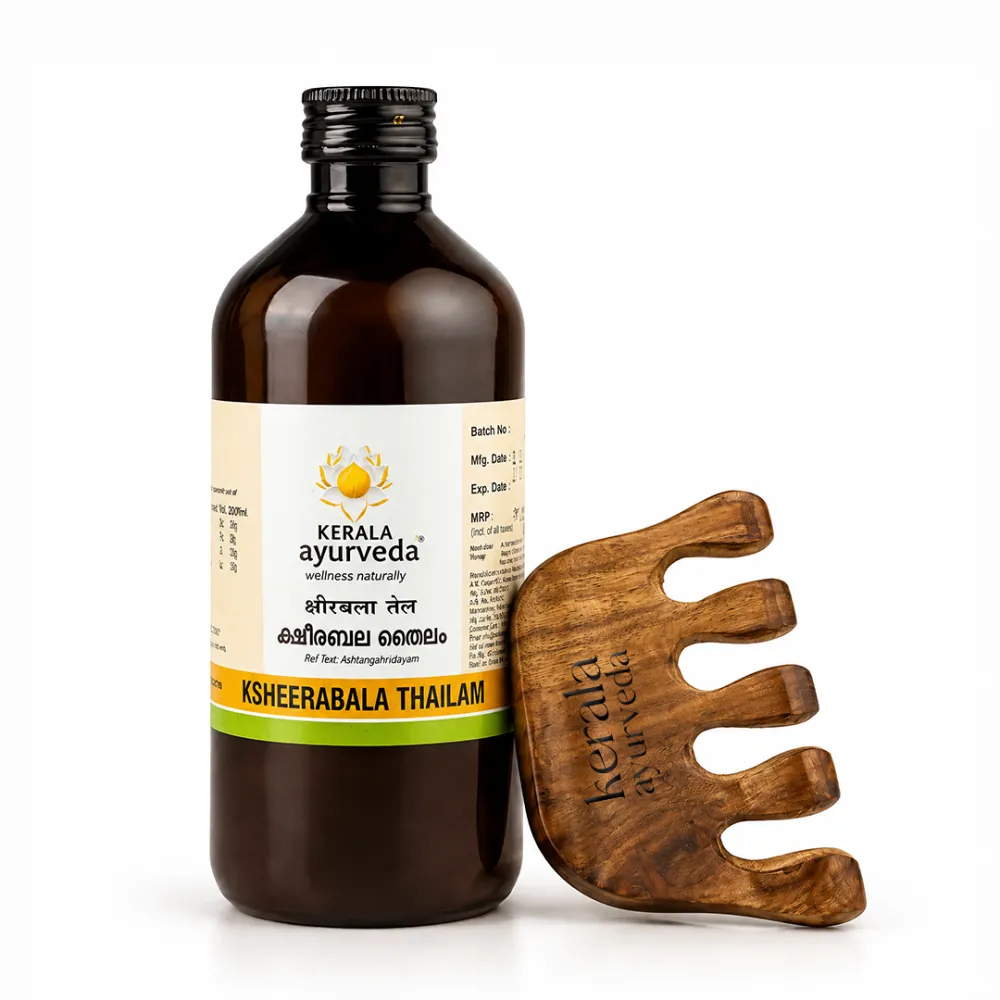
Milk-processed bala oil traditionally used for relaxation and restful sleep
2 sizesPlease note: The information on this website is for general education and reflects the traditional understanding of Kerala Ayurveda. It is not a diagnosis, a prescription or a promise of any particular result. Every treatment at Athry Ayurvedic Hospital & Wellness Centre is planned individually after an in-person consultation with a qualified Ayurvedic physician (BAMS), and outcomes vary from person to person. Please continue any medicines prescribed by your doctor unless they advise otherwise. Ayurvedic care is not a substitute for emergency, surgical or specialist medical care; if you have a medical emergency, contact your nearest hospital immediately.