
Understanding migraine & headache
Migraine is a recurring headache, often on one side of the head, that may be throbbing and accompanied by nausea, sensitivity to light and sound, or visual disturbances. Tension-type headaches feel more like a band of pressure around the head. Both can be triggered by stress, poor sleep, skipped meals and screen strain.
Classical texts describe Ardhavabhedaka, a headache affecting half of the head, as a condition involving all three doshas, with Vata and Pitta usually most prominent. Heat, sun exposure, hunger, acidity and emotional strain are commonly described triggers.
Treatment aims to calm the doshas involved, address digestion and lifestyle triggers and reduce the overall sensitivity of the system, with the goal of fewer and milder episodes.
What people notice
- Recurrent headache, often one-sided and throbbing
- Nausea or vomiting during attacks
- Sensitivity to light, sound or smells
- Visual disturbances or aura before the headache in some people
- A band-like pressure around the head in tension headaches
- Neck and shoulder tightness, and tiredness after attacks
The Ayurvedic view
- Stress, anxiety and emotional strain
- Irregular sleep, late nights and long screen hours
- Skipping meals, fasting and acidity
- Excess sun and heat exposure, and Pitta-aggravating foods
- Hormonal changes around periods in some women
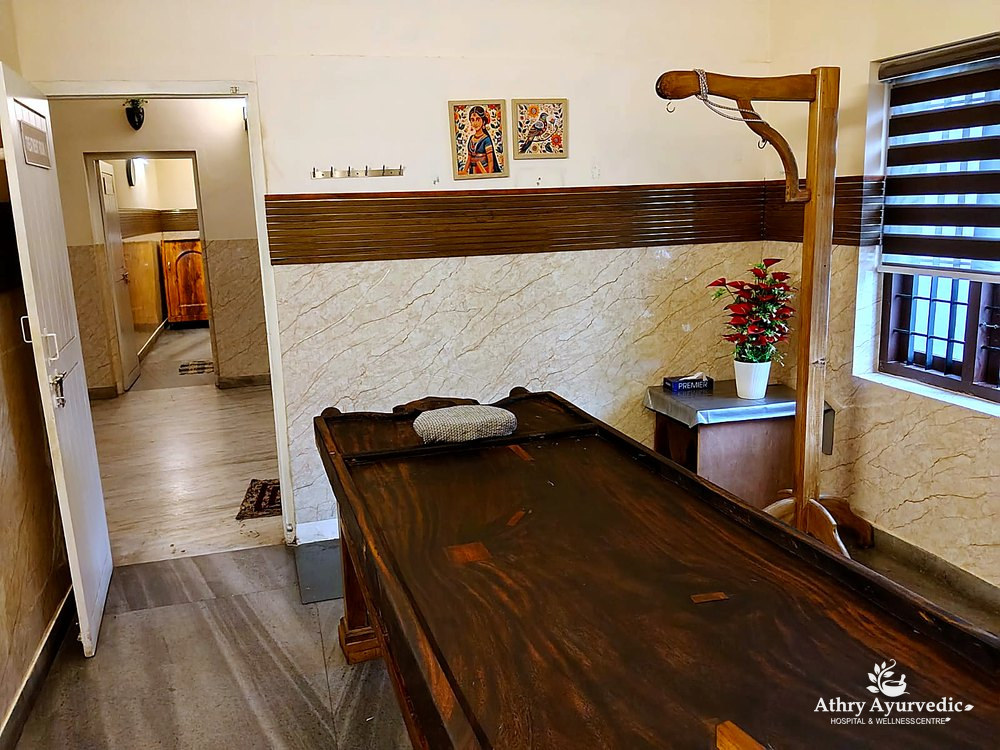
How we treat it at Athry
Assessment
A detailed headache history and diary review, Nadi Pariksha and Prakriti assessment. Any unusual features that need neurological investigation are identified and referred.
Preparation
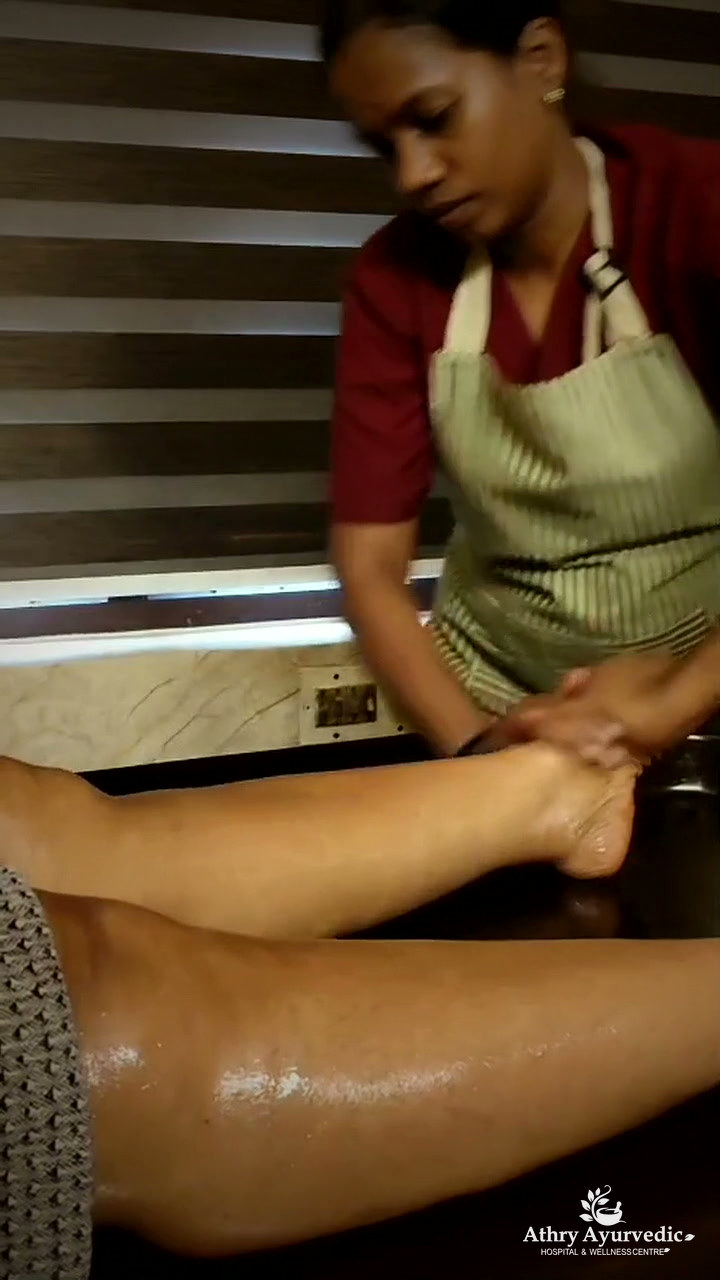
Digestion and bowel habits are regulated. Abhyanga of the head, neck and shoulders relaxes muscle tension. If Pitta is high, mild Virechana may be advised after physician assessment.
Core therapies
Nasya with suitable medicated oils after physician assessment, Shirodhara with medicated oil, milk or buttermilk, and Takradhara where Pitta and stress are prominent.
Rasayana & aftercare
Internal medicines, a trigger diary, sleep and screen routines, and simple breathing practices to continue at home.
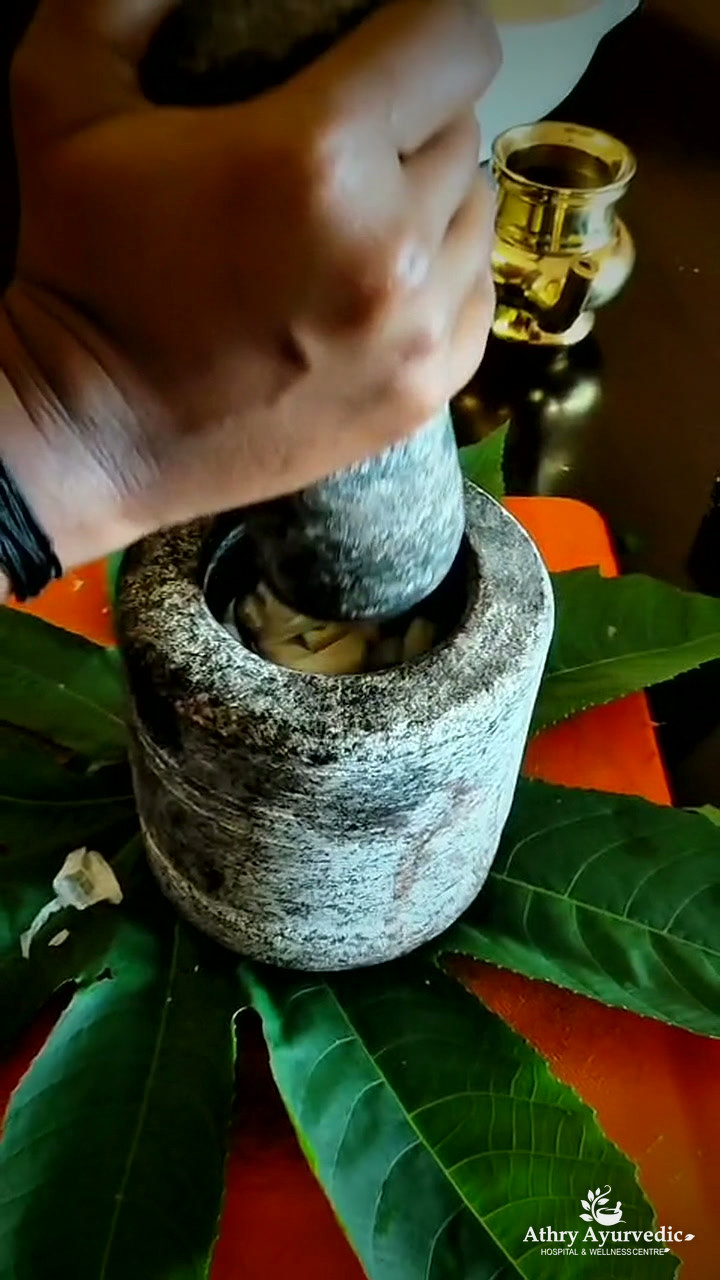
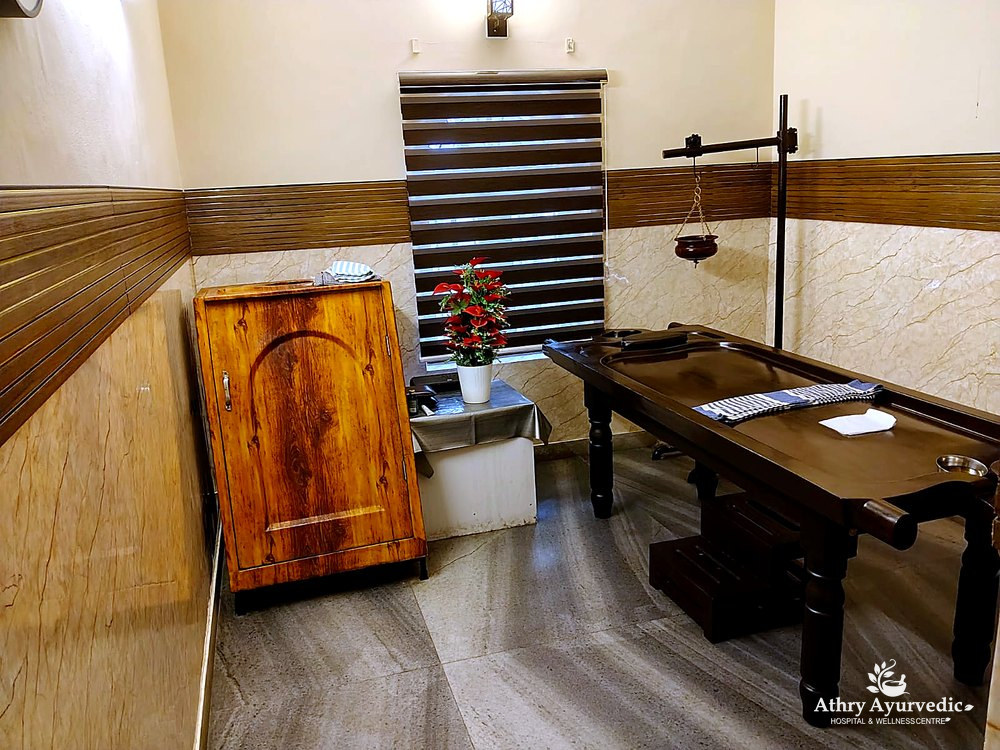
Classical procedures in this plan
What it may help with
- May help reduce the frequency and intensity of headaches
- Supports deeper sleep and a calmer nervous system
- Aims to ease neck and shoulder tension
- Helps you recognise and manage your personal triggers
- Supports digestion, which is often linked to migraine in Ayurveda
Diet & lifestyle guidance
- Eat meals at regular times; avoid long gaps and fasting
- Reduce very spicy, sour, fermented and fried foods
- Limit tea, coffee and alcohol, and stay well hydrated
- Sleep and wake at consistent times; reduce late-night screen use
- Avoid direct midday sun and practise calming breathing daily
Frequently asked
Can I continue my migraine medicines?
Is Shirodhara good for headaches?
When should a headache be checked urgently?
Products often used alongside care
Please take classical medicines only on a physician’s advice.
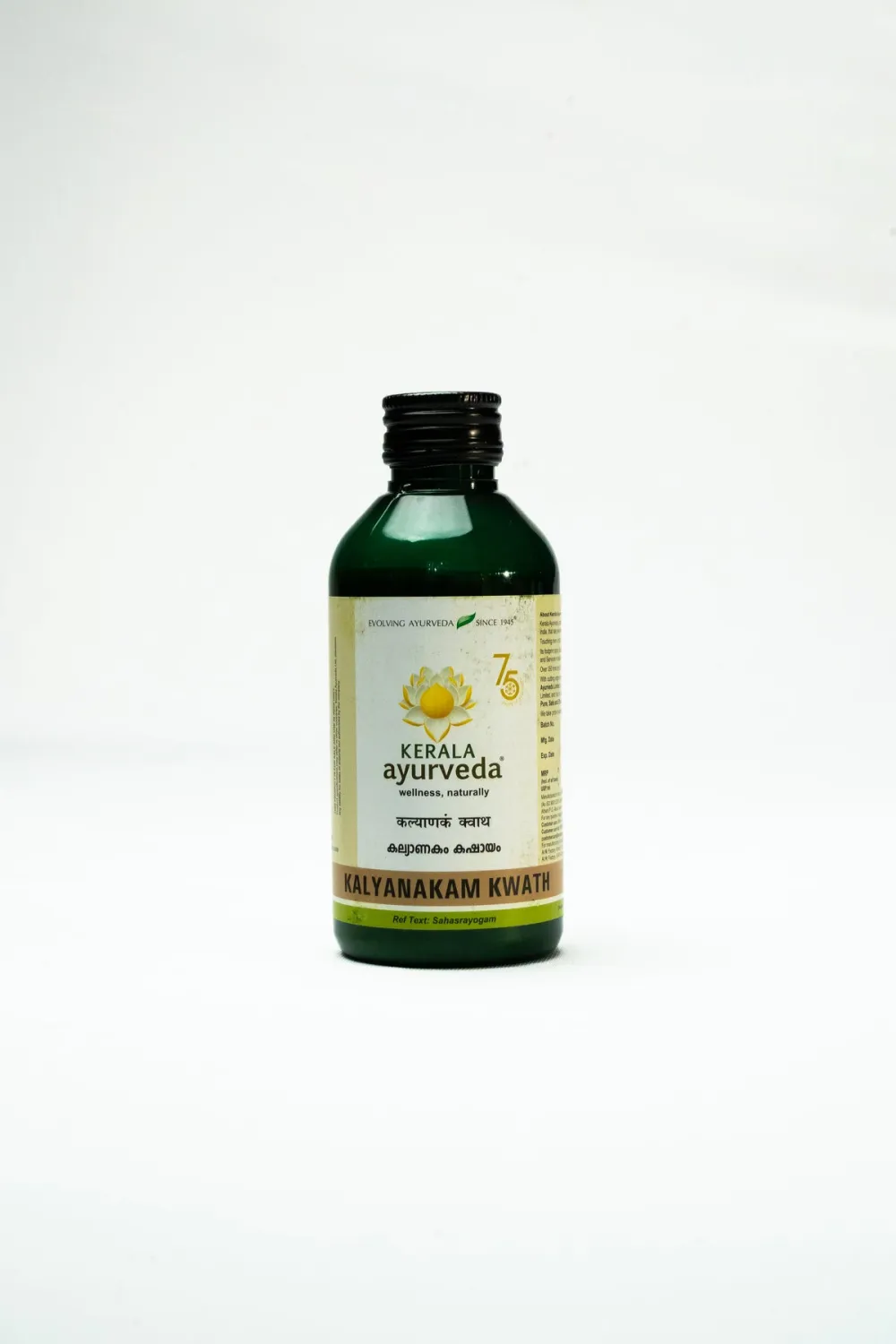
Herbal decoction for mental clarity, emotional balance and digestive comfort
2 sizes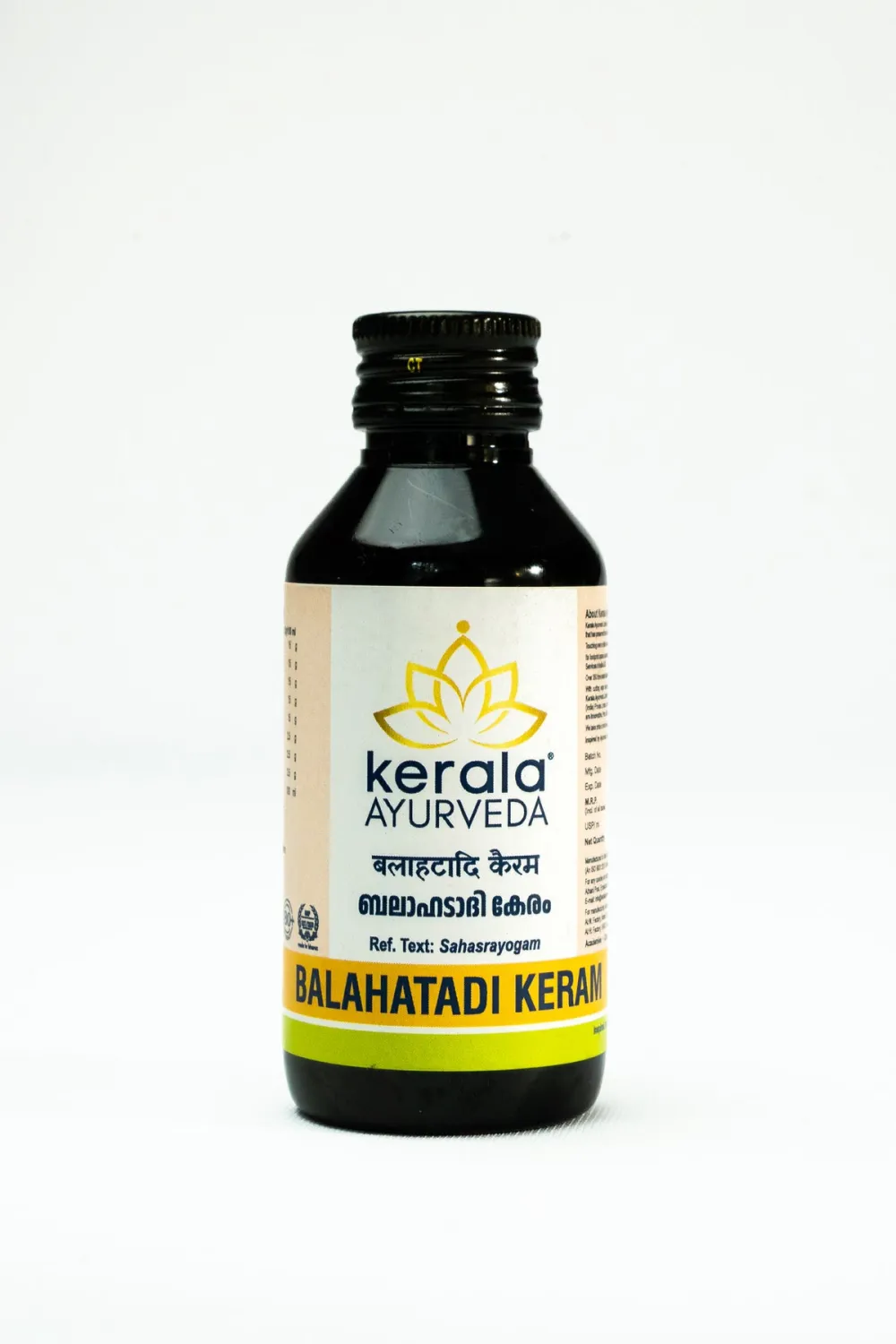
Calming coconut-oil keram for head and neck care, tension relief and restful sleep
2 sizes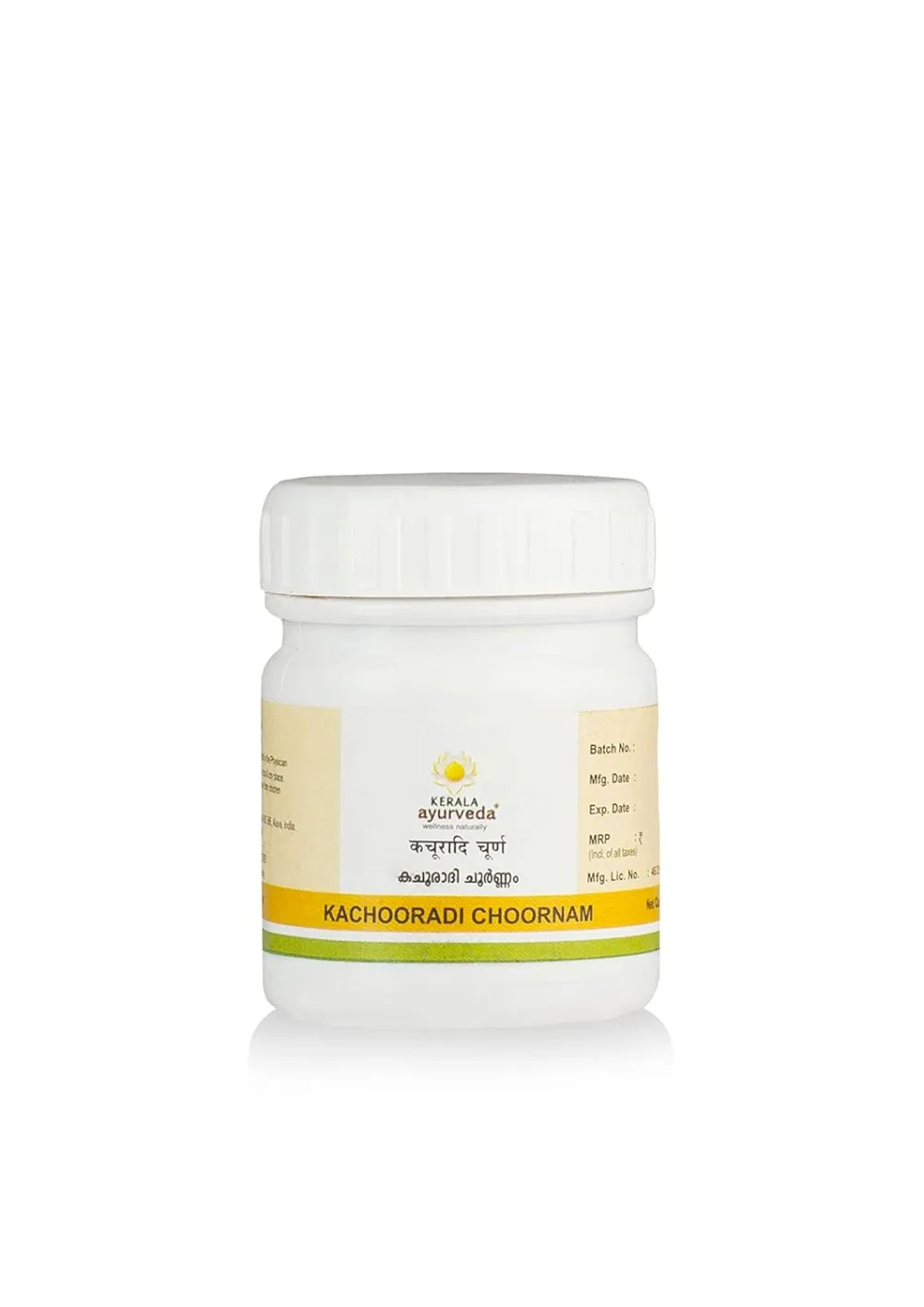
Herbal powder applied externally to ease head heaviness and support a calm mind
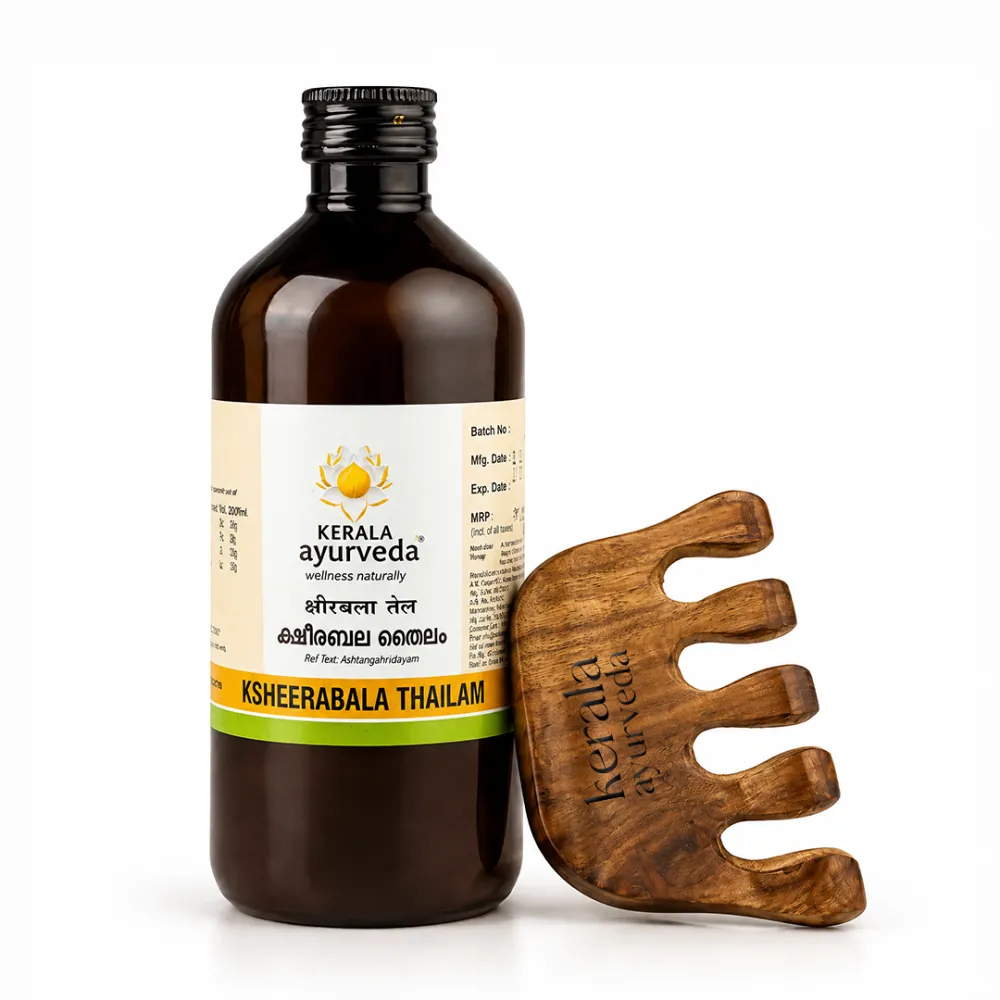
Milk-processed bala oil traditionally used for relaxation and restful sleep
2 sizesPlease note: The information on this website is for general education and reflects the traditional understanding of Kerala Ayurveda. It is not a diagnosis, a prescription or a promise of any particular result. Every treatment at Athry Ayurvedic Hospital & Wellness Centre is planned individually after an in-person consultation with a qualified Ayurvedic physician (BAMS), and outcomes vary from person to person. Please continue any medicines prescribed by your doctor unless they advise otherwise. Ayurvedic care is not a substitute for emergency, surgical or specialist medical care; if you have a medical emergency, contact your nearest hospital immediately.