
Understanding insomnia, stress & anxiety
Difficulty falling asleep, waking frequently, or waking unrefreshed are common in today's busy lives. Long-term stress and anxiety can show up as restlessness, racing thoughts, irritability, tiredness and physical tension.
Ayurveda calls sleeplessness Anidra and links it mainly to increased Vata, and sometimes Pitta, affecting the mind. Healthy sleep (Nidra) is described as one of the three pillars of life, and is closely related to the quality of Tarpaka Kapha, which nourishes and steadies the mind.
Our care combines calming therapies with practical changes to routine, food and evening habits. For diagnosed anxiety or depression, we work alongside your psychiatrist or counsellor and do not ask you to stop any medicines.
What people notice
- Difficulty falling asleep or staying asleep
- Waking early and being unable to return to sleep
- Feeling tired and unrefreshed during the day
- Racing thoughts, worry or restlessness
- Irritability and difficulty concentrating
- Muscle tension, headaches or digestive upset linked to stress
The Ayurvedic view
- Ongoing work, family or financial stress
- Late nights, irregular schedules and screen use before bed
- Excess tea, coffee or stimulants, especially later in the day
- Vata-aggravating habits: skipped meals, overwork and constant travel
- Grief, worry or major life changes
How we treat it at Athry
Assessment
A conversation about sleep, stress, routine and emotional health, Nadi Pariksha and Prakriti assessment. We screen for conditions that need medical or psychological care.
Preparation
Daily Abhyanga with calming oils and a gentle, regular routine of meals and rest begin to settle Vata.
Core therapies
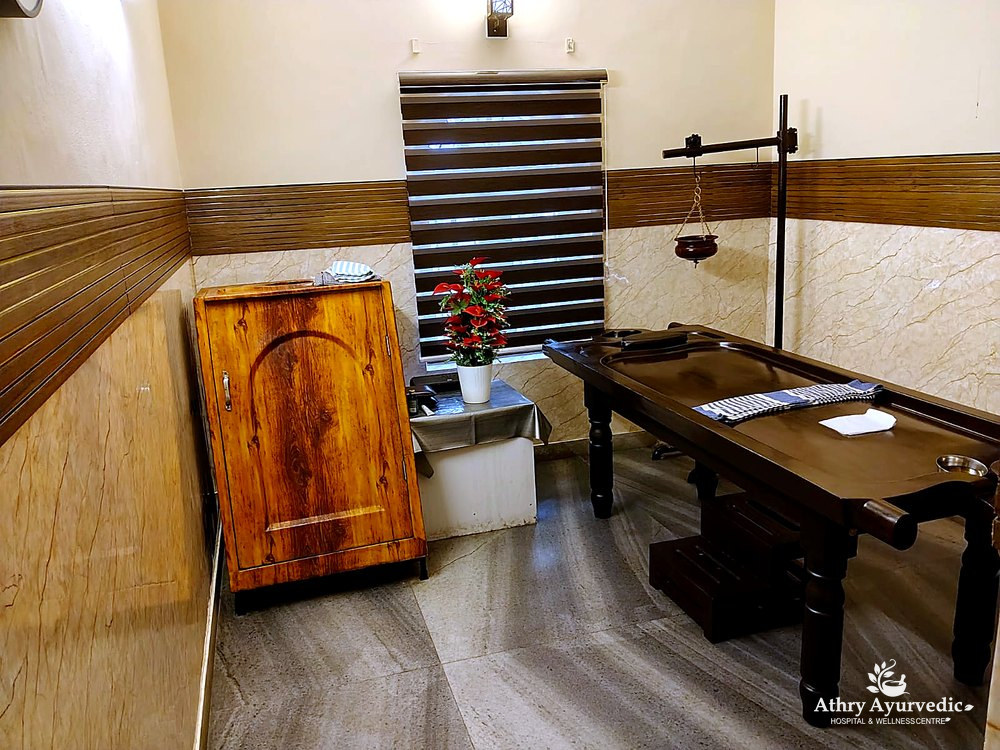
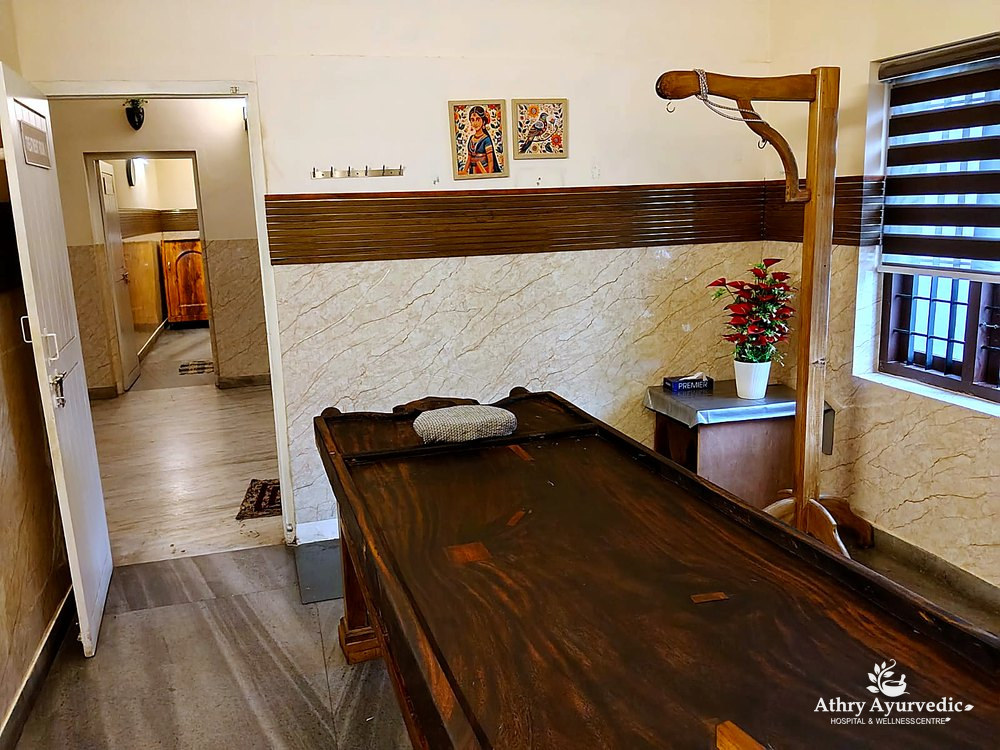
Shirodhara, with medicated oil, milk or buttermilk (Takradhara), forms the heart of the programme. Nasya may be added after physician assessment. Breathing practices and quiet time are built into each day.
Rasayana & aftercare
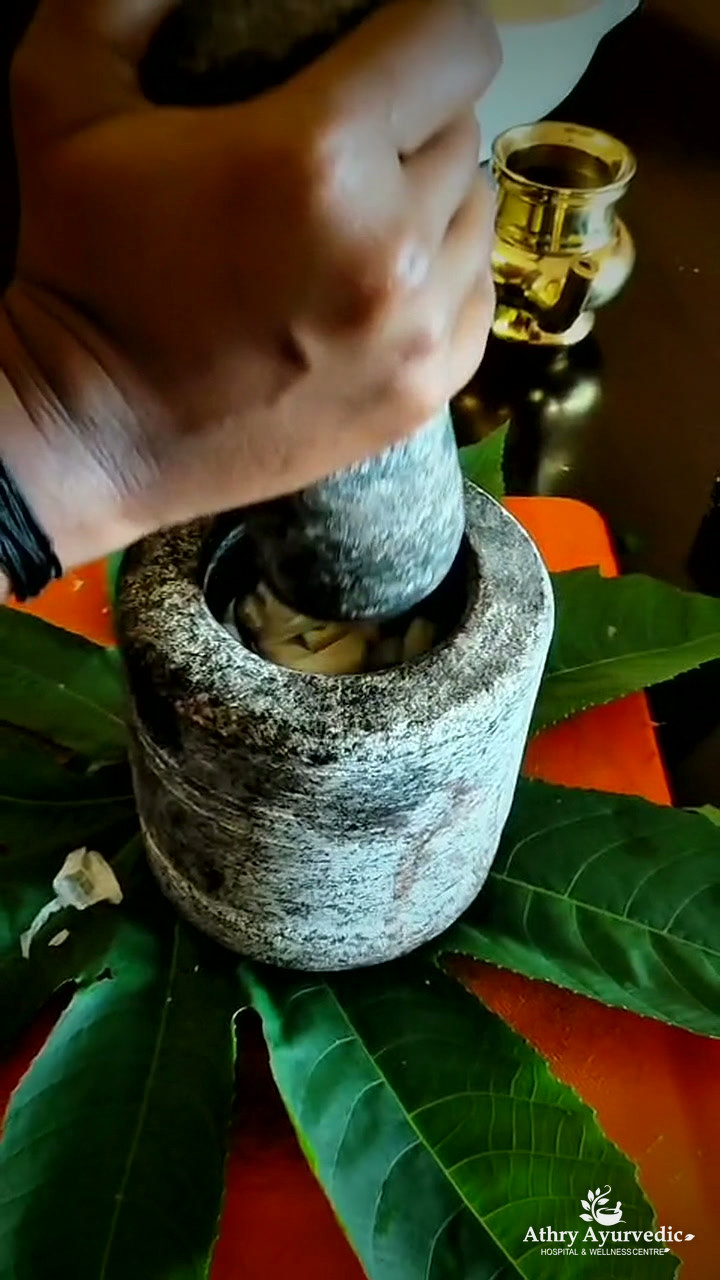
Medhya (mind-nourishing) Rasayanas, a personalised evening routine, self-massage instructions and guidance on sleep hygiene for home.
Classical procedures in this plan

What it may help with
- May help you fall asleep more easily and sleep more deeply
- Supports a calmer, steadier state of mind
- Aims to ease physical tension held in the body
- Helps establish a sustainable daily and evening routine
- Supports energy and concentration during the day
Diet & lifestyle guidance
- Eat a light, warm dinner at least two to three hours before bed
- A cup of warm milk with a pinch of nutmeg or cardamom at night is traditionally advised, if it suits you
- Avoid tea and coffee after mid-afternoon
- Switch off screens an hour before bed and keep the bedroom dark and quiet
- Apply warm oil to the soles of the feet and scalp before sleep
Frequently asked
How many Shirodhara sessions will I need?
Can I take this treatment while on sleeping tablets or anti-anxiety medicines?
Is this a residential programme?
Products often used alongside care
Please take classical medicines only on a physician’s advice.

Herbal decoction for mental clarity, emotional balance and digestive comfort
2 sizes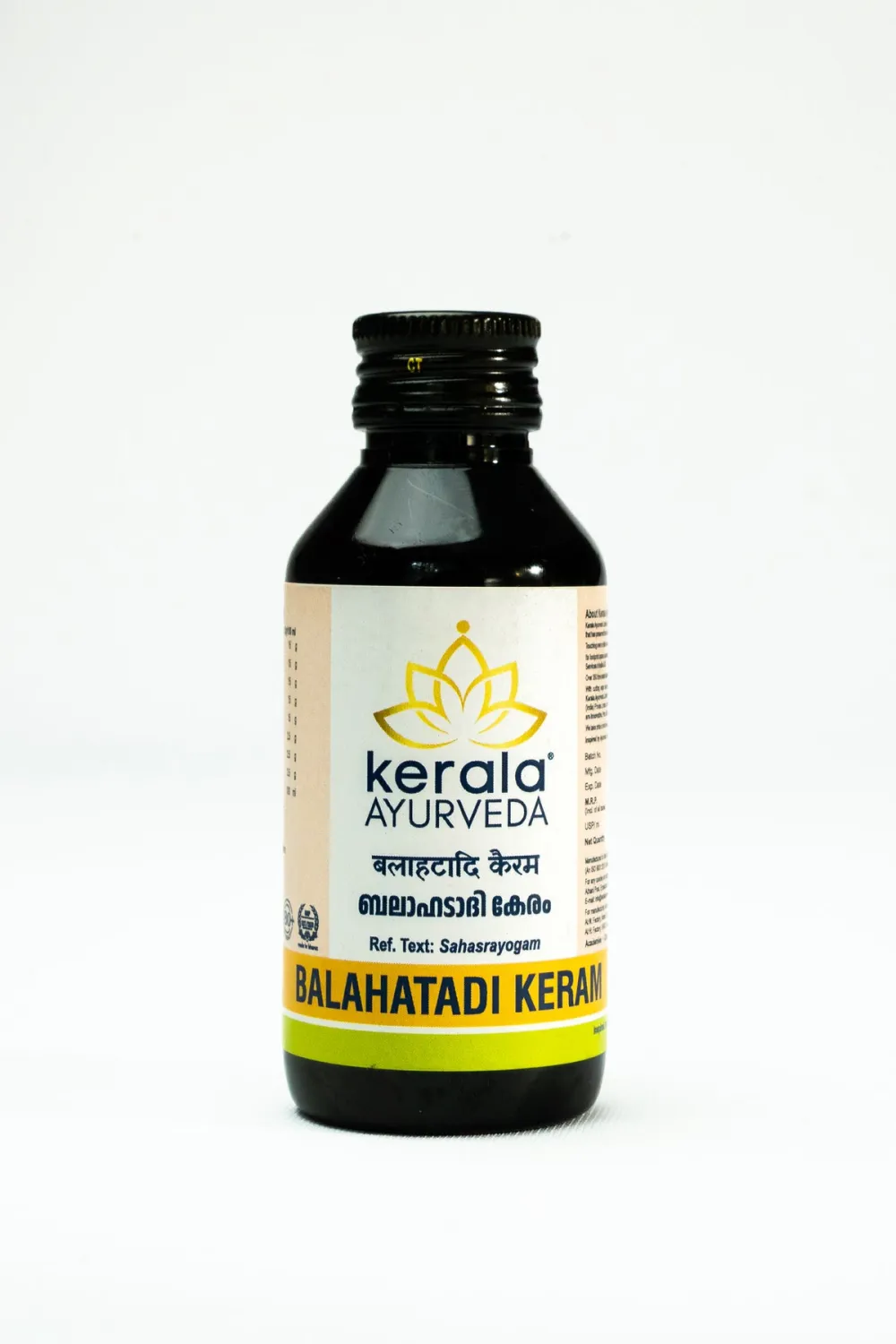
Calming coconut-oil keram for head and neck care, tension relief and restful sleep
2 sizes
Herbal powder applied externally to ease head heaviness and support a calm mind

Milk-processed bala oil traditionally used for relaxation and restful sleep
2 sizesPlease note: The information on this website is for general education and reflects the traditional understanding of Kerala Ayurveda. It is not a diagnosis, a prescription or a promise of any particular result. Every treatment at Athry Ayurvedic Hospital & Wellness Centre is planned individually after an in-person consultation with a qualified Ayurvedic physician (BAMS), and outcomes vary from person to person. Please continue any medicines prescribed by your doctor unless they advise otherwise. Ayurvedic care is not a substitute for emergency, surgical or specialist medical care; if you have a medical emergency, contact your nearest hospital immediately.