
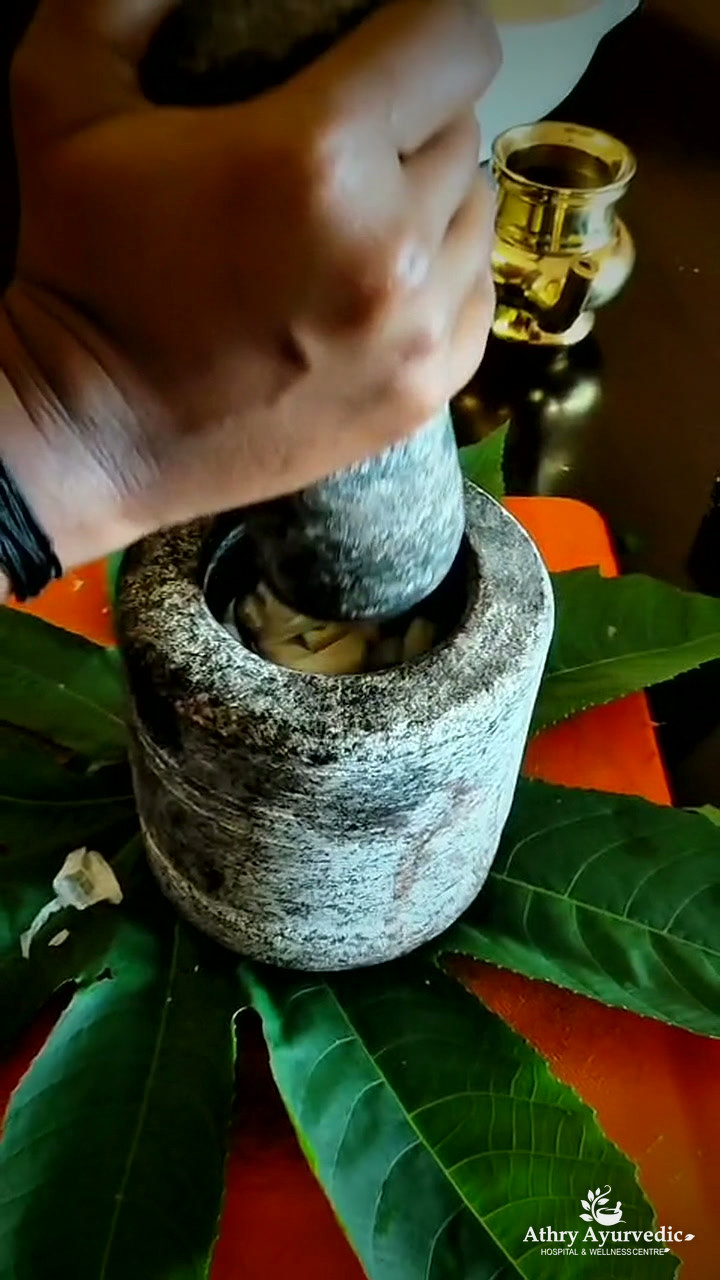
Understanding psoriasis
Psoriasis is a long-term condition in which skin cells build up too quickly, forming thick, scaly patches that may be red, itchy or painful. It commonly affects the scalp, elbows, knees and lower back, tends to flare and settle, and is often worsened by stress, infections and cold, dry weather.
Classical Ayurveda describes several conditions resembling psoriasis, most closely Ekakushta and Kitibha, among the Kushta (skin) disorders. They are understood as involving Vata and Kapha, with impurities affecting the skin, blood, muscle and lymph. Digestion and the mind are both considered important.
Treatment aims to purify, calm the skin and support digestion and emotional balance. Psoriasis is a chronic condition; we focus on managing flares and supporting longer, more comfortable periods of clearer skin, rather than promising a cure.
What people notice
- Thick, red patches covered with silvery-white scales
- Itching, burning or soreness of the patches
- Dry, cracked skin that may bleed
- Scaling of the scalp
- Pitting or thickening of the nails
- Joint pain or stiffness in some people (psoriatic arthritis)
The Ayurvedic view
- Genetic tendency and immune factors
- Incompatible food combinations (Viruddha Ahara), such as fish with milk
- Excess sour, salty, fermented and fried foods, and alcohol
- Mental stress, which commonly triggers flares
- Suppressing natural urges and irregular routine
- Cold, dry weather and skin injury
How we treat it at Athry
Assessment
Detailed skin examination, history of flares and triggers, Nadi Pariksha, Prakriti assessment and review of current medicines.
Preparation
Ama pachana with digestive medicines, followed by Snehapana, the internal intake of medicated Ghritam in increasing doses, under close supervision.
Core therapies
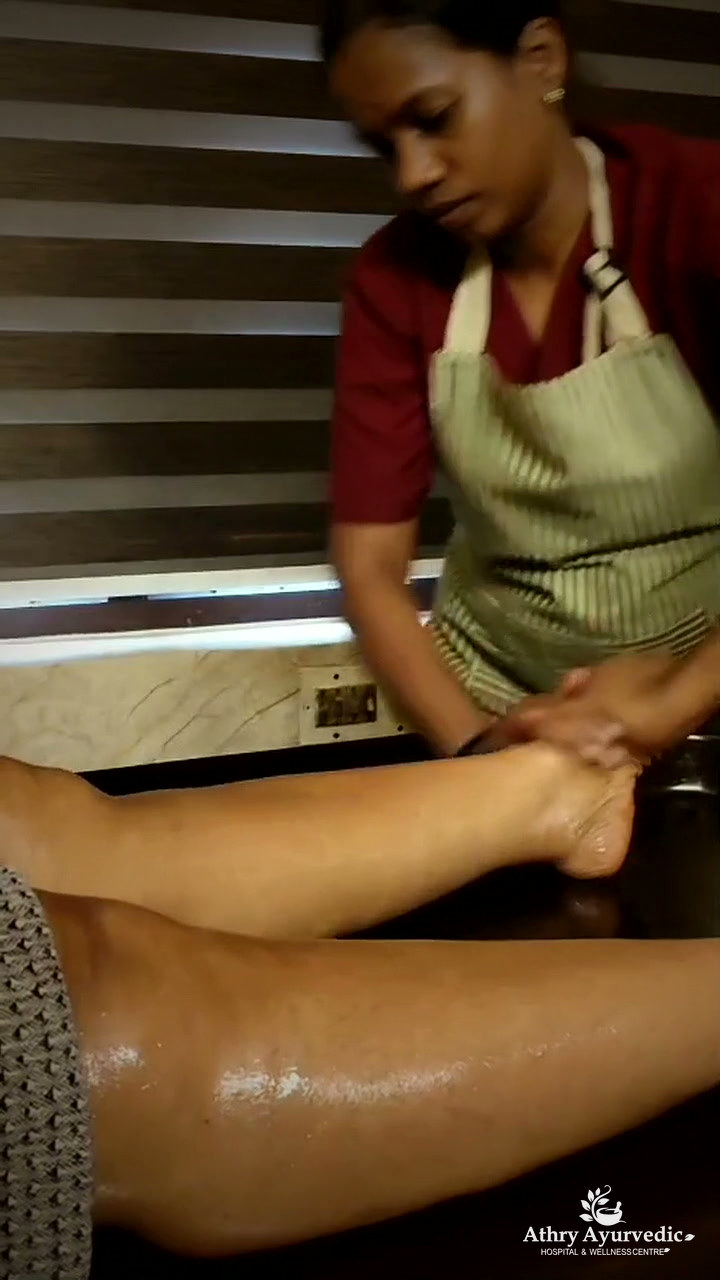
Virechana (therapeutic purgation) after physician assessment, followed by Takradhara to the head or body. In selected cases Vamana may be considered. Medicated oils and pastes are applied to the patches.
Rasayana & aftercare
Kashayams, Ghritams and external oils continue at home, with a strict Pathya diet, stress management and regular reviews.
Classical procedures in this plan
What it may help with
- May help reduce scaling, itching and redness
- Supports longer periods between flare-ups
- Aims to improve digestion and reduce known triggers
- Supports emotional calm, which is closely linked to flares
- Gives a clear diet and skin-care plan for home
Diet & lifestyle guidance
- Avoid incompatible combinations such as fish with milk or curd
- Reduce sour, salty, fermented, fried and bakery foods, and avoid alcohol
- Favour bitter vegetables such as bitter gourd, snake gourd and ash gourd
- Use lukewarm water for bathing and moisturise with prescribed oil
- Prioritise sleep and stress-reducing practices
Frequently asked
Can Ayurveda cure psoriasis?
Why is Virechana recommended for psoriasis?
Do I need to follow a strict diet?
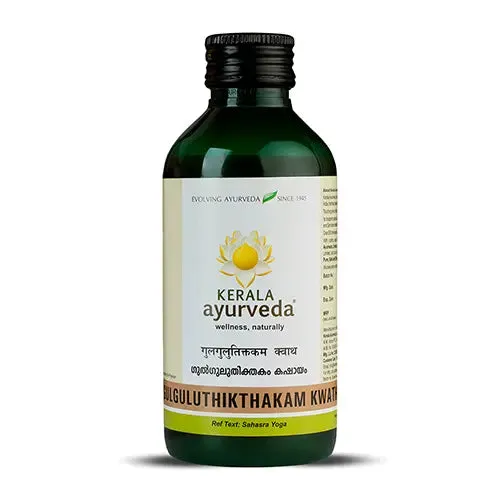
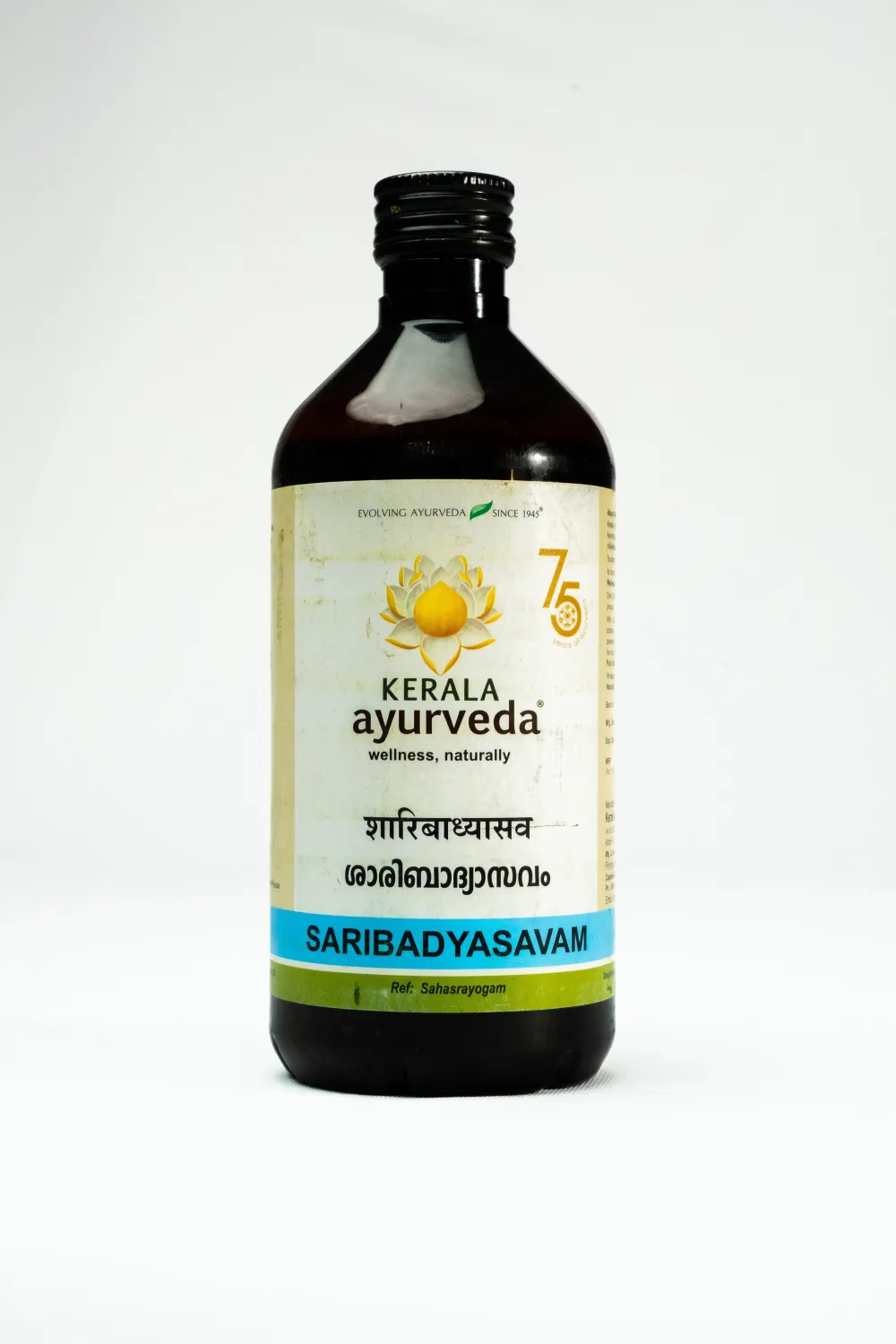
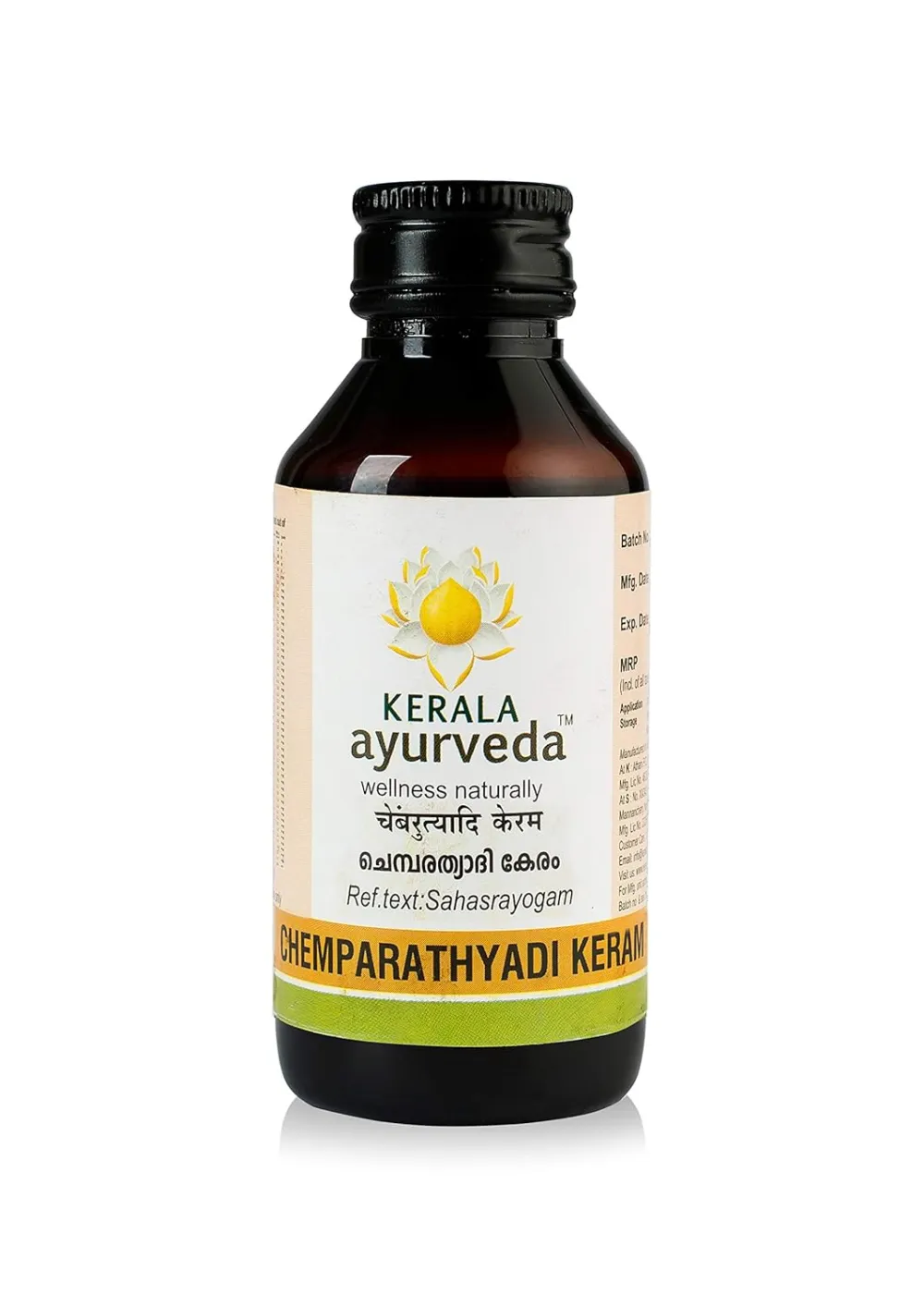
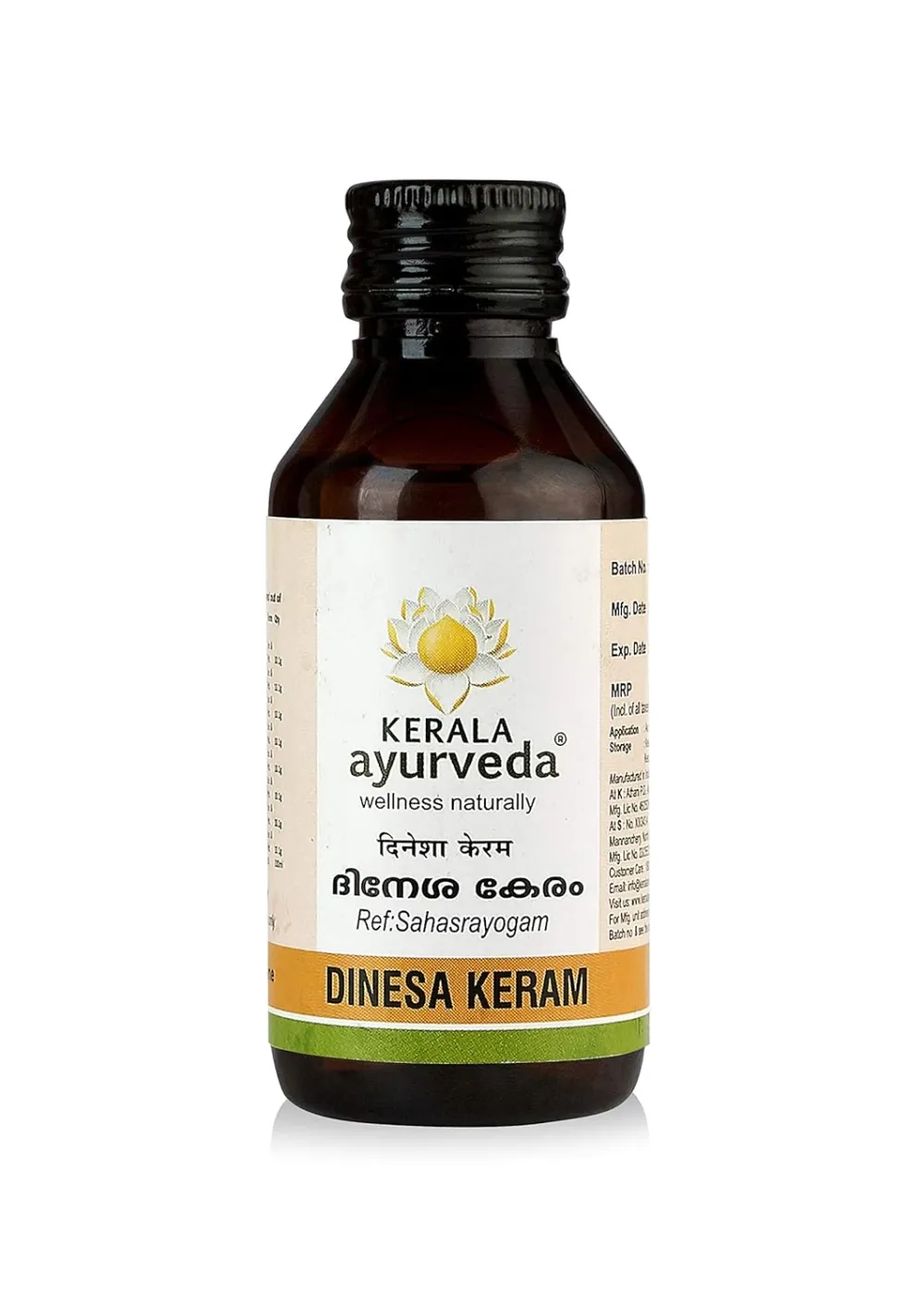
Products often used alongside care
Please take classical medicines only on a physician’s advice.
Please note: The information on this website is for general education and reflects the traditional understanding of Kerala Ayurveda. It is not a diagnosis, a prescription or a promise of any particular result. Every treatment at Athry Ayurvedic Hospital & Wellness Centre is planned individually after an in-person consultation with a qualified Ayurvedic physician (BAMS), and outcomes vary from person to person. Please continue any medicines prescribed by your doctor unless they advise otherwise. Ayurvedic care is not a substitute for emergency, surgical or specialist medical care; if you have a medical emergency, contact your nearest hospital immediately.